Heritage & Roots · Explorers
Who are the Peranakan? Baba-Nyonya and Chitty heritage, explained
By Aevum Editorial · Published · Updated
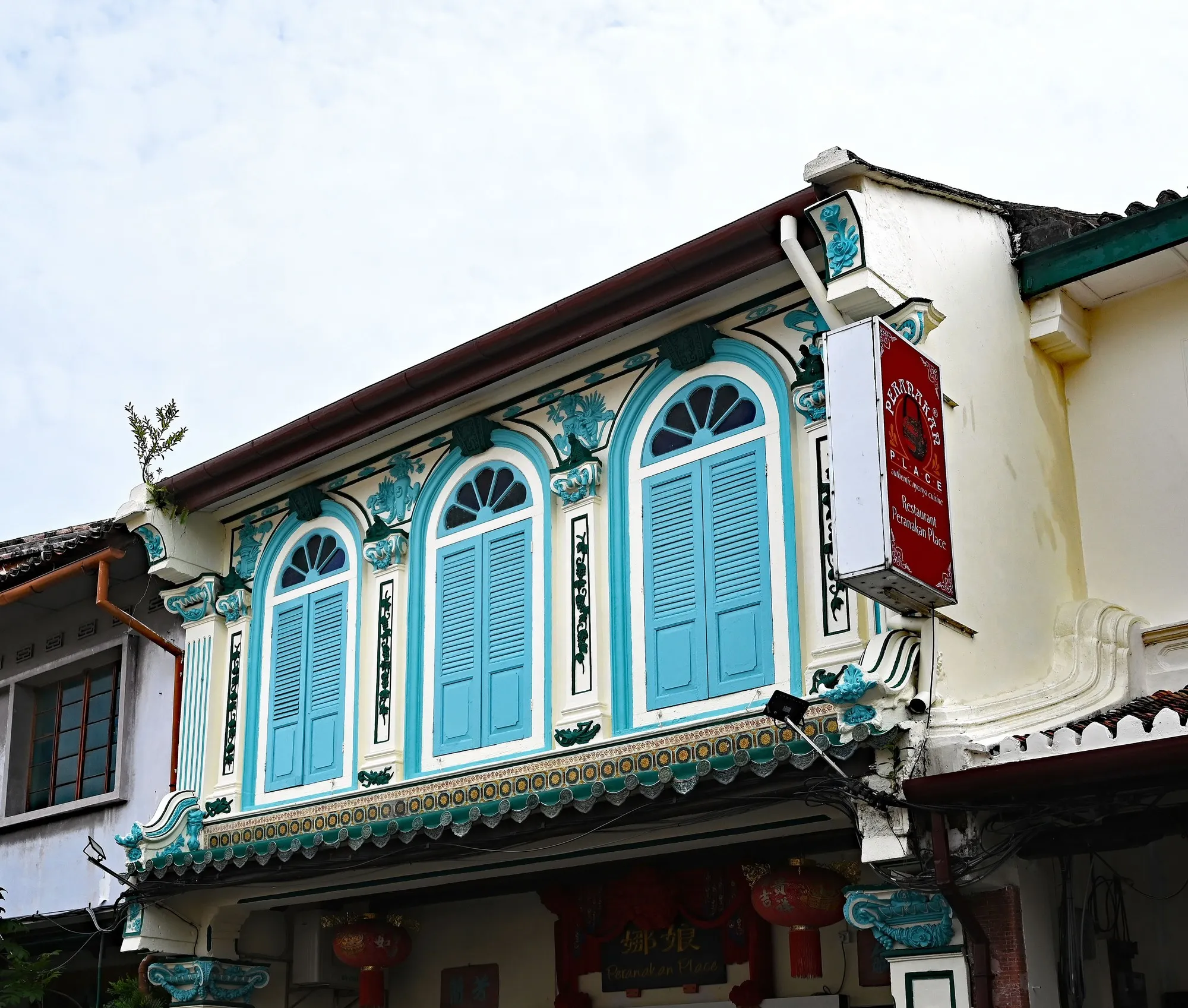
In short: “Peranakan” is a Malay word meaning locally born descendants. In Malaysia it usually means the Peranakan Chinese, or Baba-Nyonya, whose Chinese ancestors settled along the Straits of Melaka and married local women. The word also covers the Chitty, or Peranakan Indians, of Melaka, and the Jawi Peranakan. Their homes, languages and food mix their ancestors’ traditions with Malay culture.
What does “Peranakan” mean?
The word comes from anak, Malay for child. With the prefix per- and the suffix -an, it becomes peranakan, meaning descendant or locally born.
On its own, the word doesn’t name one group. It usually needs a second word to say whose descendants: Peranakan Cina for Chinese, for example. Used alone, though, “the Peranakan” usually refers to the Peranakan Chinese, the Baba-Nyonya.
The Baba-Nyonya: Peranakan Chinese
The Peranakan Chinese descend from Chinese traders who came to the Malay Peninsula from around the 15th to the 17th centuries, including in the days of the Melaka Sultanate. Some married local women, and their children were known as Peranakan or Straits-born.
Baba is an honorific for a Straits-born gentleman and Nyonya for a Straits-born lady. Over time, Baba-Nyonya became the name for the community as a whole.
Melaka was the first centre. Under British rule, some Peranakan families from Melaka moved on and formed new communities in Penang and Singapore.
One community, two ways of speaking
In Melaka, the Peranakan language is Baba Malay. It’s a creole based on Malay, with many borrowed Hokkien and English words.
In Penang, Peranakans speak a variety based on Hokkien, mixed with Malay words and expressions. So the Melaka and Penang communities share a history but sound quite different.
Nyonya food
Nyonya cuisine blends Chinese cooking with Malay herbs and spices. Think chilli, lemongrass, torch ginger buds, candlenuts, tamarind and buah keluak.
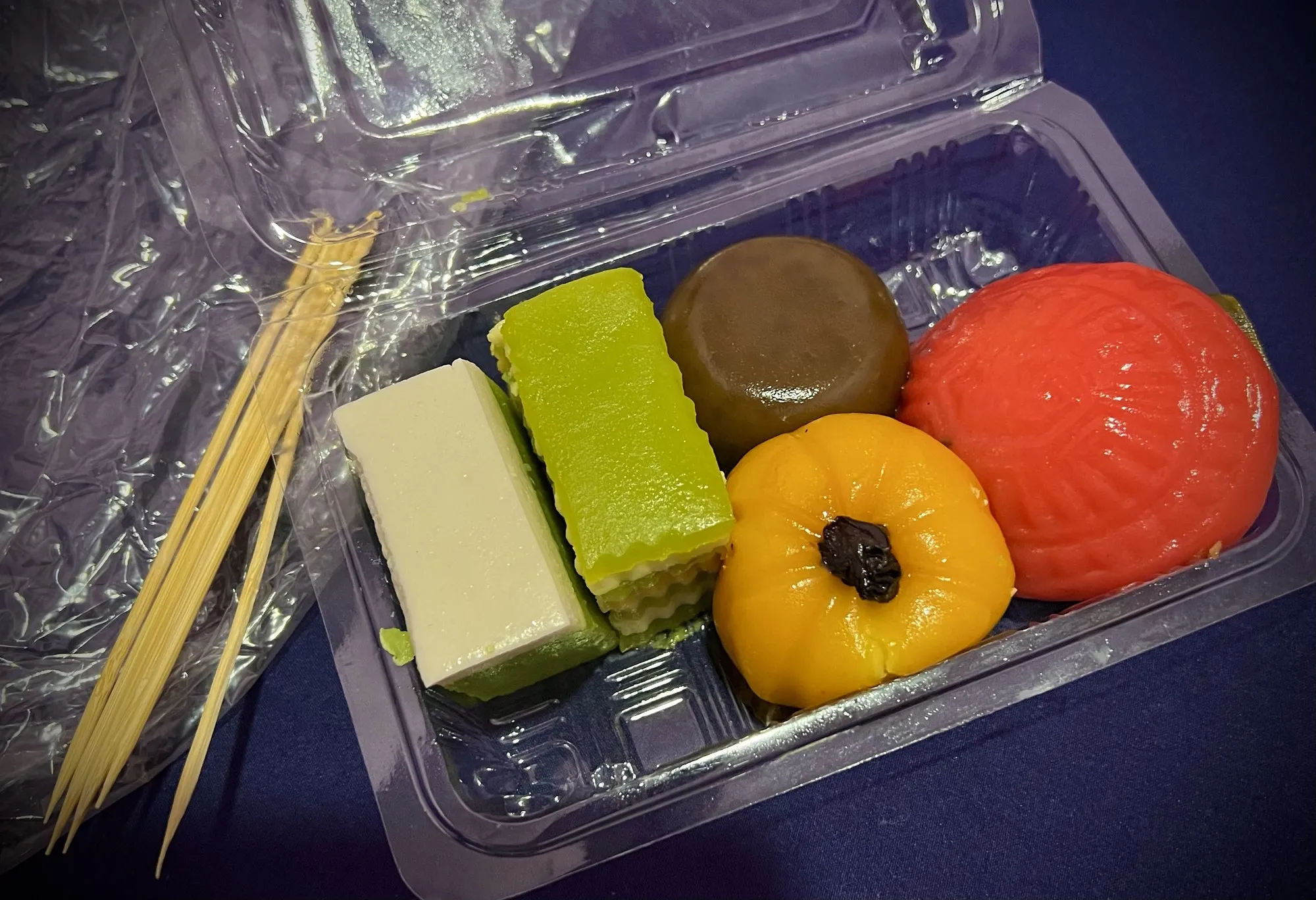
It’s usually said to have begun in Melaka and spread to Penang and Singapore. Each place then took its own path. Melaka’s Nyonya cooking is usually described as closer to Portuguese and Indonesian influences, Penang’s to Thai.
Laksa shows the difference clearly. Penang’s asam laksa is sour and tangy, made with fish broth and tamarind. Melaka’s curry laksa uses coconut milk and tastes sweeter and richer.
A princess, and a legend
Ask about Peranakan origins and you may hear about Hang Li Po. The story goes that a Chinese emperor sent this princess to marry the Sultan of Melaka, and that her followers settled at Bukit Cina and became the first Peranakans.
It’s a romantic tale, but that’s what it is. A leading Malaysian historian said in 2012 that there is no written record she ever existed. Enjoy it as legend, not history.
The Chitty: Peranakan Indians of Melaka
The Chitty, also written Chetti, descend from Tamil traders from the Coromandel Coast of south-eastern India, who settled in Melaka during the Melaka Sultanate and married local Malay and Chinese women.
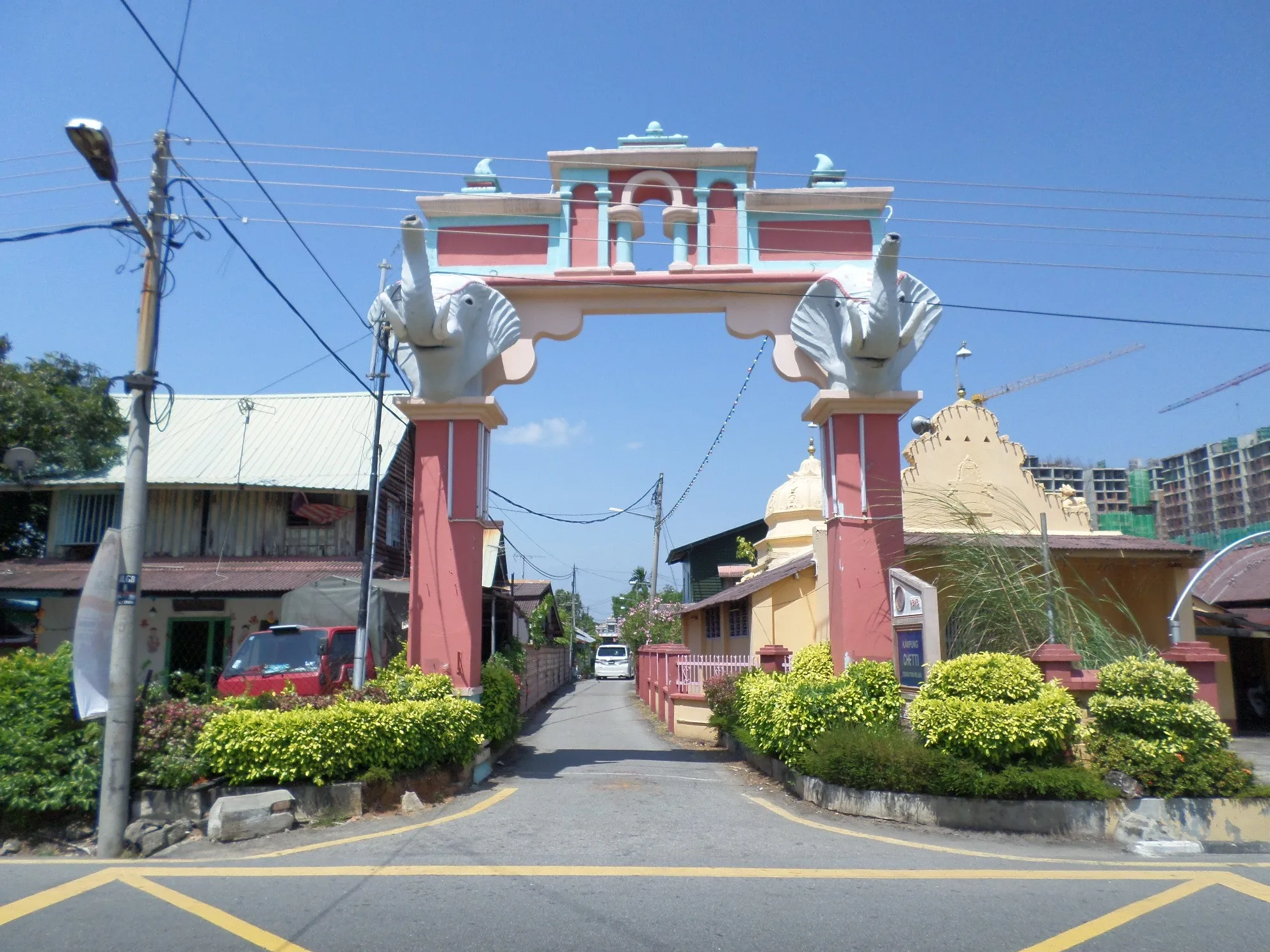
The community came through the Portuguese, Dutch and British periods. They kept the Hindu faith of their ancestors, while their everyday language became a Malay-based creole with Tamil words. They sometimes describe themselves as Peranakan Indians.
Their home is Kampung Chetti, in the Gajah Berang area of Melaka. Many Chitty families regard it as their only known home town. The Sri Poyatha Venayagar Moorthi Temple stands on land granted by the Dutch, and its title deed, dated 20 August 1781, still survives.
Where to see Peranakan heritage
Melaka and George Town were inscribed together on UNESCO’s World Heritage List in 2008, partly for their mix of Malay, Chinese and Indian cultures. They’re good places to start.
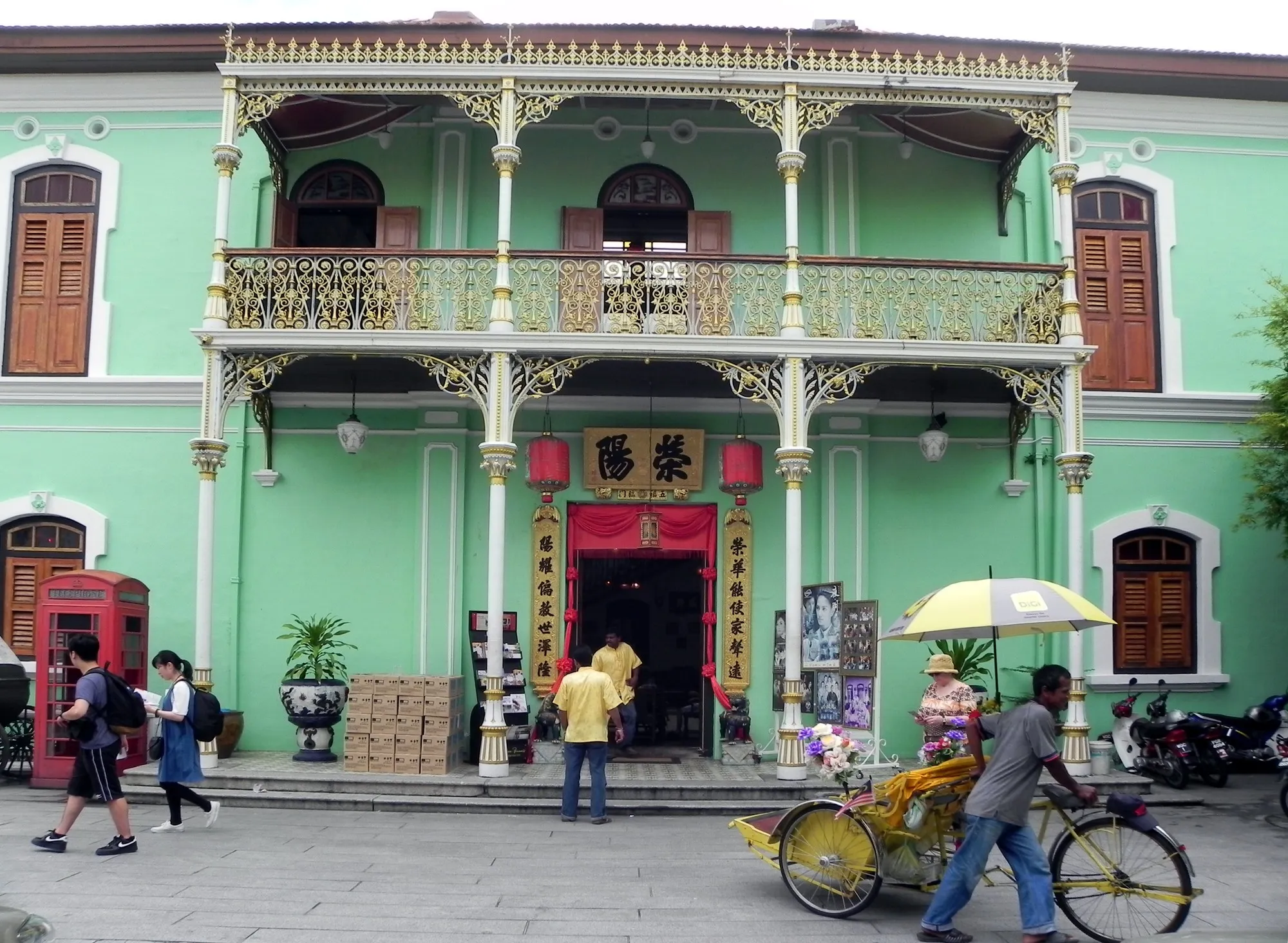
Baba & Nyonya Heritage Museum, Melaka. Three terrace houses on Jalan Tun Tan Cheng Lock, bought by the Chan family in 1861. Four generations lived here before the family opened it as a museum in 1985.
Pinang Peranakan Mansion, George Town. A museum of Penang’s Peranakan heritage, in the former home and office of Chung Keng Quee. He was a 19th-century tin tycoon made Kapitan Cina of Perak, a link to Perak’s tin story.
Kampung Chetti, Melaka. The Chitty heritage village in Gajah Berang. Please remember it’s a living neighbourhood and a place of worship, and visit respectfully.
What is still debated
- When the Peranakan Chinese began. Dates range from the Melaka Sultanate in the 15th century to the 16th or 17th centuries.
- The Hang Li Po story. It’s popular, but no written record supports it.
- Where the Chitty ancestors came from. Several accounts say the Coromandel Coast; one names Panai in Tamil Nadu.
- Who counts as Peranakan. The word is broad, and communities define it in different ways. Official statistics don’t count the Baba as a separate ethnic group.
Have a Peranakan family story to share? Write to us at hi@aevum.my. If you run a heritage venue, claiming a listing is coming soon: see aevum.my/businesses.
Report an error · Something wrong, incomplete or culturally insensitive? Tell us and we aim to review it within 5 working days.
Questions
Who are the Peranakan in Malaysia?
Peranakan means locally born descendants. In Malaysia it usually refers to the Peranakan Chinese, or Baba-Nyonya, descended from Chinese traders who settled and married local women. The word is also used for the Chitty, or Peranakan Indians, of Melaka, and for the Jawi Peranakan. Each community blends its ancestors' culture with local Malay ways.
What does Baba-Nyonya mean?
Baba and Nyonya are the terms for Peranakan Chinese men and women. Baba is an honorific for a Straits-born gentleman and Nyonya for a Straits-born lady. Together, Baba-Nyonya has become a name for the whole community, its culture and its cooking, which is known as Nyonya cuisine.
Who are the Chitty of Melaka?
The Chitty, also written Chetti, are descendants of Tamil traders from India's Coromandel Coast who settled in Melaka during the Melaka Sultanate and married local Malay and Chinese women. They kept the Hindu faith of their ancestors and speak a Malay-based creole with Tamil words. Their home village is Kampung Chetti in Gajah Berang.
Where can you see Peranakan heritage in Malaysia?
Melaka and George Town, both on UNESCO's World Heritage List since 2008, are the main places. In Melaka, the Baba & Nyonya Heritage Museum is a family home on Jalan Tun Tan Cheng Lock. In George Town, the Pinang Peranakan Mansion fills a tin tycoon's former mansion. Kampung Chetti is in Melaka too.
Sources
UNESCO World Heritage Centre, “Melaka and George Town, Historic Cities of the Straits of Malacca”; Journal of Ethnic Foods (2019); Tan Chee Beng, The Baba of Melaka (1988), via its 1990 review in Archipel; Baba & Nyonya Heritage Museum; Roots.gov.sg (National Heritage Board, Singapore), “Chetti Melaka”; Melaka Chetti community website; The Star (2012); Areca Books (2013); Wikipedia, “Peranakans”, “Chitty” and “Pinang Peranakan Mansion” (cross-check only).