Gastronomy · Explorers
Why is Ipoh so famous for food?
By Aevum Editorial · Published · Updated
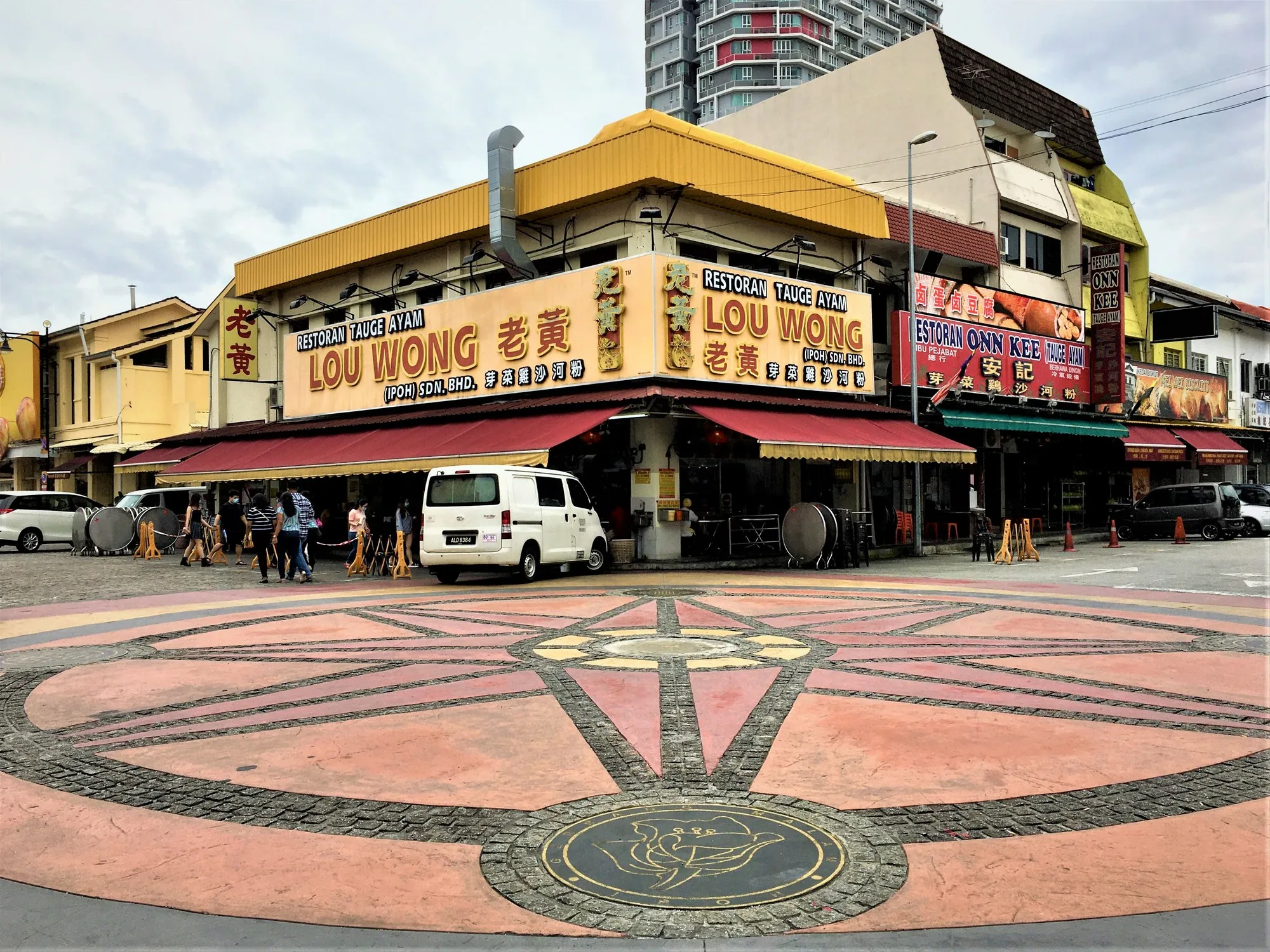
In short: Ipoh’s food reputation grew out of tin. From the late 1800s, the Kinta Valley tin field drew migrants from southern China, many of them Cantonese and Hakka, and the town grew up around them. Their home cooking, the coffee shops they ran and local produce, above all Ipoh’s short, crunchy bean sprouts, became the city’s food identity. Some of the stories told about that food, like the limestone water, are local tradition rather than tested fact.
The short answer
Ipoh is a food town because of who came to live here, and why.
It grew fast as the centre of a tin-mining district. The people who came for the mines brought their regional cooking with them, and it adapted to what grew locally. More than a century later, those dishes are what many visitors come for.
How tin built a food town
The story starts in the Kinta Valley, in Perak. Kinta was the country’s main tin-bearing district, and Ipoh was the town that grew up to serve it, long described by historians as the centre of Malayan tin mining. By 1895 it was the largest town in Perak and the second largest in the Federated Malay States.
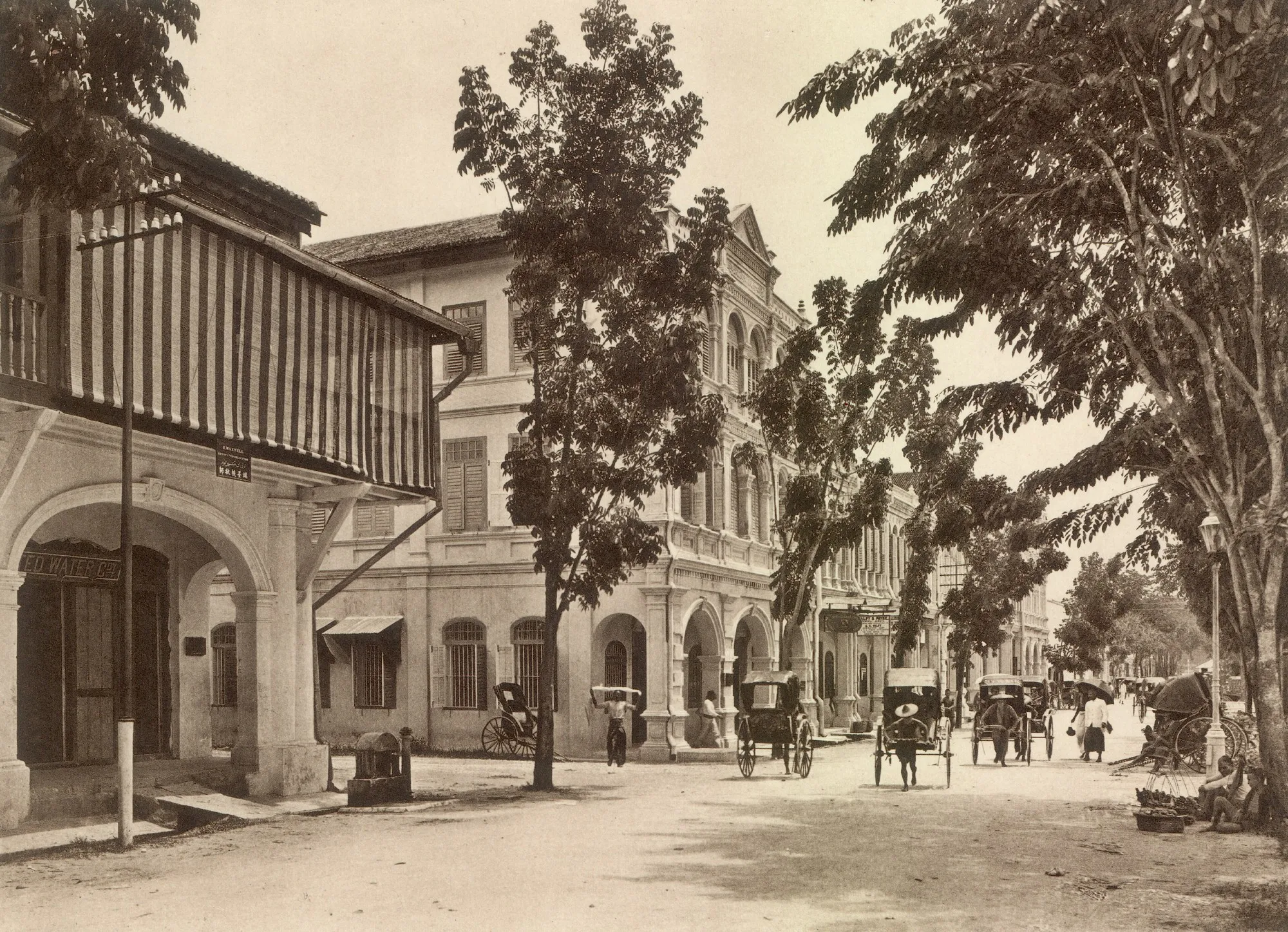
Mining needed hands, and many came from southern China. The richest deposits are said to have been found in Kinta in the 1870s. Across the tin fields of the Malay States, Hakka men are described working the mines while Hakka women panned for ore as dulang washers. Cantonese migrants came in large numbers too.
You can still taste both groups on the table. Dim sum, egg tarts and Ipoh-style chee cheong fun are usually traced to Cantonese cooking. Hakka mee, salt-baked chicken and stuffed tofu dishes are traced to Hakka kitchens.
Other communities shaped the menu as well. Hainanese migrants ran many of Ipoh’s coffee shops (kopitiam), which became part of daily life and gave the city its white coffee. Ipoh is also home to Malay and Indian communities. Indian Muslim (mamak) stalls and the Little India in Old Town are often described as part of its everyday food life.
Bean sprouts and the limestone belief
Ipoh’s bean sprouts are the heart of its food identity. They arrive blanched, short and plump, dressed simply with soy sauce and oil.
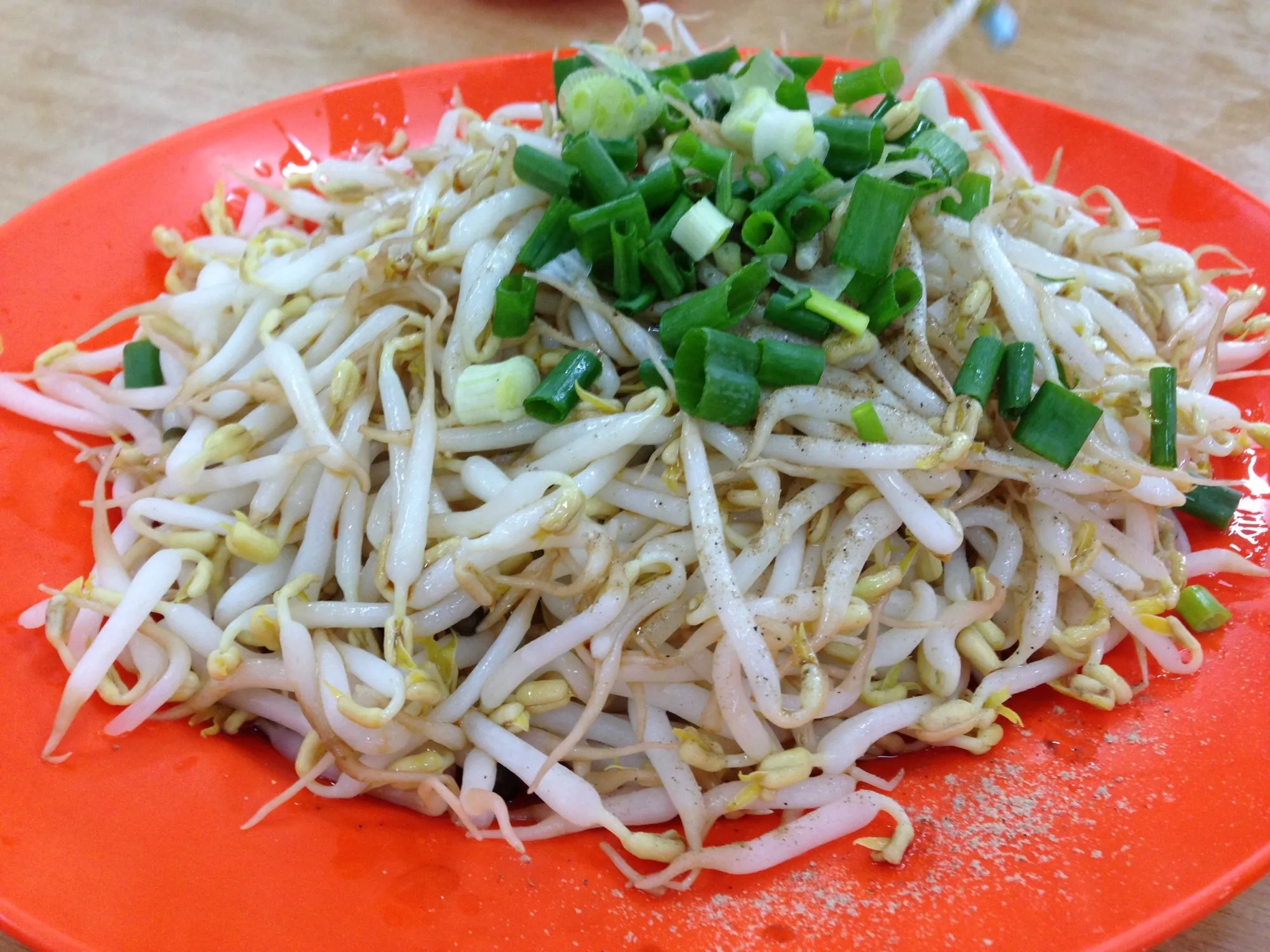
Pair them with poached chicken and a bowl of flat rice noodles in broth, or rice, and you have nga choy kai, Cantonese for bean sprout chicken. Look out for the two plates: chicken on one, sprouts on the other.
Why are the sprouts different? Ask around and most people will say the water. Growers on the edge of the city say they use mineral-rich groundwater from the surrounding limestone hills, and the same explanation has been repeated in the press for years, sometimes called local lore. No published scientific test of the link seems to exist, so treat it as a strongly held local tradition. Growers also point to careful technique: watering on a strict schedule and controlling temperature.
How the dish came together is less settled, and there are two versions. One story goes that Cantonese hawkers selling chicken-and-rice-noodle soup began adding bean sprouts as a cheap side dish. Another sees it as a local take on Hainanese chicken rice. Either way, it’s the plate of local sprouts that makes it Ipoh’s own.
Coffee shops as the city’s dining room
Ipoh’s kopitiam matter as much as any single dish. Shared tables, several hawkers under one roof and coffee with condensed milk: this is how many people first meet Ipoh food.
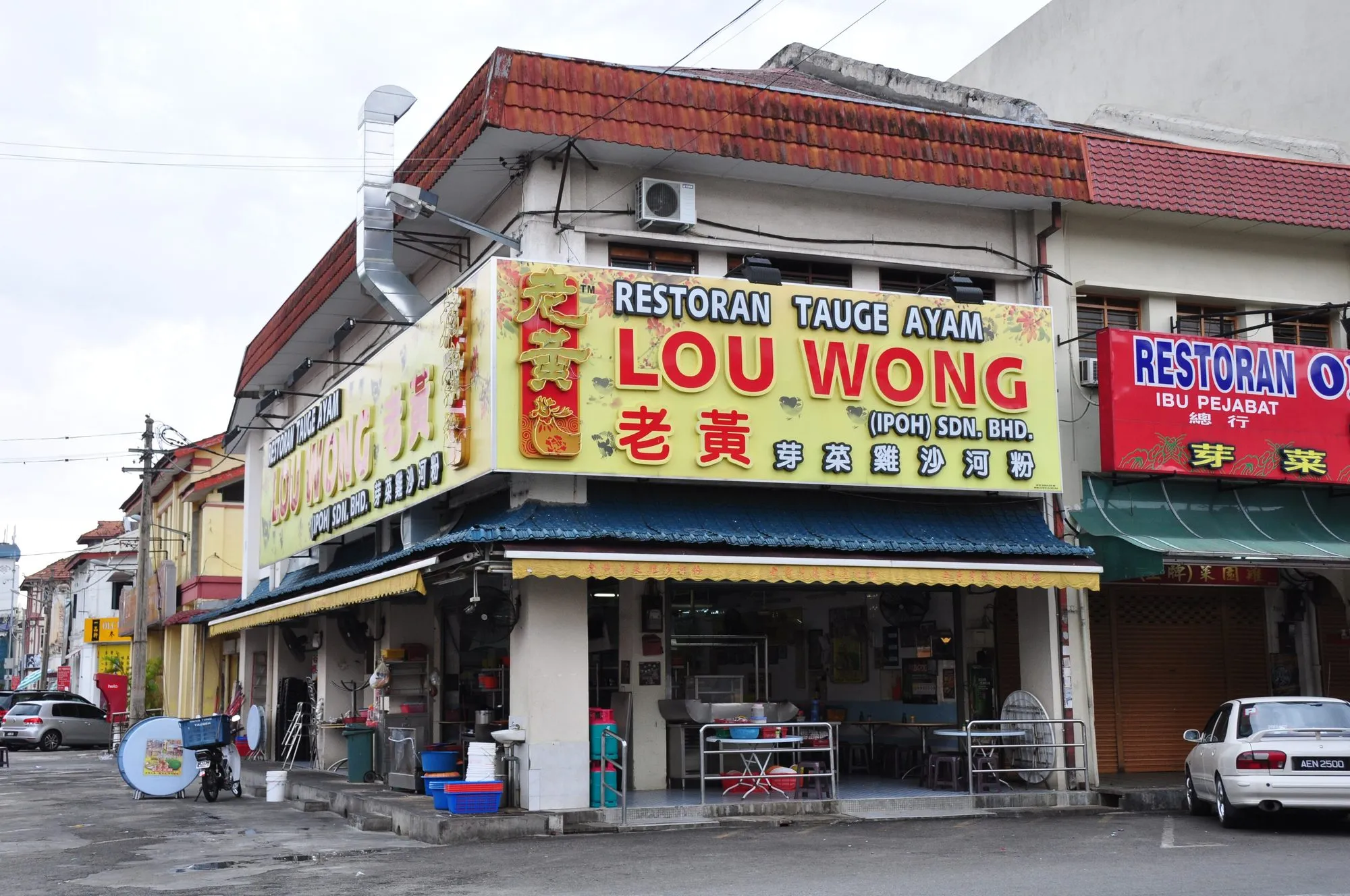
The city’s white coffee, roasted with margarine and usually served with condensed milk, came out of this culture. Our post on Ipoh white coffee tells the whole story.
Why it still draws people
Ipoh’s food still revolves around small, specialised stalls and family businesses, some run by the same family for generations.
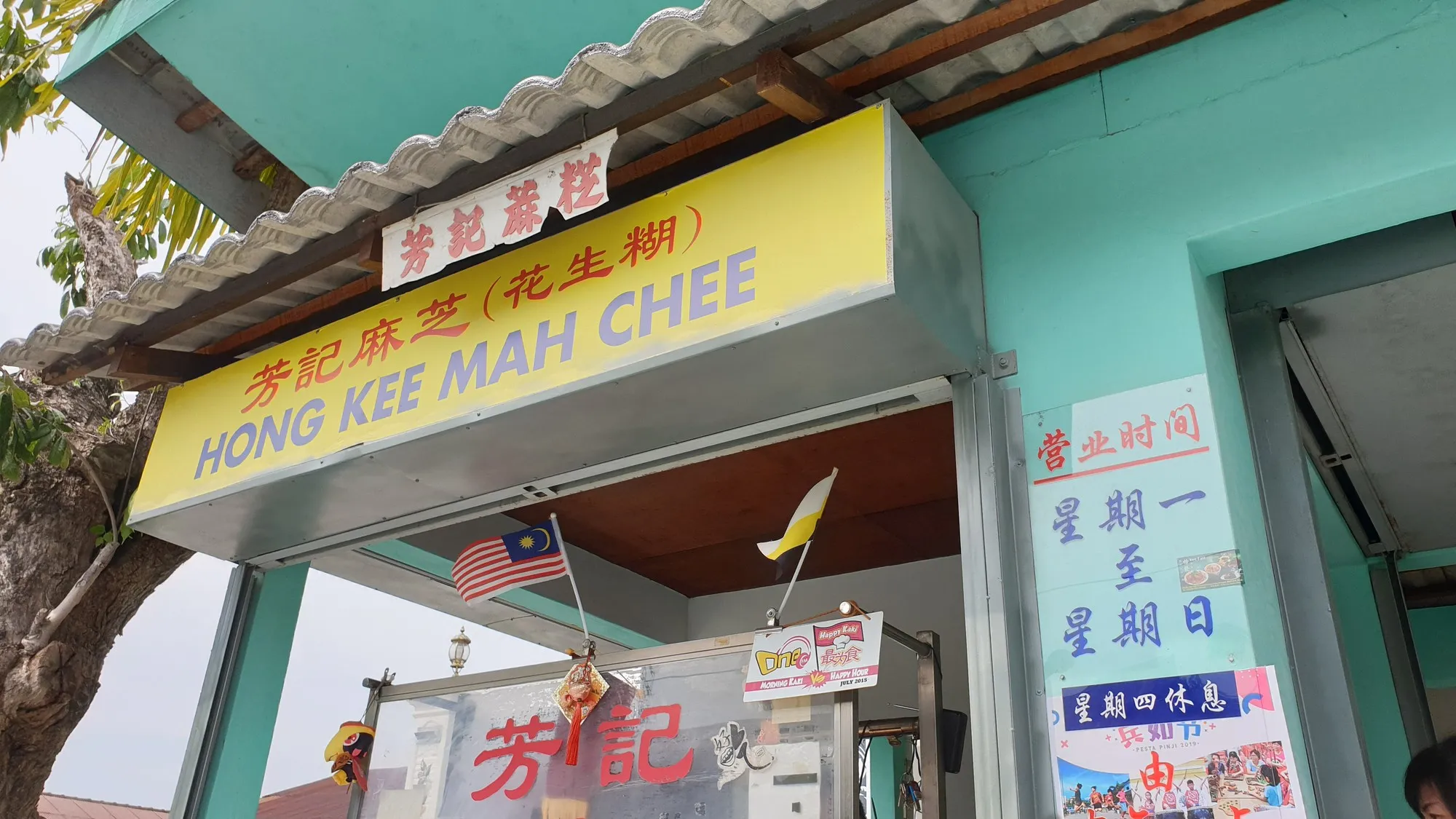
Many domestic visitors are said to come mainly to eat, sometimes on a day trip between Kuala Lumpur and Penang. That tells you how closely the city’s identity is now tied to its food.
What is still debated
- Who first made bean sprout chicken: Cantonese noodle stalls or Hainanese chicken rice? The stories differ.
- Whether limestone water really changes the sprouts: widely believed, never scientifically tested.
- Where Ipoh white coffee began: several coffee shops claim it. See our white coffee post.
If you have a family story about an Ipoh dish, we would like to hear it: hi@aevum.my.
Report an error · Something wrong, incomplete or culturally insensitive? Tell us and we aim to review it within 5 working days.
Questions
Why is Ipoh known for food?
Ipoh grew quickly as the main town of the Kinta Valley tin field in the late 1800s. Migrants arrived from southern China, many of them Cantonese and Hakka, along with Indian and Malay communities. Their cooking, their coffee shops and local produce such as bean sprouts gave the city the food identity it is known for today.
What is Ipoh bean sprout chicken?
Ipoh bean sprout chicken, or nga choy kai in Cantonese, is poached chicken served with a separate plate of short, plump bean sprouts dressed with soy sauce and oil. It usually comes with flat rice noodles in broth or with rice. Accounts of how the dish first came together differ.
Is it true that limestone water makes Ipoh bean sprouts different?
It is a widely held local belief. Growers and residents say that groundwater from the limestone hills around the Kinta Valley makes the sprouts crunchier and plumper. The idea is widely repeated, but no published scientific test seems to link the water to the texture, so treat it as local tradition.
Is Ipoh food only Chinese food?
No. Many of Ipoh's signature dishes come from Chinese cooking traditions, but the city is also home to Malay and Indian communities. Indian Muslim (mamak) stalls and the Little India in Old Town are often described as part of its everyday food life.
Sources
Ipoh City Council (MBI), “Info Ipoh”; N. R. Jackson, Journal of Southeast Asian History (1963); Phin-Keong Voon, Malaysian Journal of Chinese Studies (2024); J. M. Pladdet, Wageningen University MSc thesis (2019); Bernama via Malay Mail (2025); The Star (2011); The Guardian (2017); Sin Chew Daily (2010); Wen Wei Po (2007); Nanyang Siang Pau / eNanyang (2025).