Heritage & Roots · Explorers
Concubine Lane (Lorong Panglima): the story behind the name
By Aevum Editorial · Published · Updated
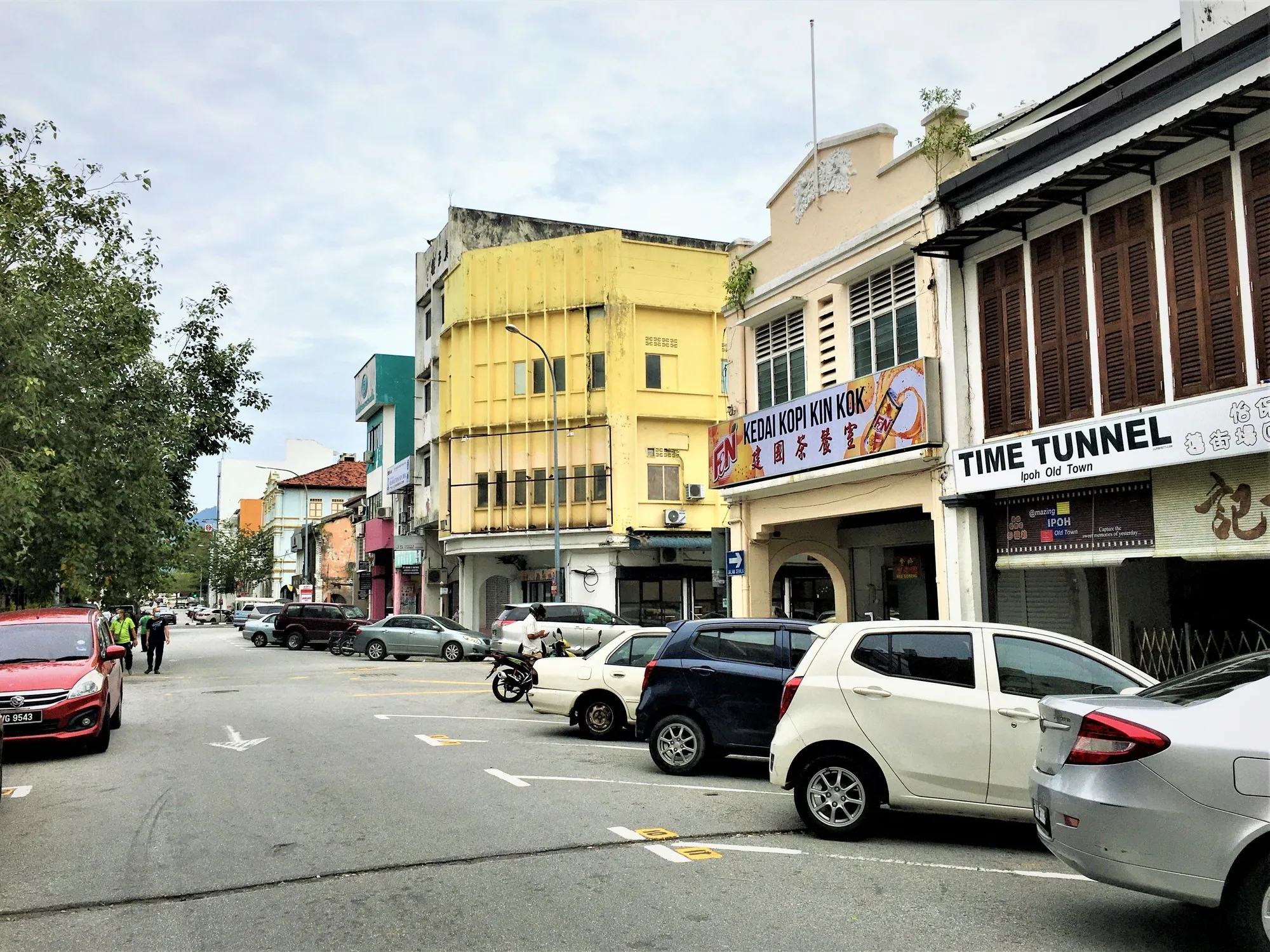
In short: Concubine Lane is the popular name for Lorong Panglima, a narrow lane of shophouses in Ipoh Old Town. Two stories explain the name. The more widely repeated one says wealthy men of the tin era kept mistresses there. The other, told by the family of the tin magnate Yau Tet Shin, says he gave the lane’s rental shophouses to his second wife, and the Cantonese name 二奶巷 (“second wife’s lane”) came from her. Both are traditions. Neither is settled by published records.
Why is it called Concubine Lane?
There’s no single answer, because the name has two competing origin stories.
Both tie the lane to the wealth of Ipoh’s tin-mining years. Both centre on women connected to rich men. The difference is whether those women were mistresses or wives.
Story one: the tycoons’ mistresses
This is the version you’ll hear most often. It goes that Concubine Lane is where tin tycoons once kept their mistresses. Some tellings add that the area was known for gambling and opium. The lane’s Heritage Trail plaque, as it’s been quoted, says some tenants were “concubines of local residents”.
It’s a colourful story, and it’s told widely. But no published historical record, such as a court case, a census entry or a contemporary newspaper report, seems to document it in detail. Read it as popular tradition.
Story two: a magnate’s gift to his wives
The second story comes from Yau Tet Shin’s family. His grandson has called the lane’s reputation as a hideaway for kept women “purely a misunderstanding”.
As the family and the Perak Kayin (Jiaying) Association tell it, Yau gave the shophouses on three lanes to his first, second and third wives. Each wife became the landlord of her lane and collected the rent.
In Cantonese, 二奶 (yi nai) is a colloquial term for a man’s second wife, and the family says that is where the Chinese name 二奶巷 comes from. They also stress that each of Yau’s wives was formally married.
On this telling, Lorong Panglima was the second wife’s lane. Hale Lane was the first wife’s, known in Chinese as 大奶巷 (“Wife Lane”). Market Lane was the third wife’s, 三奶巷. In English, Market Lane is sometimes, confusingly, called “Second Concubine Lane”.
The family story has gaps of its own. Accounts disagree on how many wives Yau had: three in the plaque text quoted online, eight according to his grandson. One local writer has also questioned whether today’s “Wife Lane” sits on the original site.
Who was Yau Tet Shin?
Yau Tet Shin (1859–1915) was a Hakka from Guangdong province in southern China. He came to Malaya as a young man and rose through tin mining to become one of Ipoh’s leading businessmen.
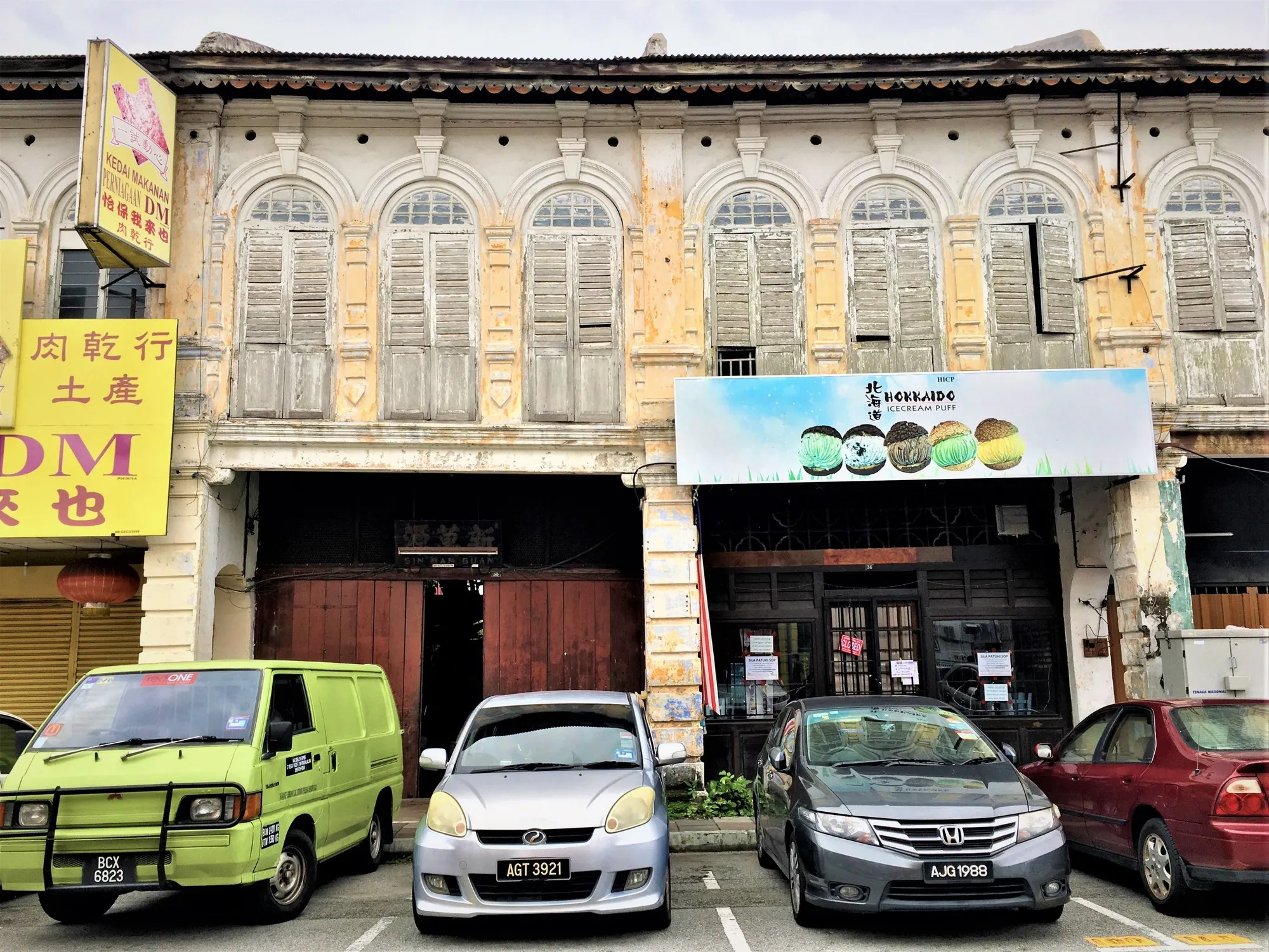
He’s credited with developing much of Ipoh New Town, across the Kinta River from Old Town, in the early 1900s. He built shophouses there, along with a theatre and a public market. The town is recorded spreading across the river to form New Town between 1905 and 1914. A New Town street, Jalan Yau Tet Shin, carries his name.
He was a community leader too, and is said to have co-founded the Perak Kayin Association in 1900.
A lane rebuilt after fire
The lane’s buildings belong to Ipoh’s rebuilding after the town fire of 1892, when brick shophouses replaced older timber and attap buildings. In 1893, more than half of the town’s attap houses were replaced by brick.
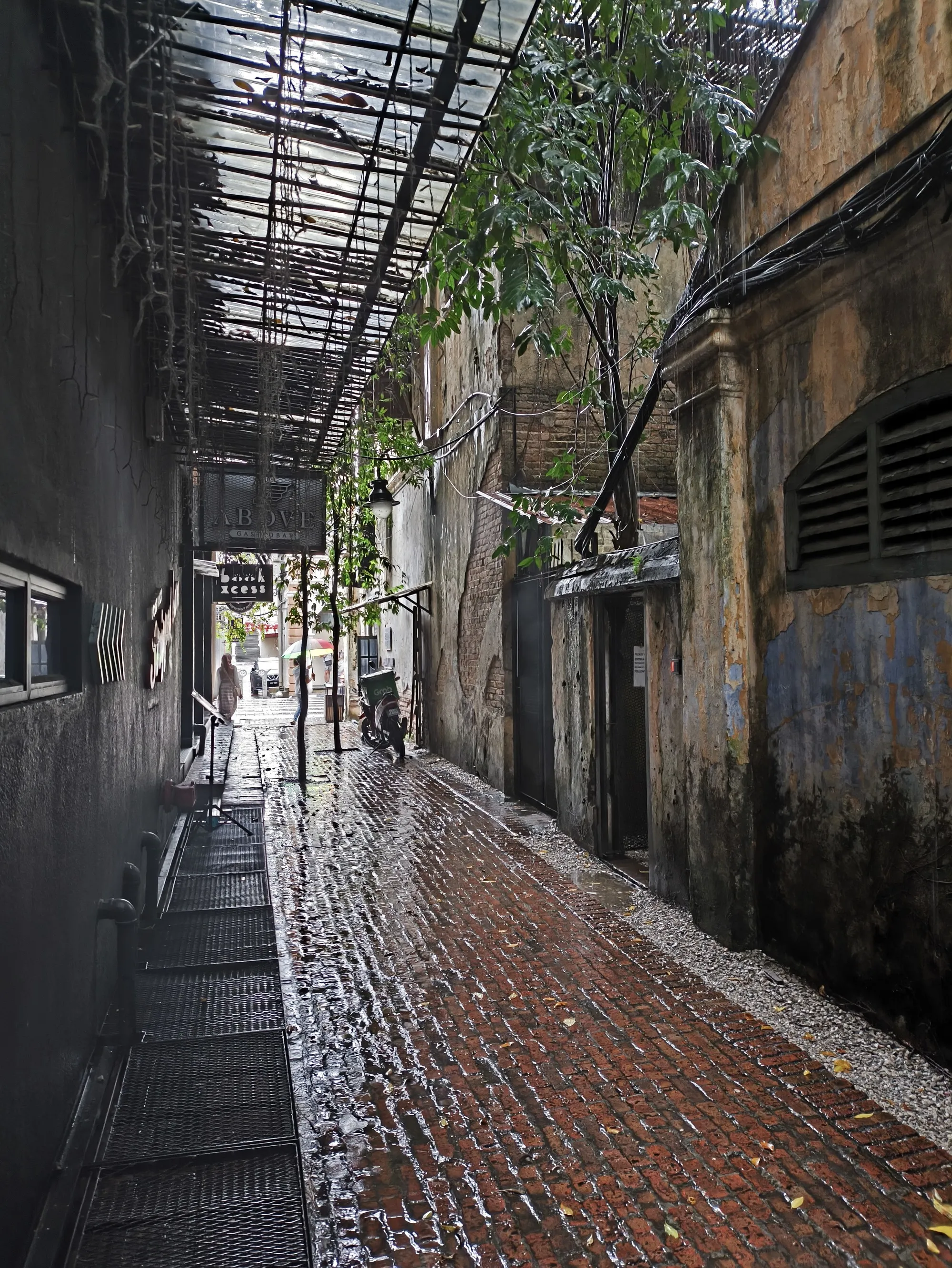
When was the lane itself built? The Chinese street signs give 1908 for Lorong Panglima, while the signs for Hale Lane and Market Lane are said to show 1894. No official record confirms either date.
As you walk through, notice the familiar pattern of the period: narrow, deep, two-storey units with shops below and living space above.
From decline to revival
Residents began moving out in the late 1980s, and parts of the lane collapsed in 2010 and 2011. Private investors then bought and restored many units.
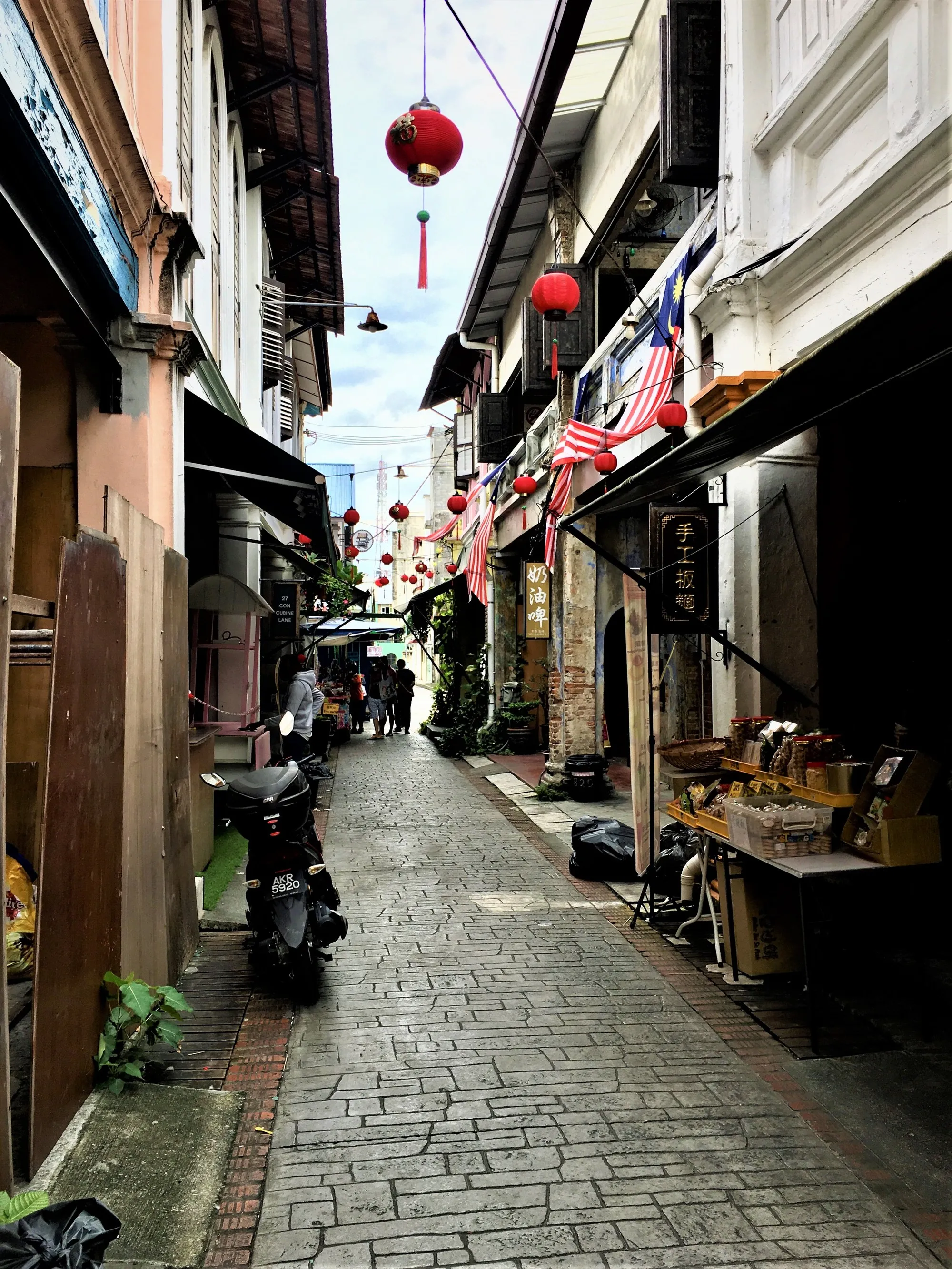
The lane’s last long-time resident has credited the restorations, Ernest Zacharevic’s murals in Old Town and new Chinese-language street signs with bringing visitors back. Today the lane is lined with cafés, food stalls and souvenir shops.
What we still don’t know
- Whether property records confirm that Yau Tet Shin’s wives owned and let out the shophouses.
- How many wives Yau had, and which lane went to which wife.
- The exact construction dates of each lane.
If you hold family papers or photographs connected to these lanes, we would like to hear from you: hi@aevum.my.
Report an error · Something wrong, incomplete or culturally insensitive? Tell us and we aim to review it within 5 working days.
Questions
Why is it called Concubine Lane?
Two stories are told. The popular one says wealthy tin-era men kept mistresses in the lane. The other, told by descendants of the tin magnate Yau Tet Shin, says he gave the lane's shophouses to his second wife to collect rent, and the Cantonese name 二奶巷 (second wife's lane) followed. Neither is backed by published records.
What is the official name of Concubine Lane?
Concubine Lane is Lorong Panglima, a narrow lane of two-storey shophouses in Ipoh Old Town. In Chinese it is known as 二奶巷. Two nearby lanes are linked to the same story: Hale Lane, known in Chinese as 大奶巷 or Wife Lane, and Market Lane, 三奶巷, sometimes called Second Concubine Lane in English.
Who was Yau Tet Shin?
Yau Tet Shin (1859–1915) was a Hakka tin miner and businessman from Guangdong who became one of Ipoh's leading figures. He is credited with developing much of Ipoh New Town across the Kinta River in the early 1900s, including shophouses, a theatre and a public market. A New Town street, Jalan Yau Tet Shin, bears his name.
How old is Concubine Lane?
Its shophouses date from Ipoh's rebuilding after the town fire of 1892. The Chinese street signs give 1908 for Lorong Panglima, while the signs for neighbouring Hale Lane and Market Lane are said to show 1894. No official heritage record confirms these dates.
Sources
Sin Chew Daily (2015, 2019); Oriental Daily (2015, 2024); Phin-Keong Voon, Malaysian Journal of Chinese Studies (2024); Ipoh City Council (MBI), “Info Ipoh”; Bernama via Malay Mail and The Star (2024); Free Malaysia Today (2019); Citizens Journal (2022); britishmalaya.home.blog (2019, quoting the Heritage Trail plaque); 旅讀Or via udn (2024).