Heritage & Roots · Historic mansion
Kellie's Castle
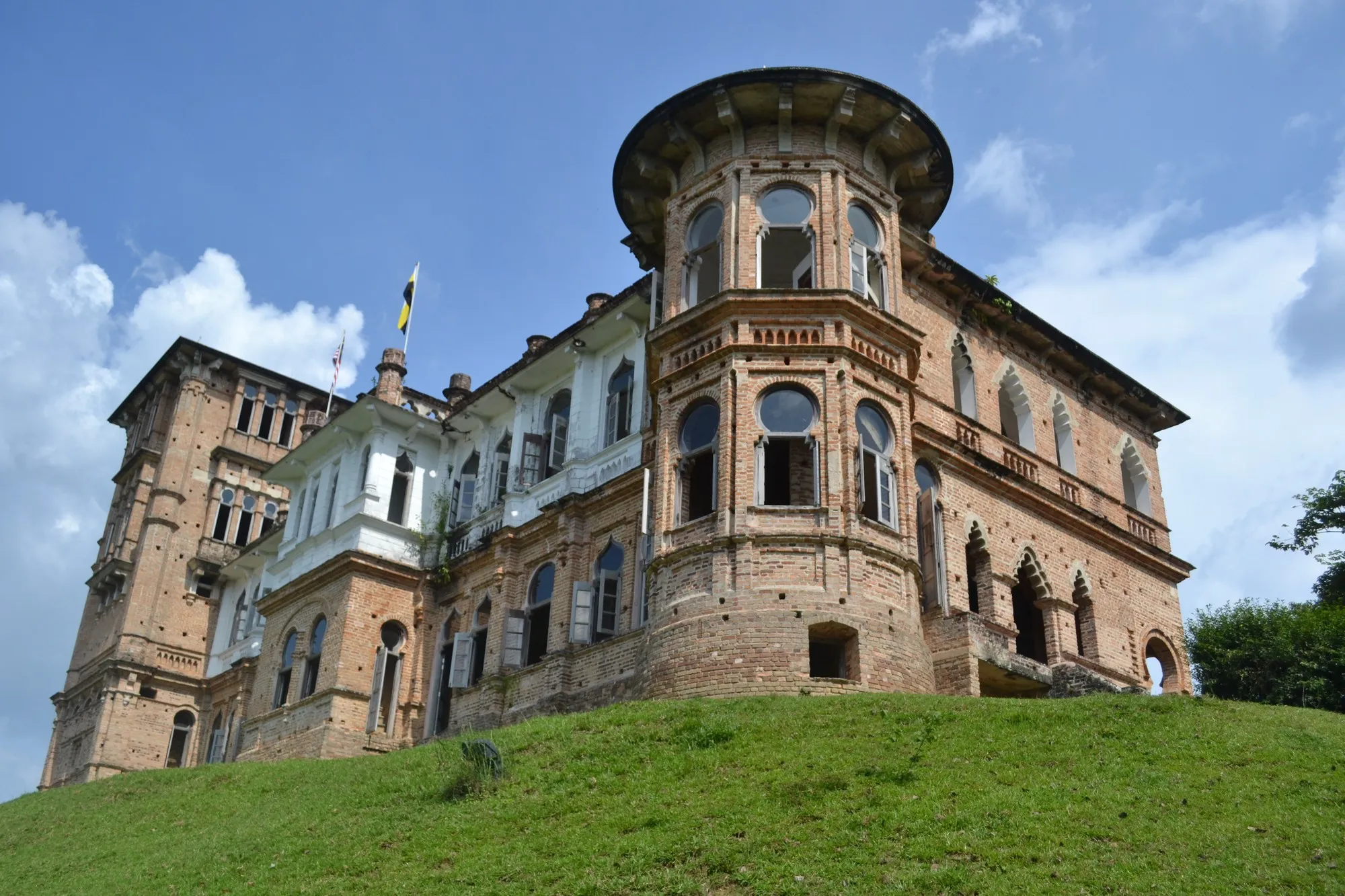
In short: Kellie's Castle is the unfinished mansion of William Kellie Smith, a Scottish planter who grew rich from rubber in the Kinta Valley. He began it after his son was born in 1915, beside an earlier family home in Batu Gajah, south of Ipoh. Work stopped for good when he died in Lisbon in 1926.
A castle for a son
William Kellie Smith came to Malaya from Scotland in 1890, planted rubber and grew rich. His estate was called Kinta Kellas. Before the castle came Kellas House, a brick and stone home built around 1909–1910, whose ruins still stand next door. The birth of his son Anthony in 1915 seems to have spurred a far bigger project: a second mansion right beside the first.
What was planned
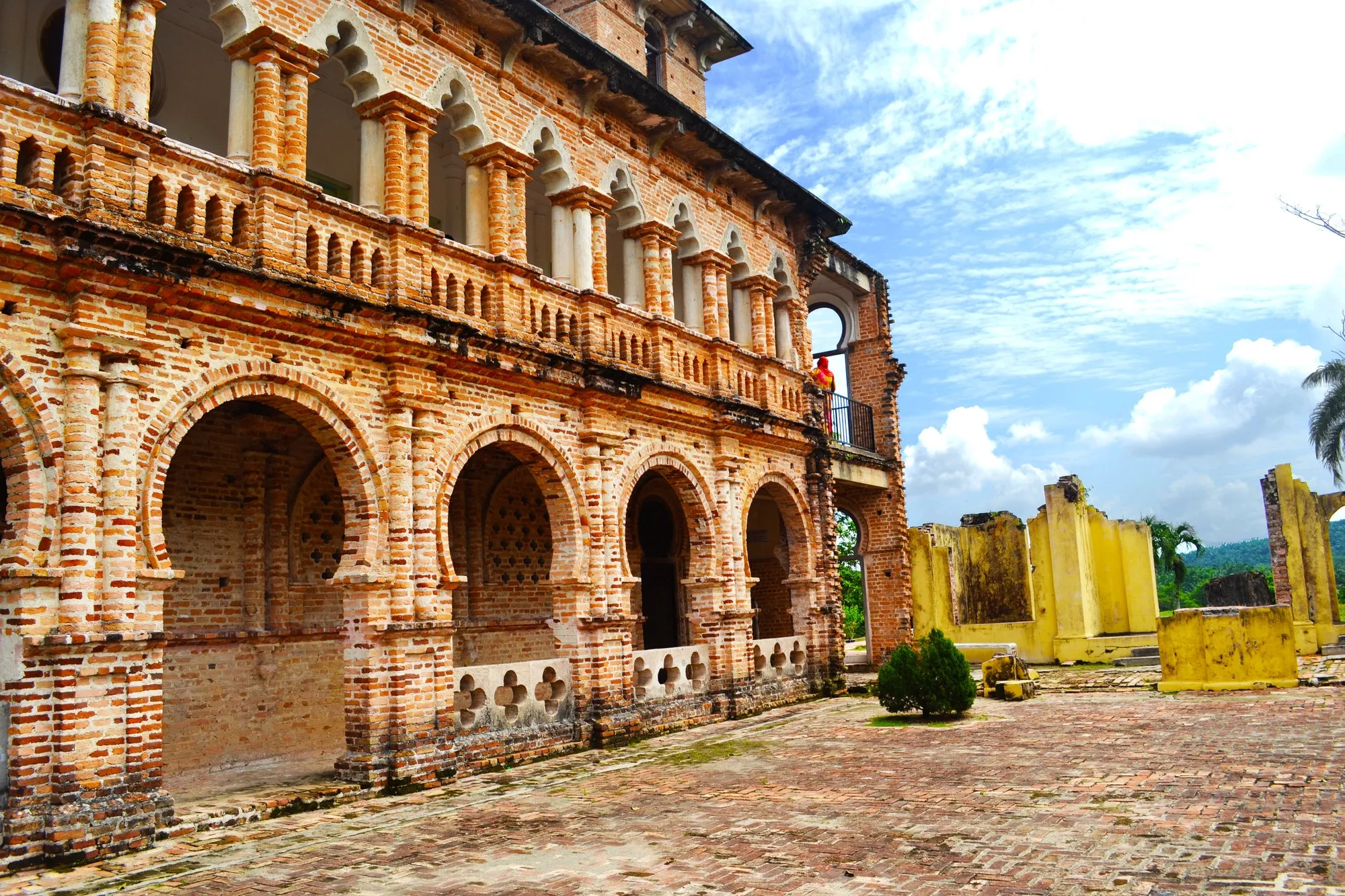
Around 70 craftsmen came from Madras, and bricks and marble were imported from India. The design mixed Moorish, Indo-Saracenic and Roman styles. The plans included 14 rooms, a wine cellar, hidden stairways, a rooftop courtyard and a lift that would have been Malaya’s first. You can still see the shaft.
Why it stopped
The 1918 flu killed many of the estate’s workers, and the Sri Maha Mariamman Temple nearby is linked to that time. Work went on, but in 1926 Kellie Smith died of pneumonia in Lisbon, and the castle was left unfinished. It is also known as “Kellie’s Folly”, and ghost stories grew around the empty shell.
Visiting
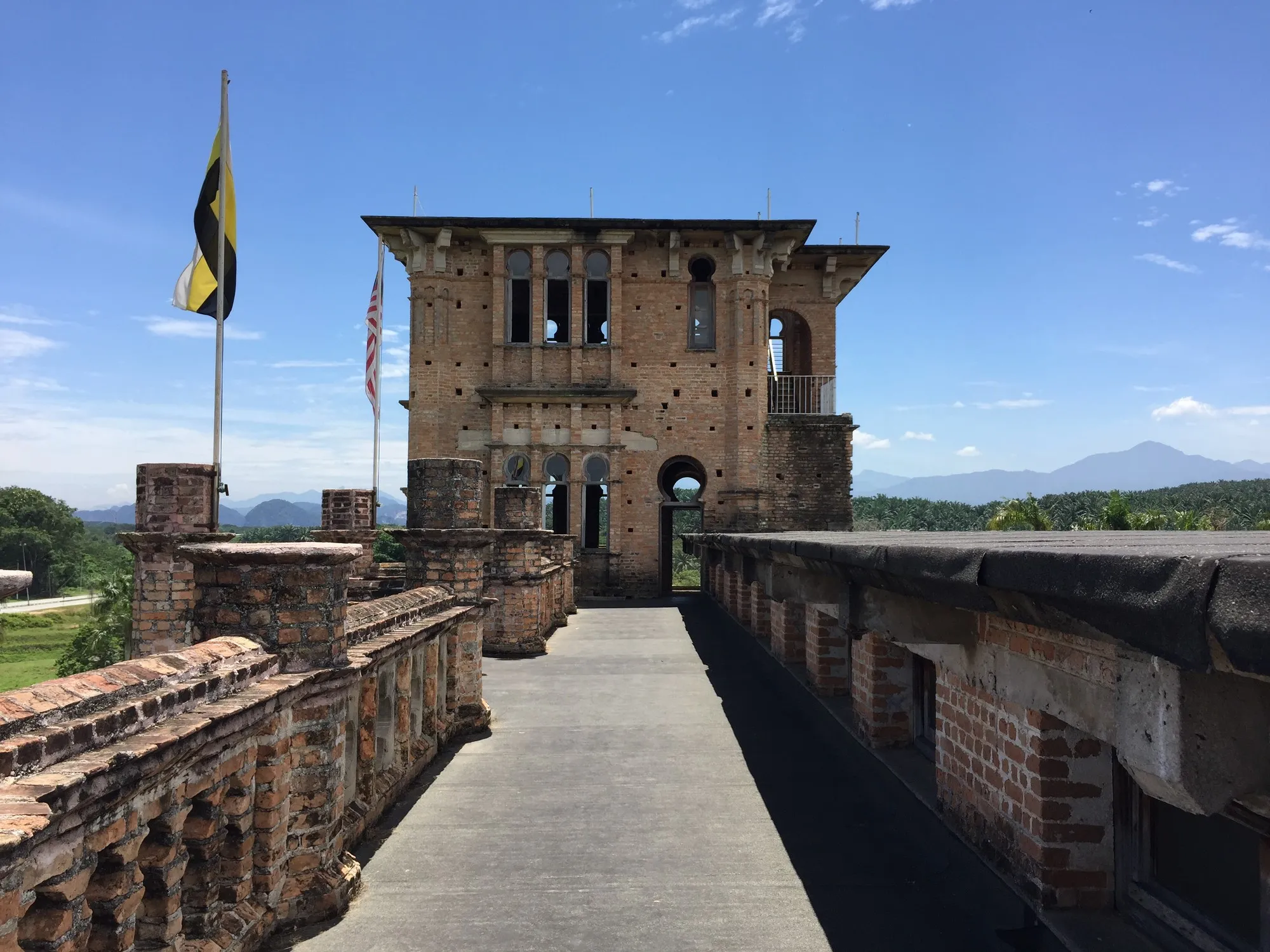
The site is run as a tourism complex; check current visiting details before you go. The rooftop looks out over the old estate, and the ruins of Kellas House stand next door. Read the full story of Kellie’s Castle.
Photos
Questions
Why was Kellie's Castle never finished?
William Kellie Smith died of pneumonia in Lisbon on 11 December 1926, and building stopped. His wife Agnes never returned to Malaya and sold her interest in the estate, and the new owners had no use for a half-built palace.
Where is Kellie's Castle?
On Jalan Gopeng in Batu Gajah, south of Ipoh, on the old Kinta Kellas estate. It is now run as a tourism complex; check current visiting details before you go.
Facts on this page come from Aevum's researched stories, which list their sources. Details can change, so check before you travel. Sources: Tourism Malaysia, "Kellie's Castle"; Majlis Daerah Batu Gajah, "Kellie's Castle"; Free Malaysia Today (2020, 2022); The Star (2022, 2025); Wikipedia, "Kellie's Castle" and "凯利古堡" (cross-check only).
Report an error · Something wrong, incomplete or culturally insensitive? Tell us and we aim to review it within 5 working days.
Read the full story
More places in Ipoh
Landmarks and living heritage on the Aevum map of Ipoh.
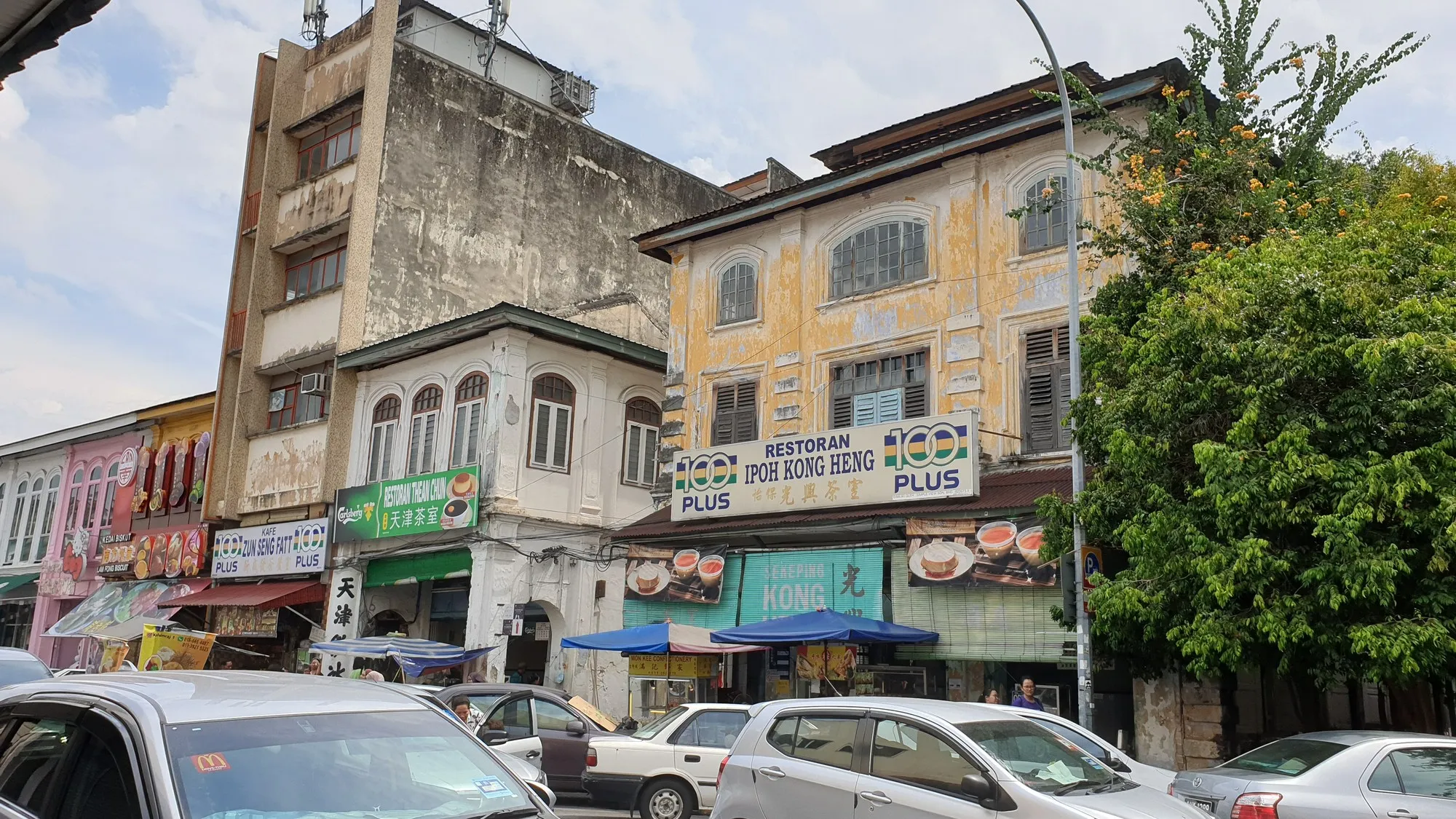
- Gastronomy Kong Heng
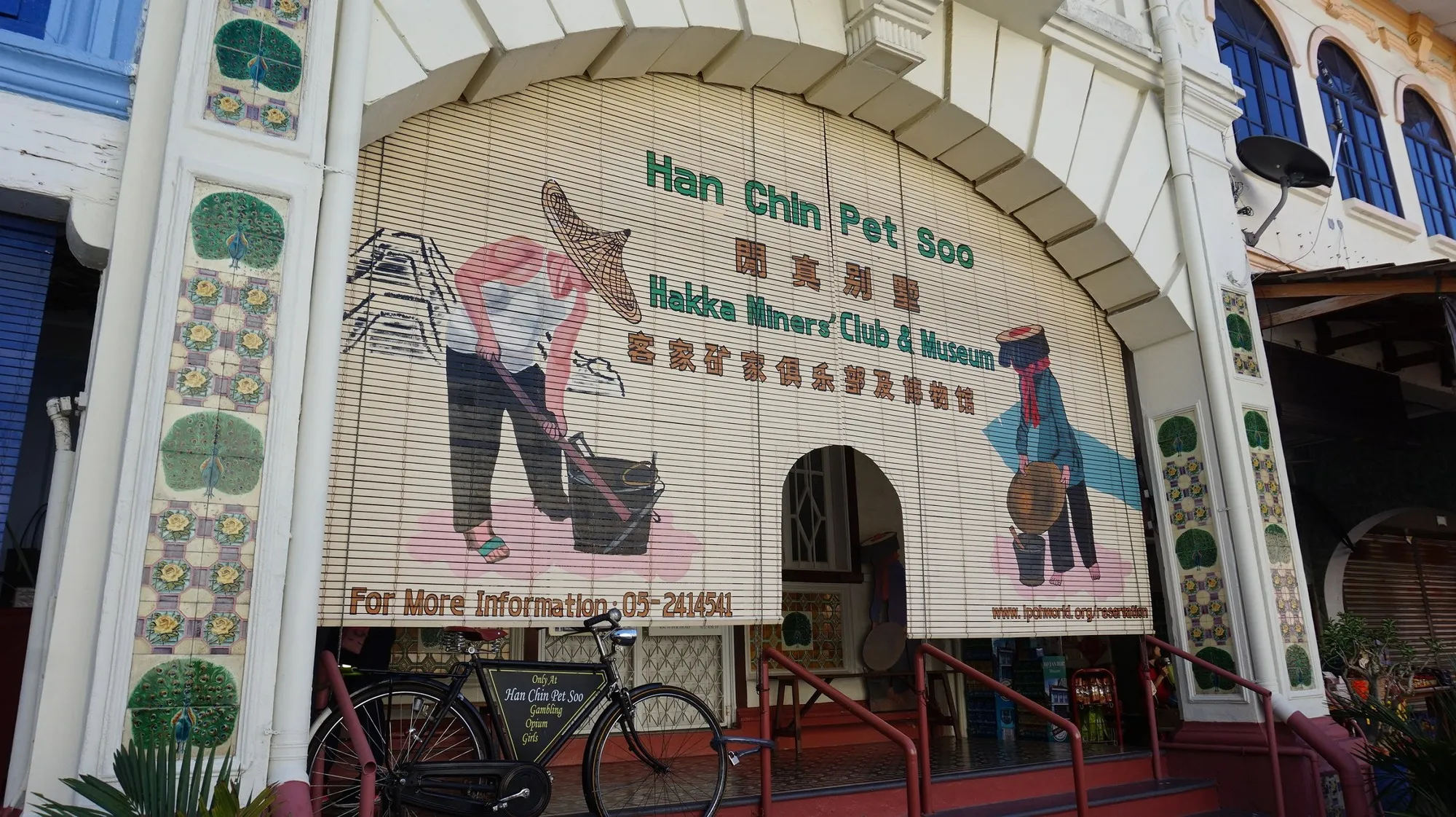
- Heritage & Roots Han Chin Pet Soo
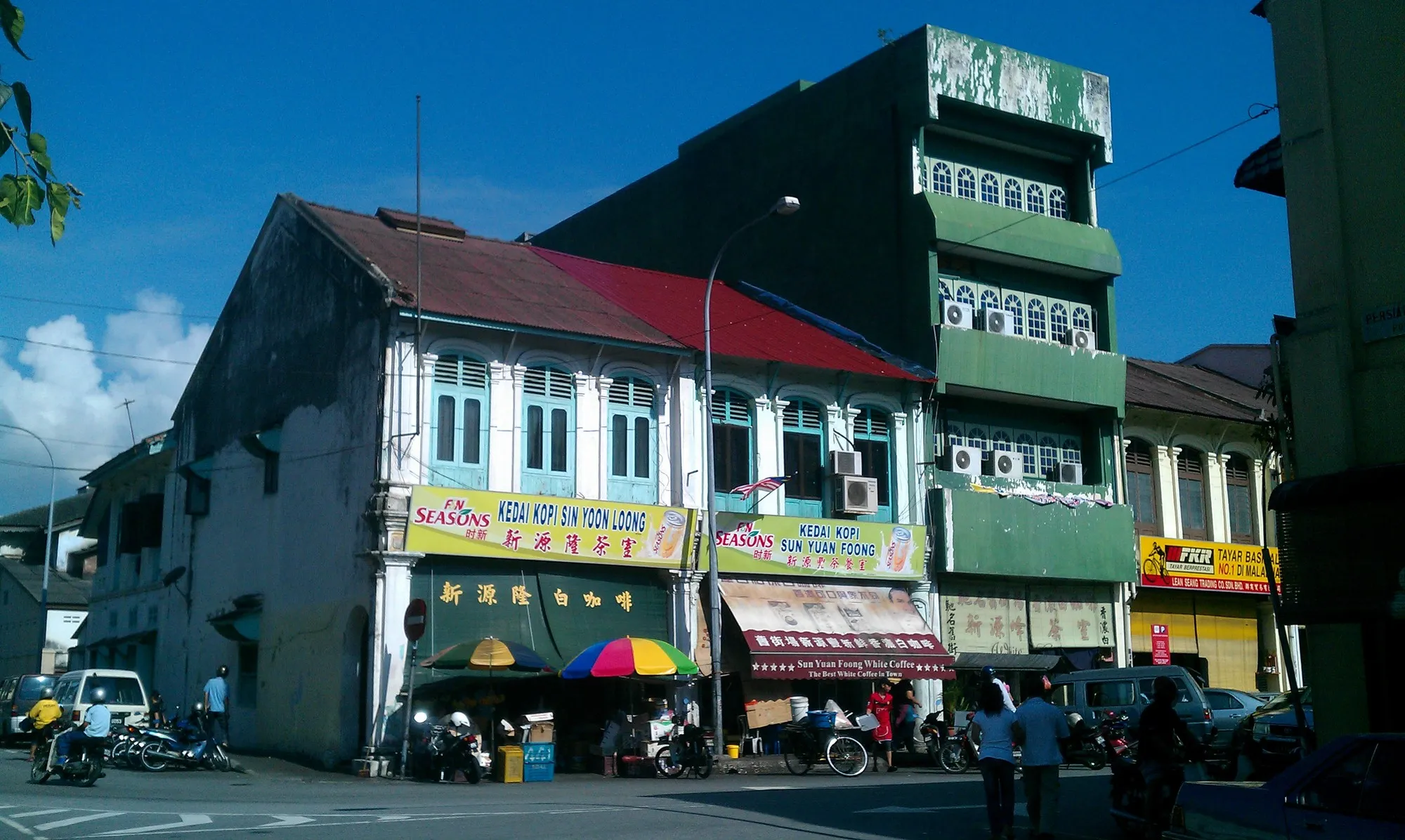
- Gastronomy Sin Yoon Loong
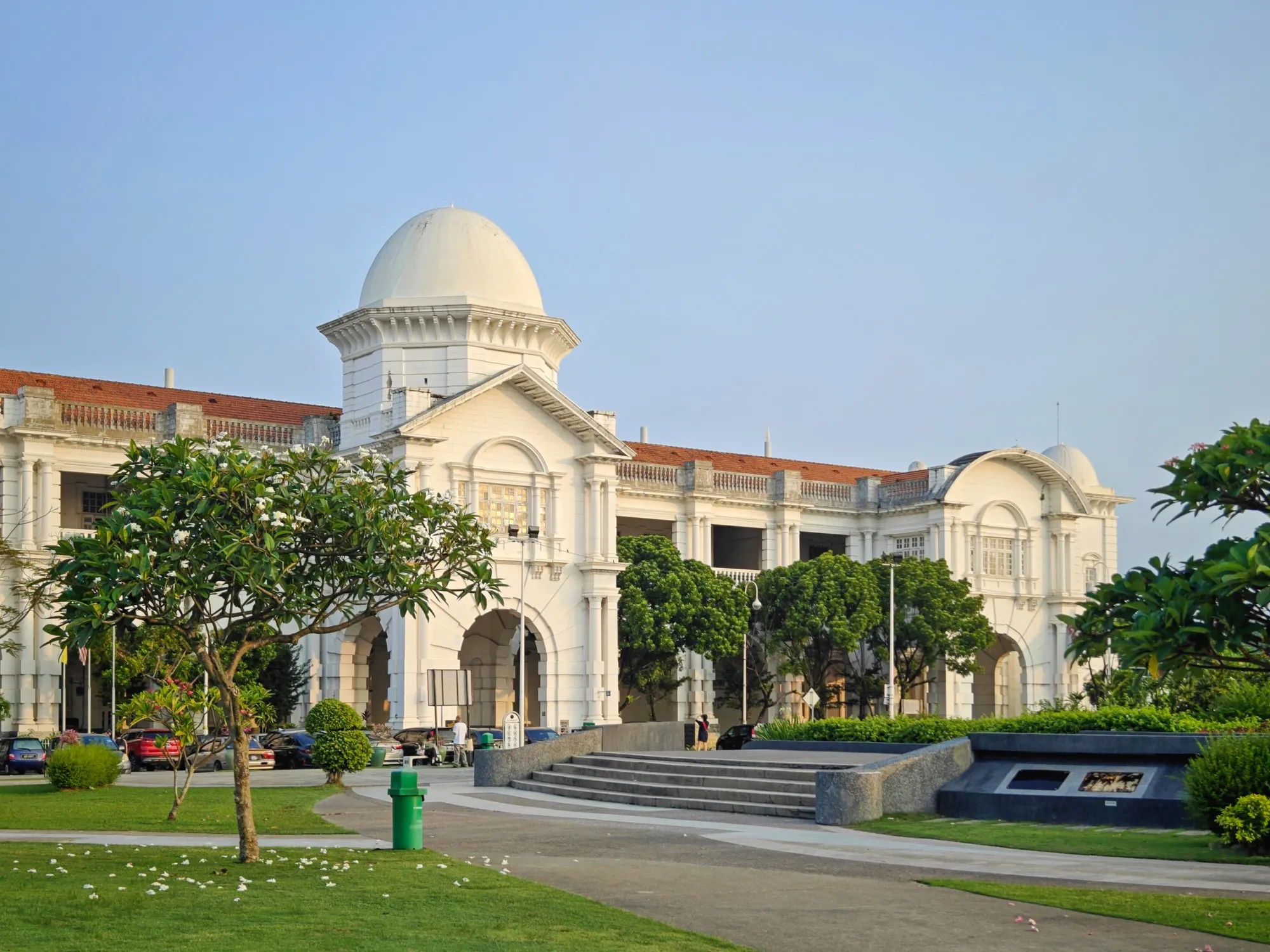
- Heritage & Roots Ipoh Railway Station
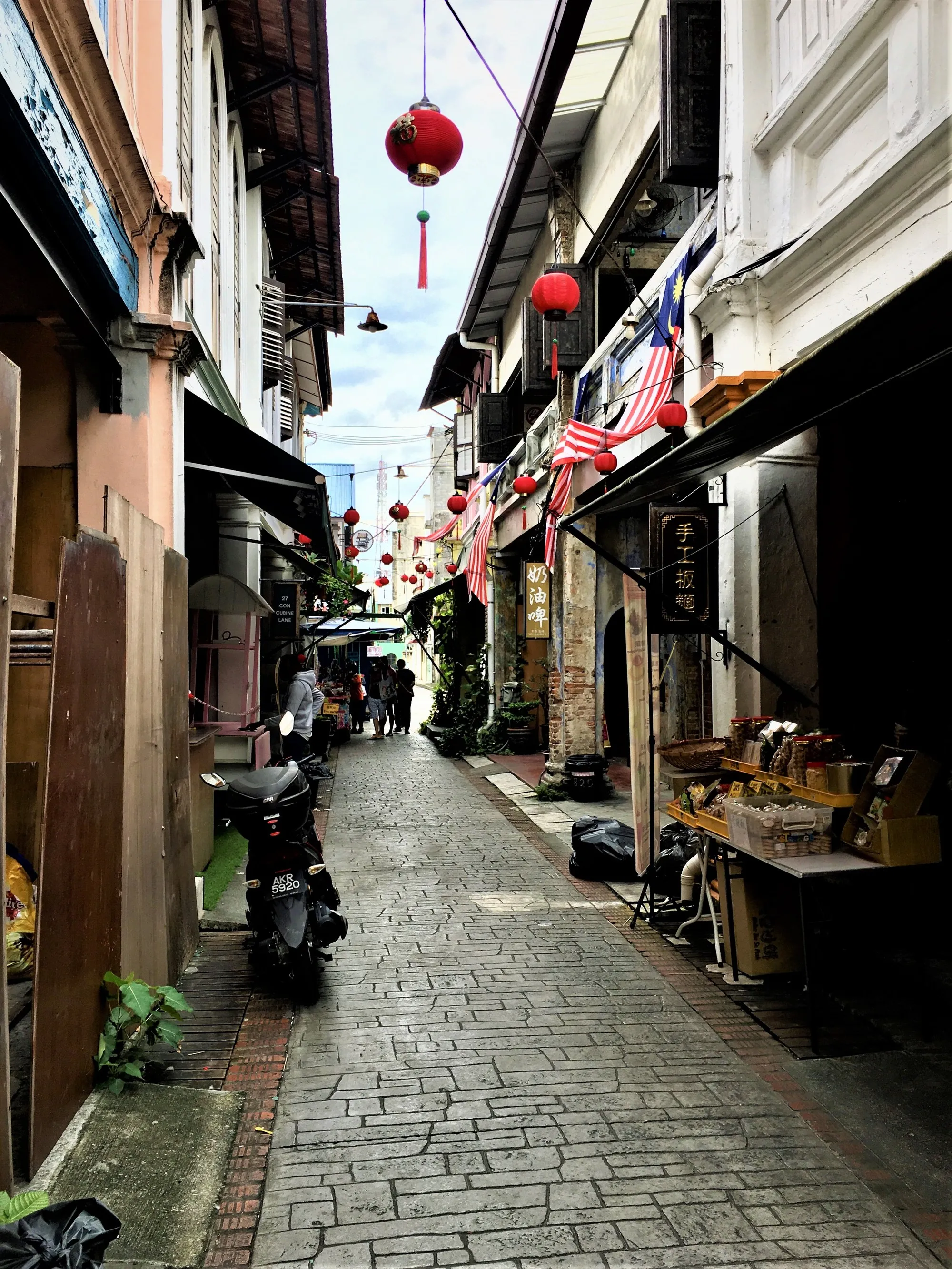
- Heritage & Roots Concubine Lane (Lorong Panglima)
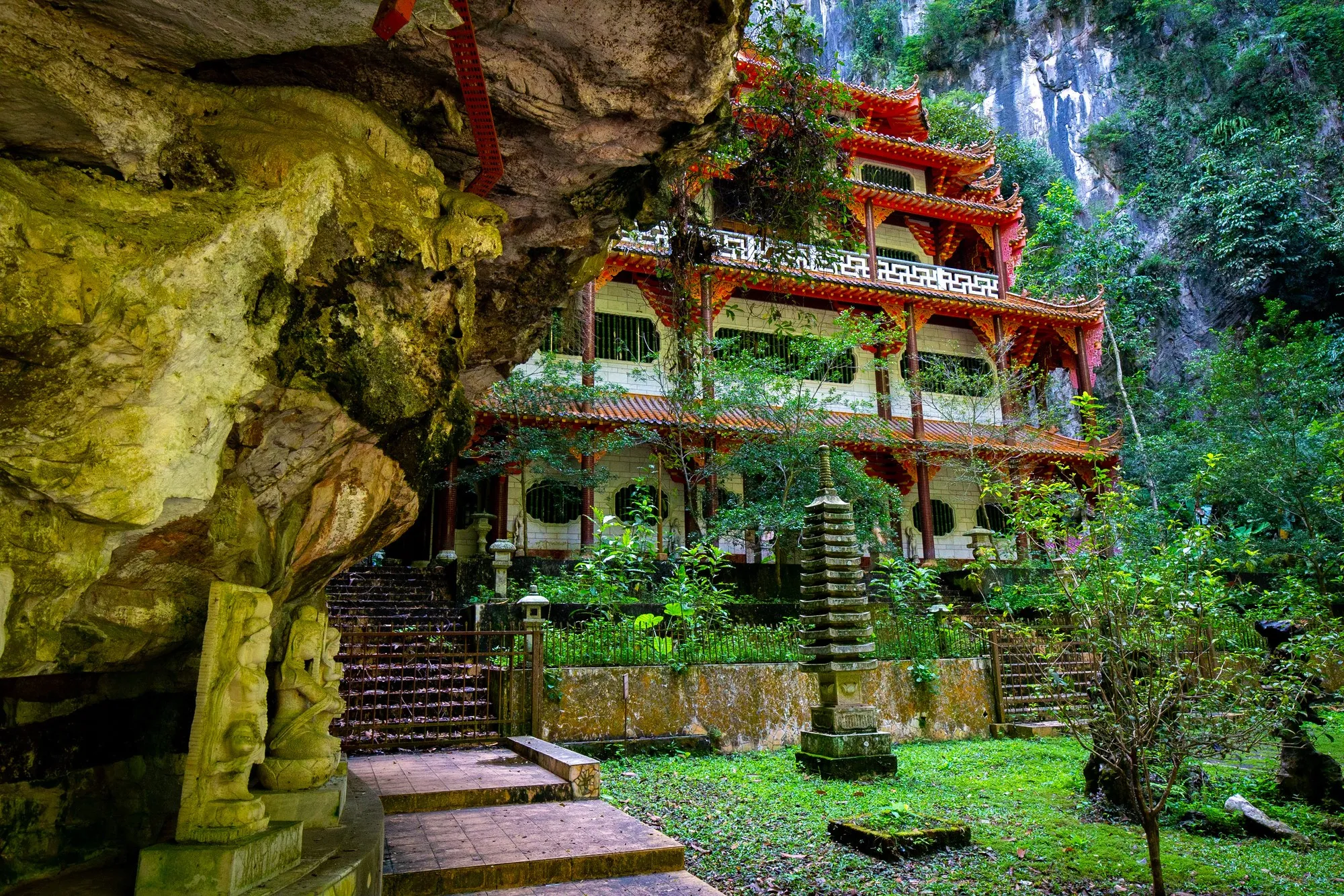
- Religious & Sacred Sam Poh Tong
- Gastronomy Funny Mountain (奇峰) Funny Mountain (奇峰) is a tau fu fa stall near Jalan Yau Tet Shin, Ipoh, said to have begun as a 1950s pushcart and now run by a third generation.
- Gastronomy Nam Heong Nam Heong is an Ipoh Old Town coffee shop linked in travel writing to the start of white coffee, with egg tarts described as a signature.
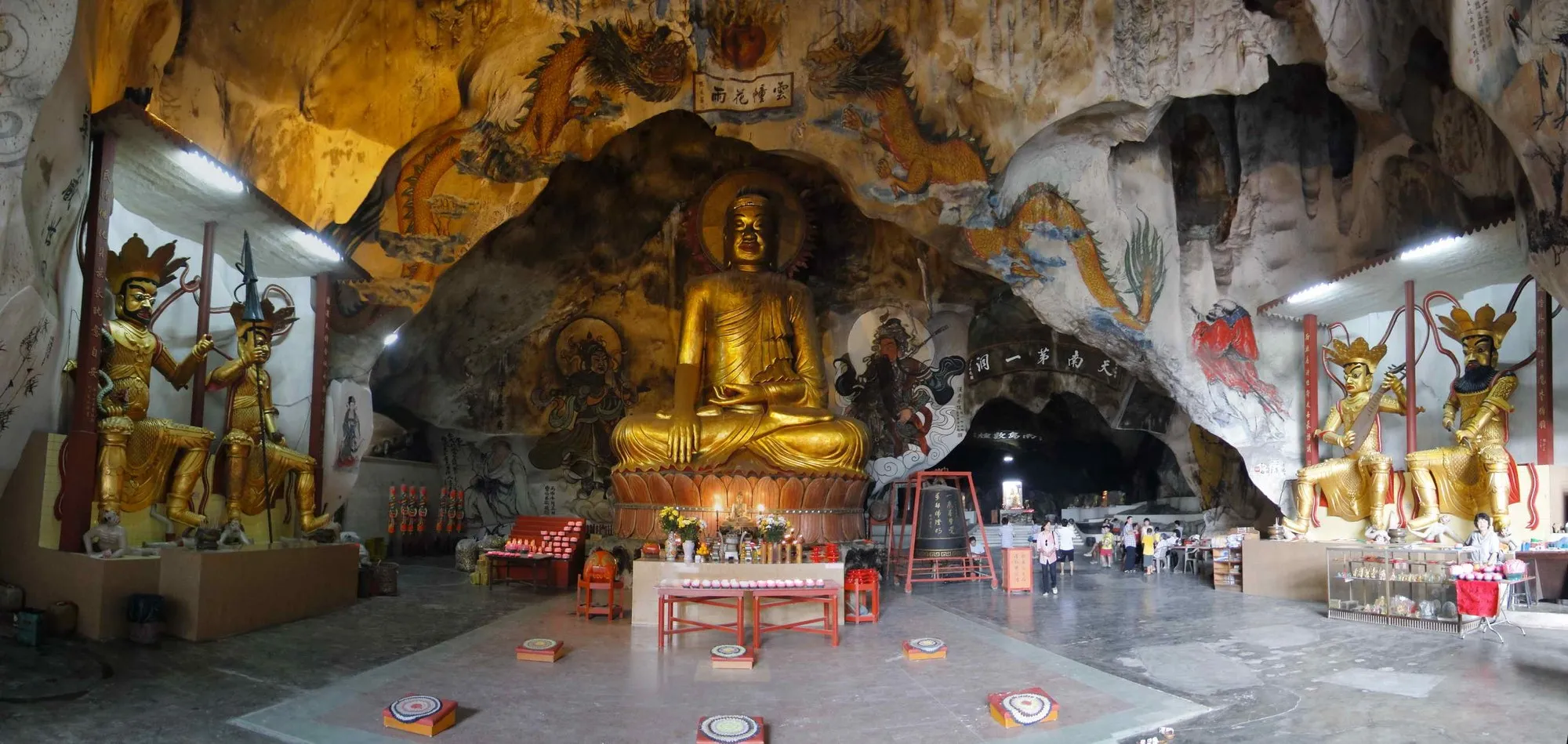
- Religious & Sacred Perak Tong
- Gastronomy Kampung Kacang Putih, Buntong
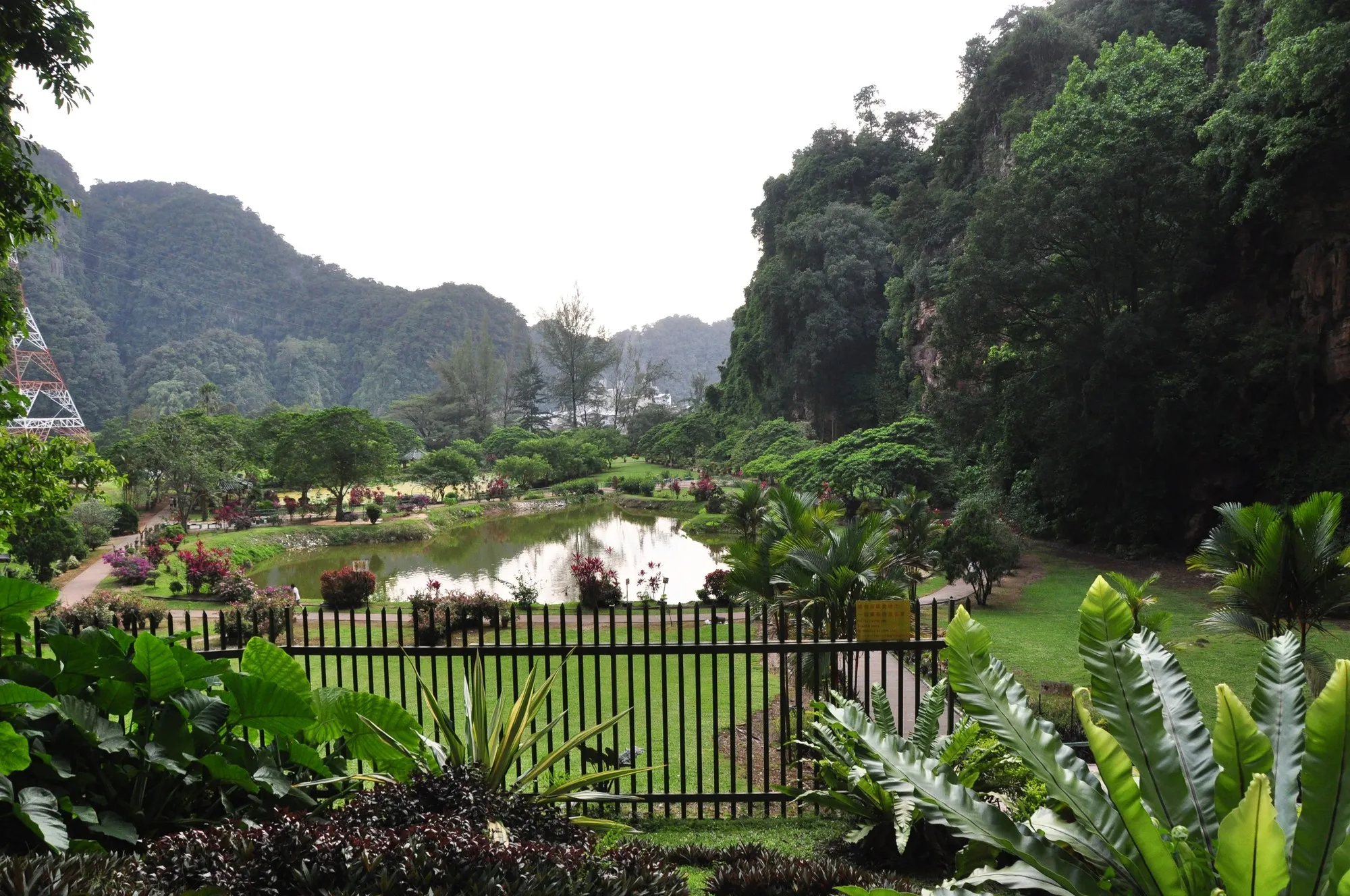
- Religious & Sacred Kek Lok Tong
- Arts & Creative Ipoh Mural Art Lane
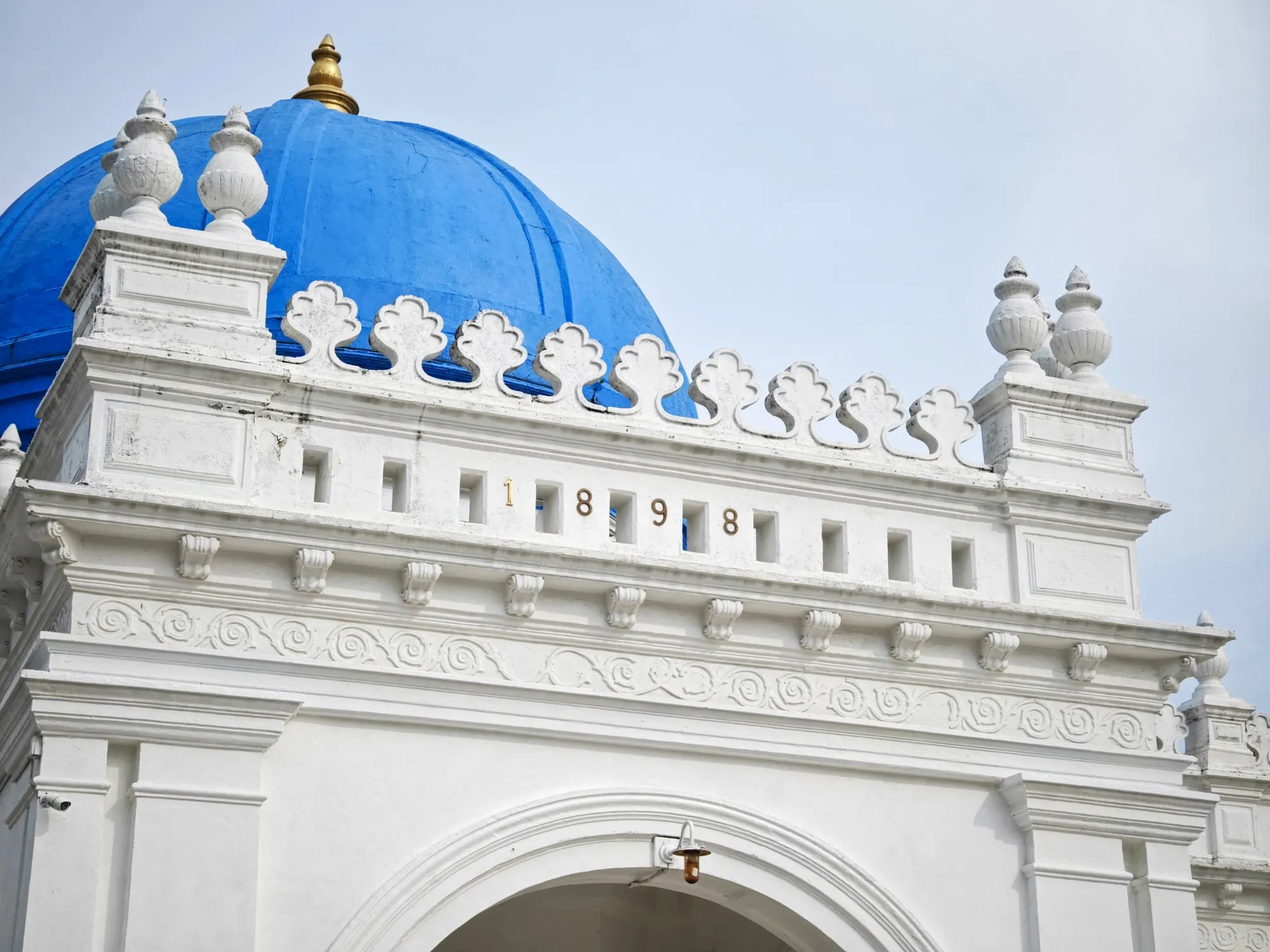
- Religious & Sacred Panglima Kinta Mosque
- Religious & Sacred Kallumalai Arulmigu Subramaniar Temple
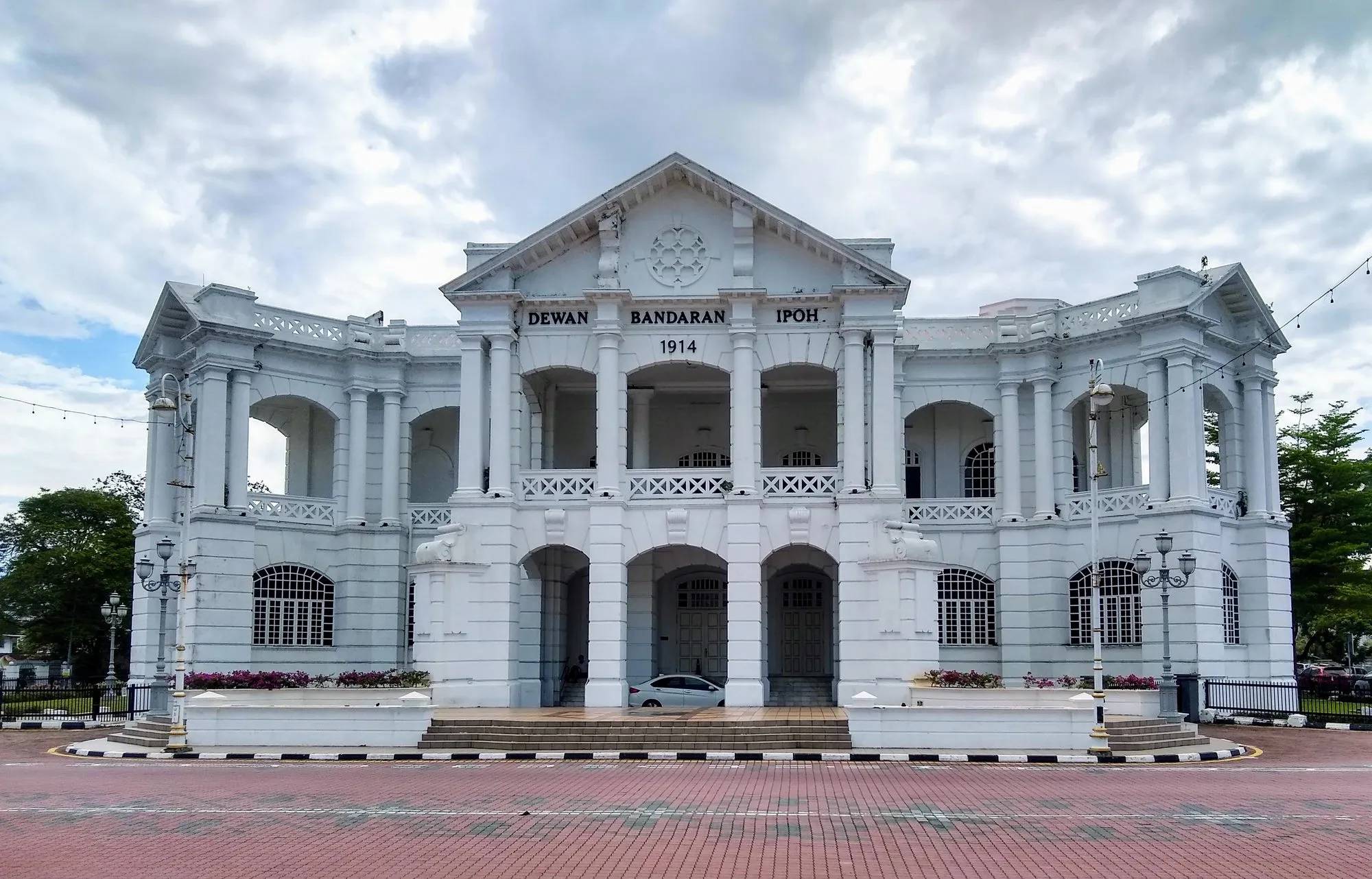
- Heritage & Roots Ipoh Town Hall
- Religious & Sacred Nam Thean Tong
- Religious & Sacred Kwong Fook Ngam
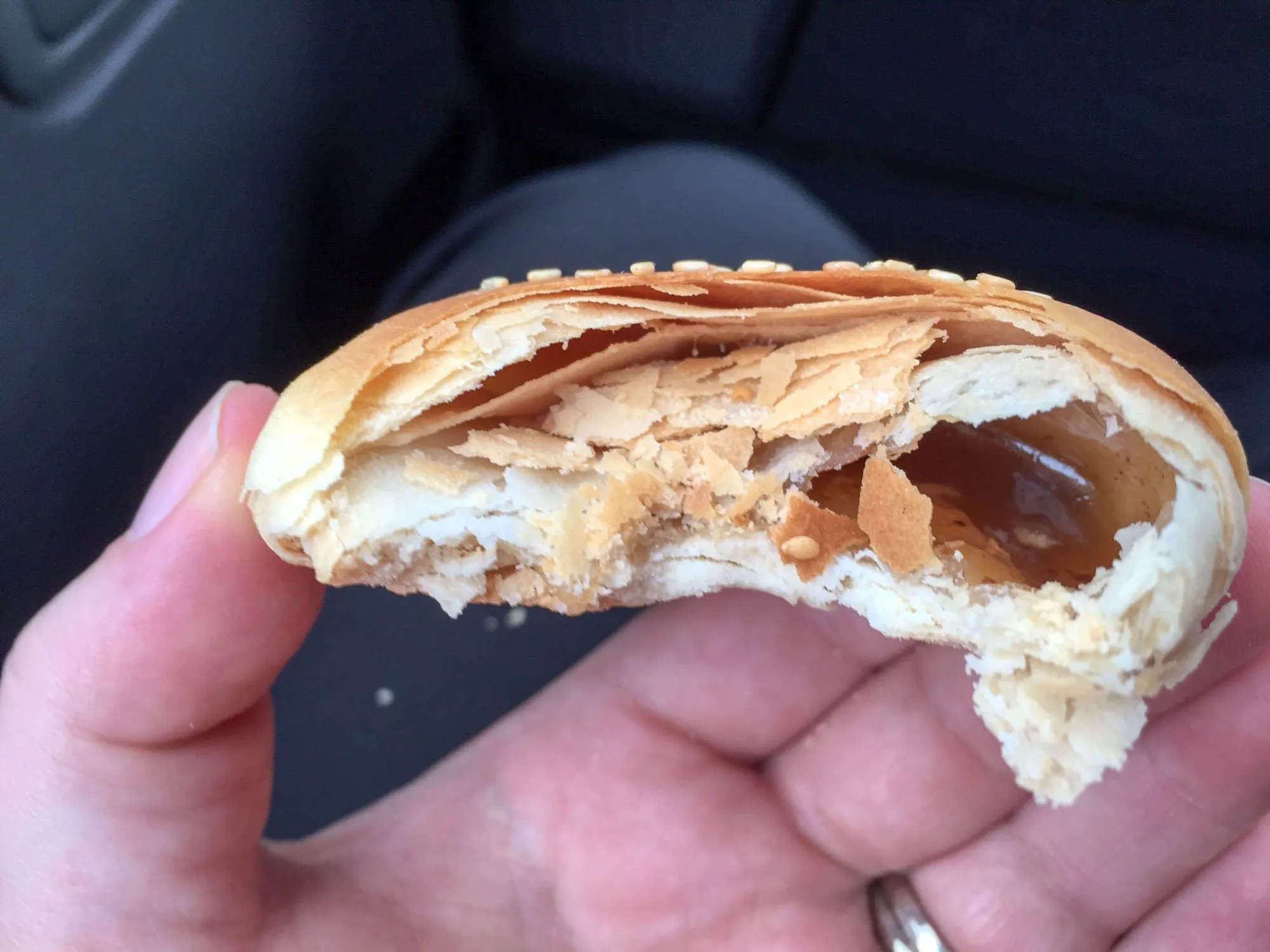
- Gastronomy Heong peng bakers, Gunung Rapat
Download the Aevum app to see all places
The full map of Ipoh, with the story behind every place, is in the app. The app is coming soon.
Download the Aevum app (coming soon)