Heritage & Roots · Heritage lane
Concubine Lane (Lorong Panglima)
In short: Concubine Lane is the popular name for Lorong Panglima (二奶巷), a narrow lane of shophouses in Ipoh Old Town. Two stories explain the name, one about tin tycoons' mistresses and one about the tin magnate Yau Tet Shin's second wife. After residents left and parts collapsed, the lane was restored and is now lined with cafés, food stalls and souvenir shops.
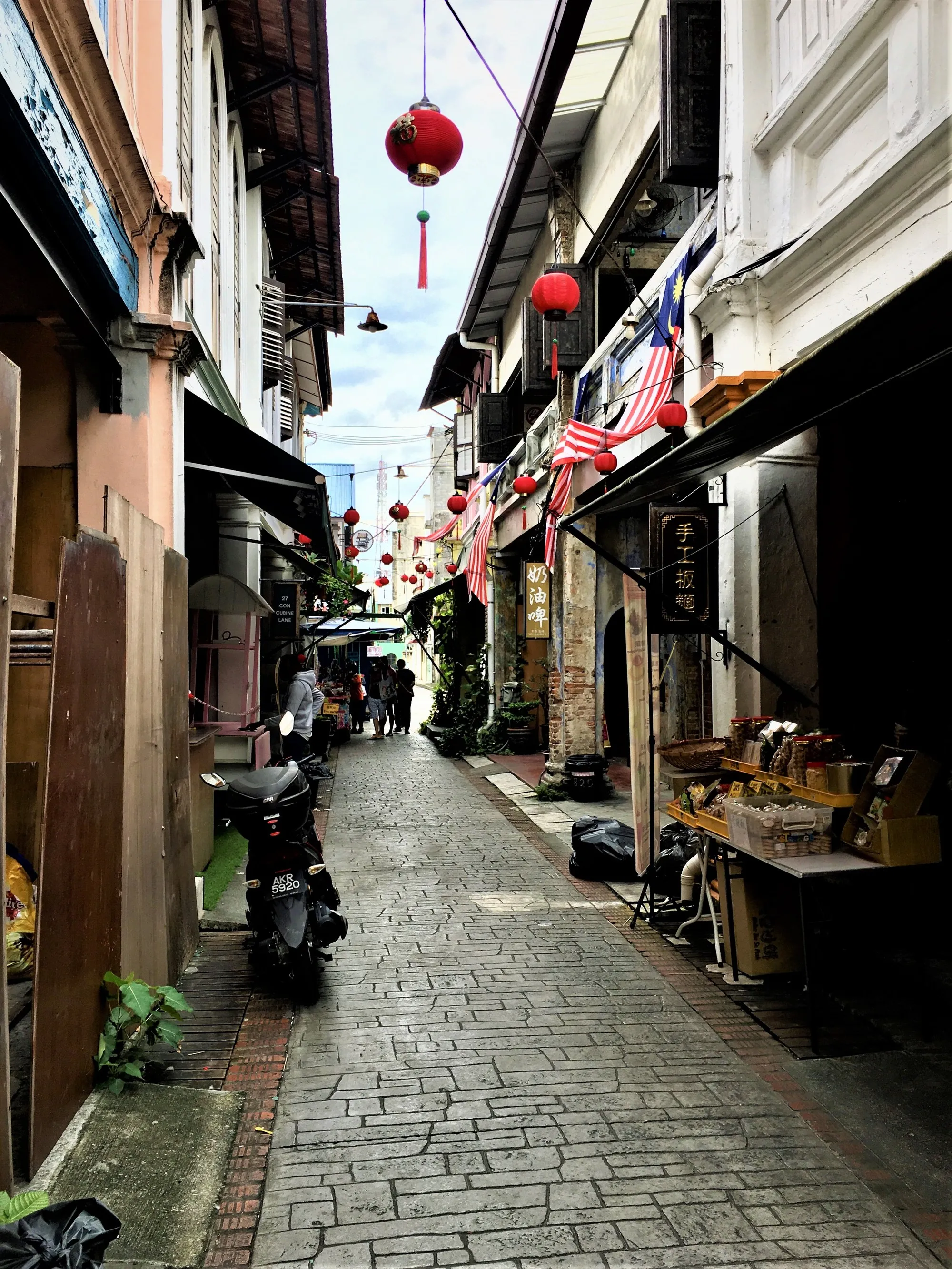
Three names, two stories
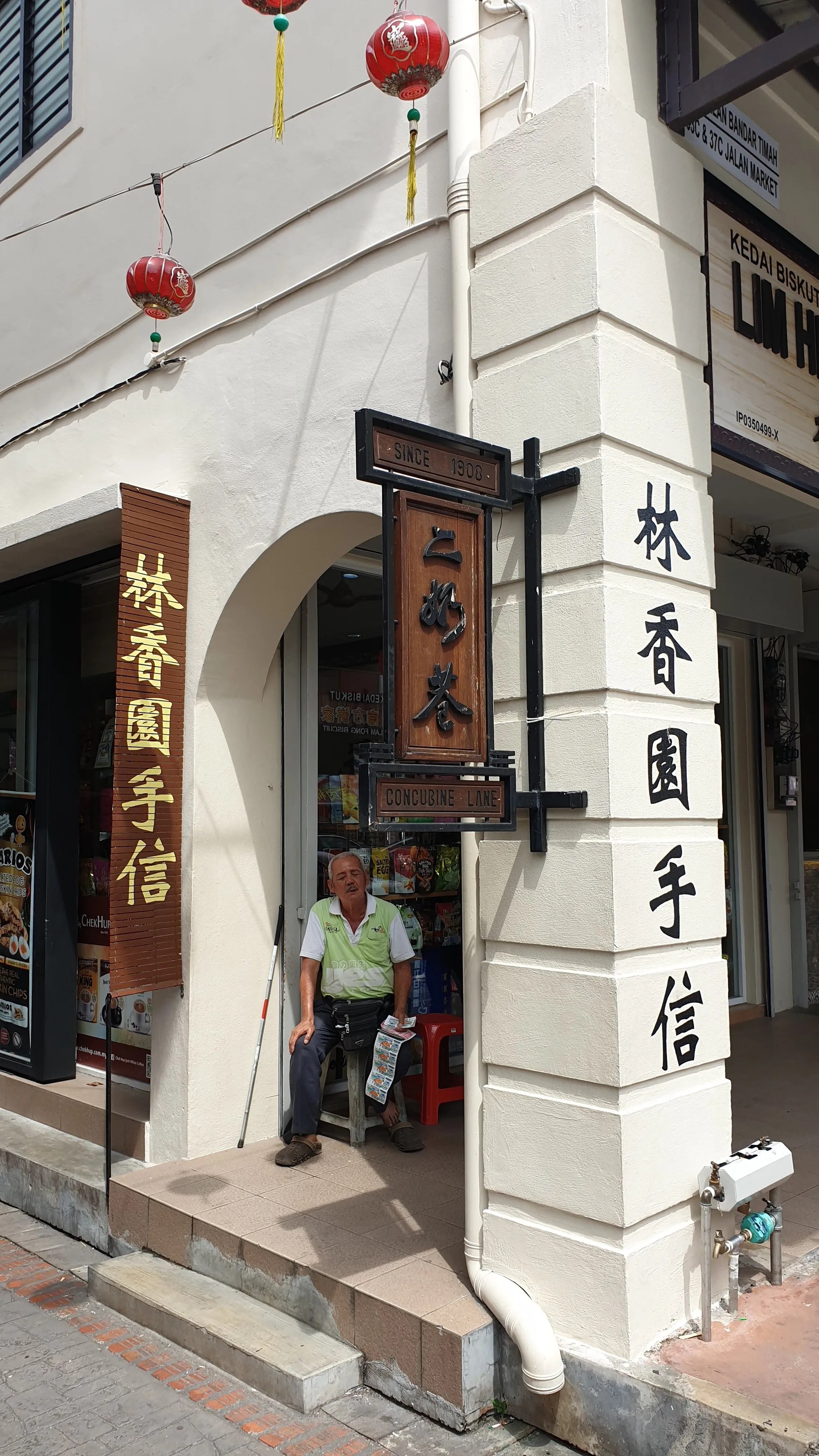
Concubine Lane, Lorong Panglima and 二奶巷 are three names for the same short lane. Use all three when you search. The more widely repeated story says wealthy men of the tin era kept mistresses here. The other, told by the family of the tin magnate Yau Tet Shin, says he gave the lane’s rental shophouses to his second wife, and that the Cantonese name, “second wife’s lane”, came from her. Our story behind the name sets out both.
A lane rebuilt
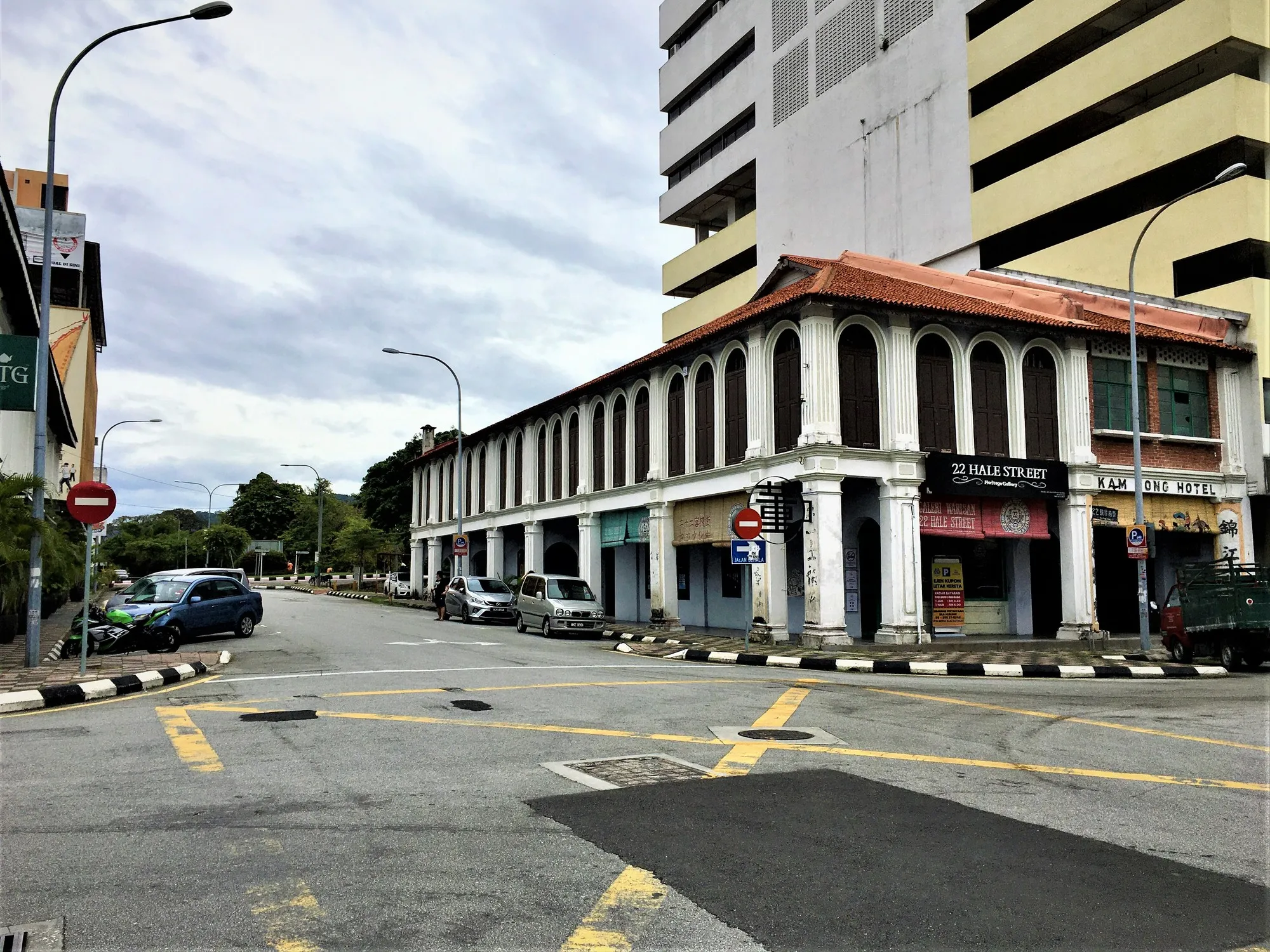
The lane’s buildings belong to Ipoh’s rebuilding after the town fire of 1892, when brick shophouses replaced timber and attap. Notice the pattern of the period: narrow, deep, two-storey units with shops below and living space above.
From decline to revival
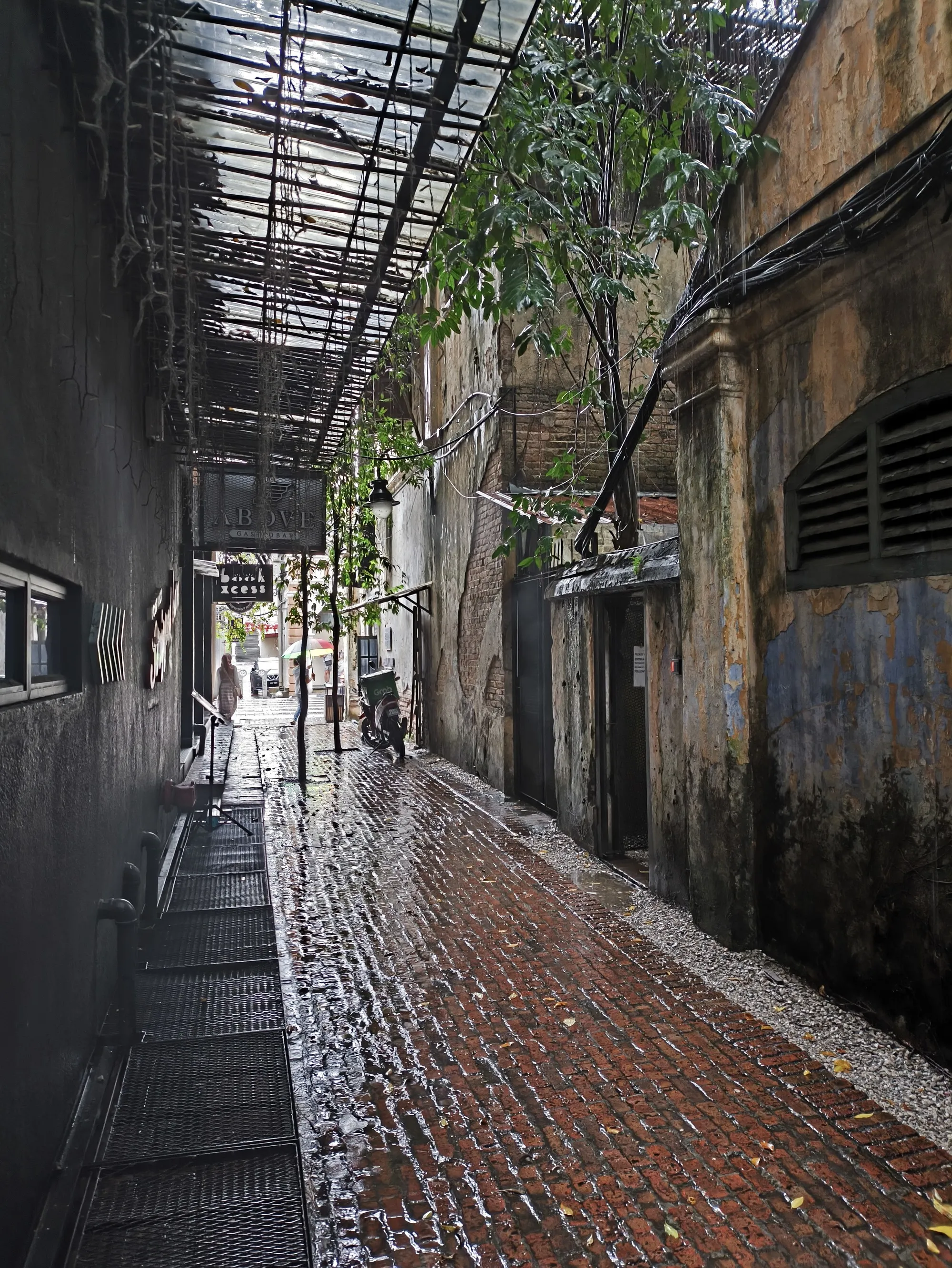
Residents began moving out in the late 1980s, and parts of the lane collapsed in 2010 and 2011. Private investors then bought and restored many units. The lane’s last long-time resident has credited the restorations, the Old Town murals and new Chinese-language street signs with bringing visitors back. Today it is lined with cafés, food stalls and souvenir shops.
Photos
Questions
Why is it called Concubine Lane?
Two stories are told. The more common one says tin tycoons kept their mistresses there. The other, from the family of the tin magnate Yau Tet Shin, says he gave the lane's shophouses to his second wife, and the Cantonese name 二奶巷, second wife's lane, came from her. Neither is settled by published records.
What is Concubine Lane like today?
After residents moved out from the late 1980s and parts of the lane collapsed in 2010 and 2011, private investors restored many units. Today the lane is lined with cafés, food stalls and souvenir shops.
Facts on this page come from Aevum's researched stories, which list their sources. Details can change, so check before you travel. Sources: Sin Chew Daily (2015, 2019); Oriental Daily (2015, 2024); Phin-Keong Voon, Malaysian Journal of Chinese Studies (2024); Ipoh City Council (MBI), "Info Ipoh"; Bernama via Malay Mail and The Star (2024); Free Malaysia Today (2019); Citizens Journal (2022); britishmalaya.home.blog (2019, quoting the Heritage Trail plaque); 旅讀Or via udn (2024); Malay Mail (2014, 2017); Ipoh Echo (2013, 2014); Ipoh Tourist Information Centre, Ipoh murals guide; Sin Chew Daily (2022, 2024); Oriental Daily (2017); myipoh.my (2022); Wikipedia, "Ernest Zacharevic" (cross-check only).
Report an error · Something wrong, incomplete or culturally insensitive? Tell us and we aim to review it within 5 working days.
Also in this area
- Gastronomy Kong Heng
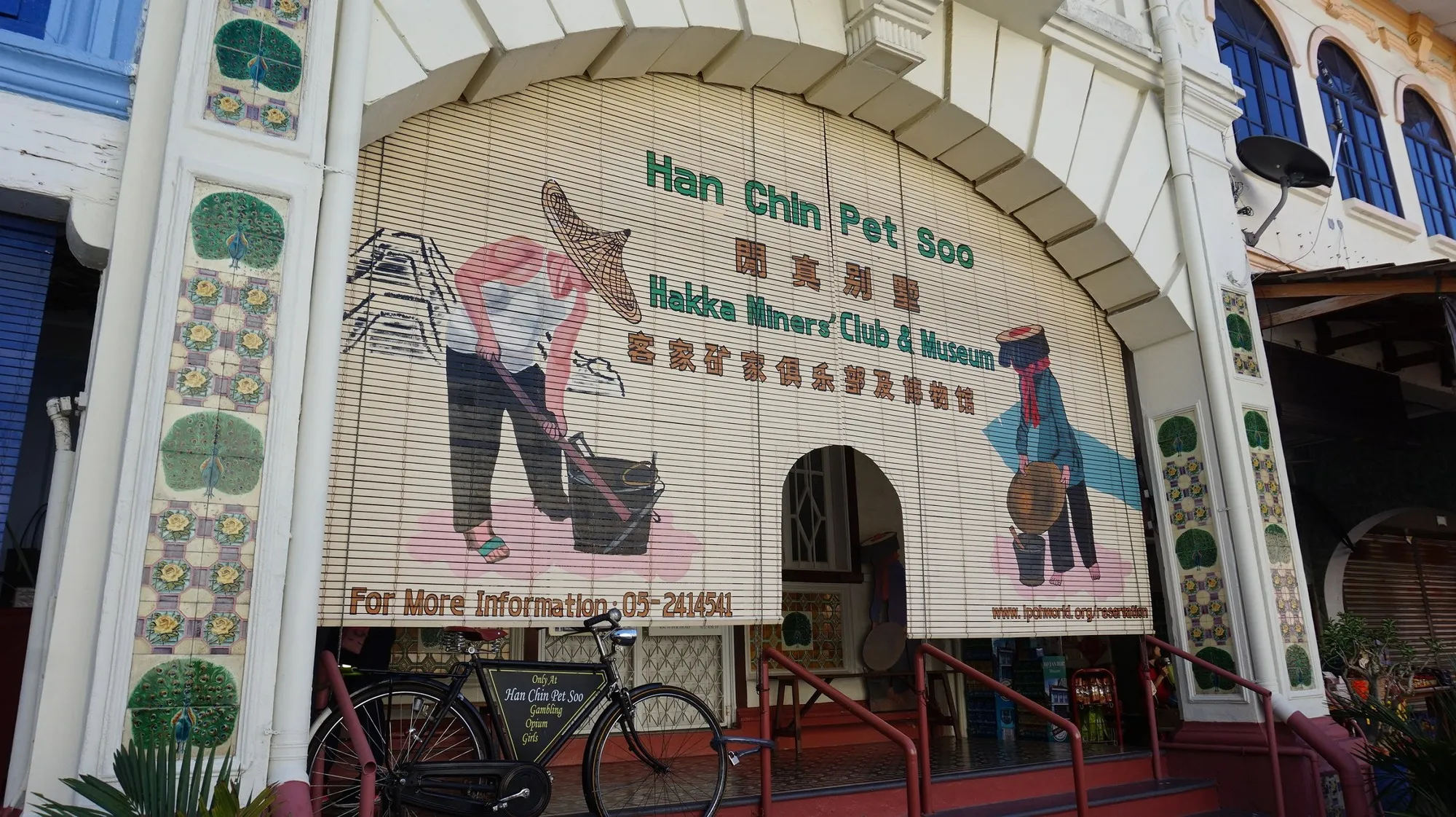
- Heritage & Roots Han Chin Pet Soo
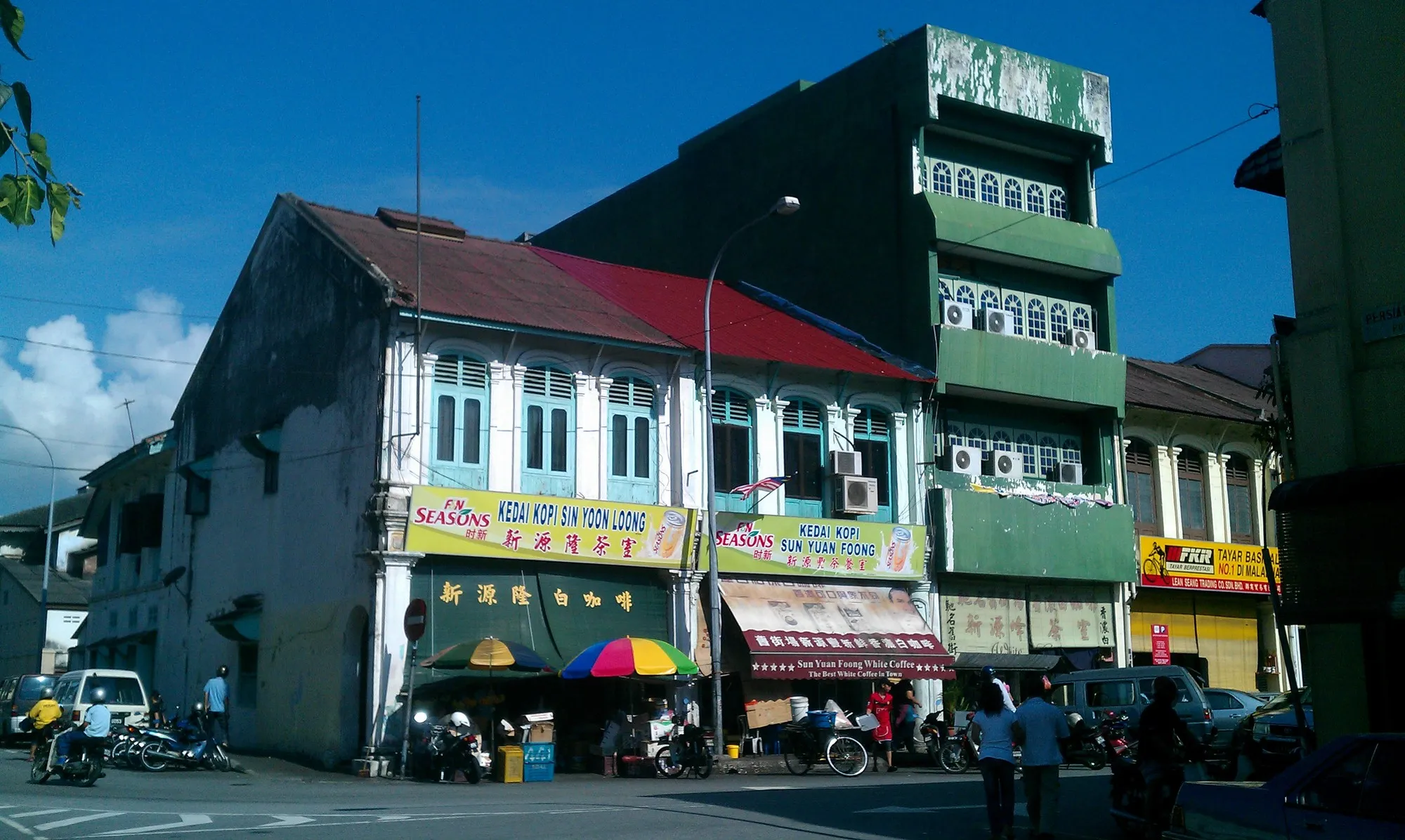
- Gastronomy Sin Yoon Loong
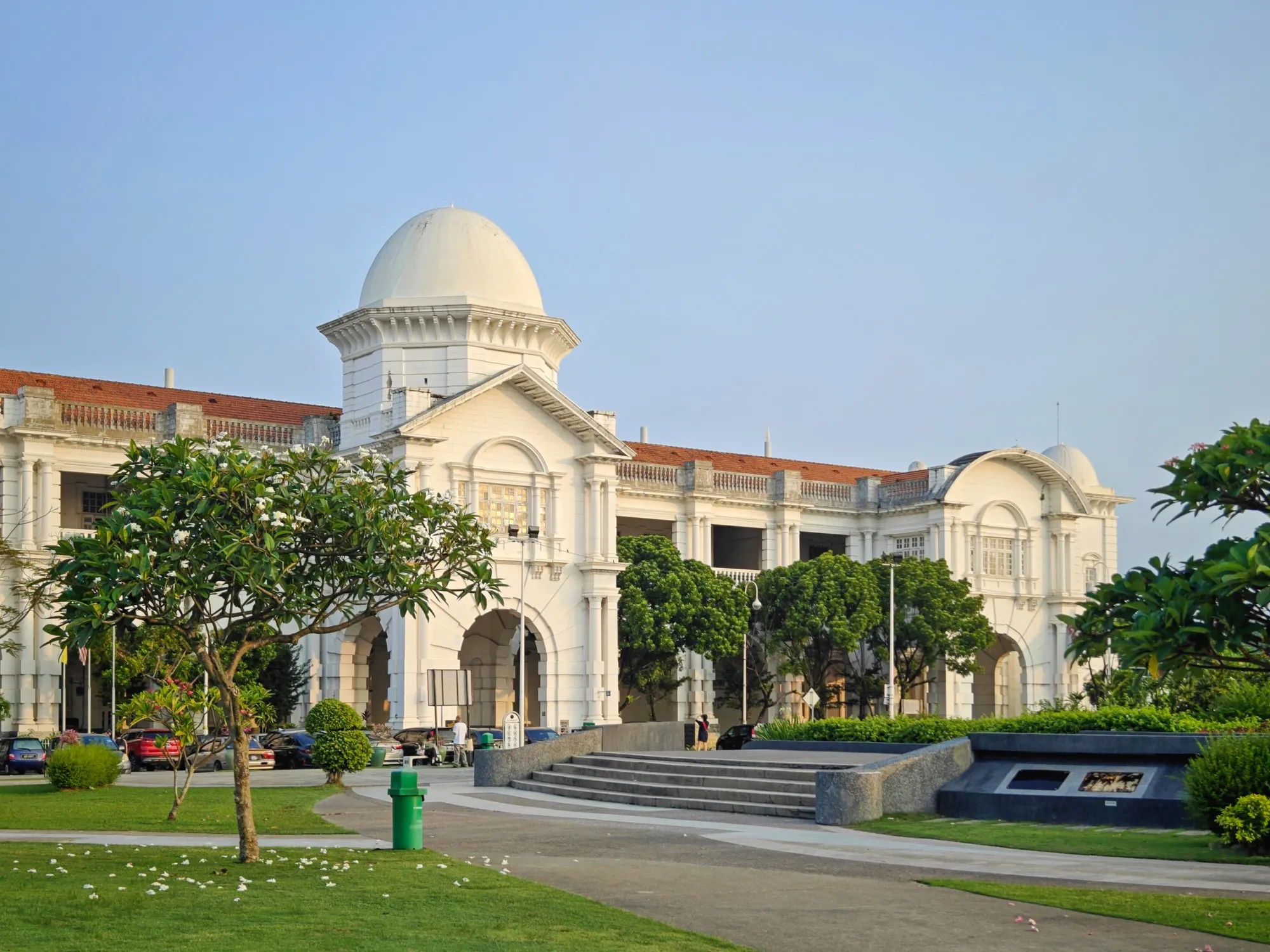
- Heritage & Roots Ipoh Railway Station
- Gastronomy Nam Heong Nam Heong is an Ipoh Old Town coffee shop linked in travel writing to the start of white coffee, with egg tarts described as a signature.
- Arts & Creative Ipoh Mural Art Lane Ipoh Mural Art Lane is a back lane of murals started by local artist Eric Lai in 2013, launched as a community programme on Jalan Masjid in 2014.
Read the full story
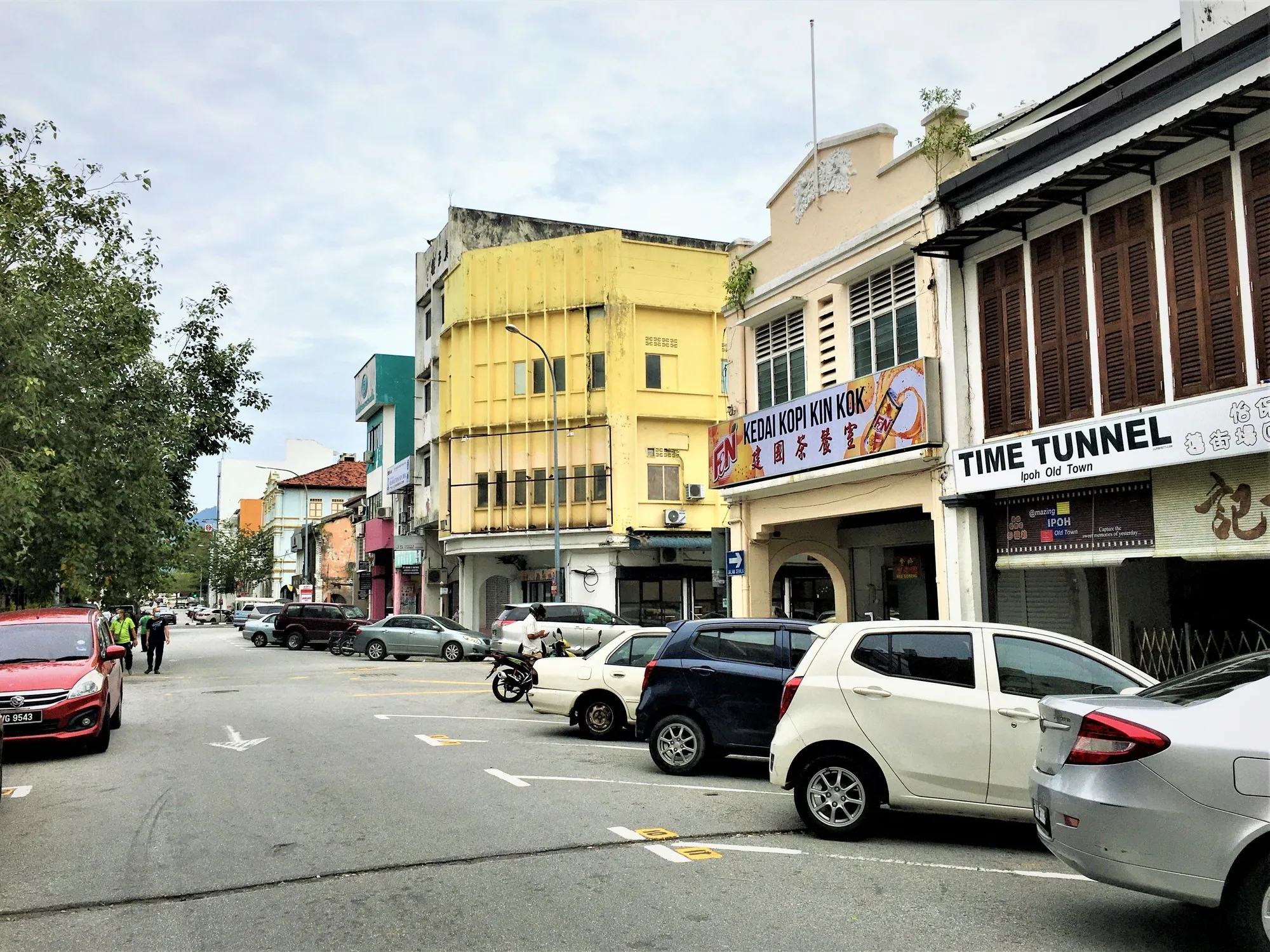
Concubine Lane, Ipoh: The Story Behind the Name
Ipoh Street Art, Explained: Who Painted the Old Town Murals?
More places in Ipoh
Landmarks and living heritage on the Aevum map of Ipoh.
- Gastronomy Kong Heng
- Heritage & Roots Han Chin Pet Soo
- Gastronomy Sin Yoon Loong
- Heritage & Roots Ipoh Railway Station
- Religious & Sacred Sam Poh Tong
- Gastronomy Funny Mountain (奇峰) Funny Mountain (奇峰) is a tau fu fa stall near Jalan Yau Tet Shin, Ipoh, said to have begun as a 1950s pushcart and now run by a third generation.
- Heritage & Roots Kellie's Castle
- Gastronomy Nam Heong Nam Heong is an Ipoh Old Town coffee shop linked in travel writing to the start of white coffee, with egg tarts described as a signature.
- Religious & Sacred Perak Tong
- Gastronomy Kampung Kacang Putih, Buntong
- Religious & Sacred Kek Lok Tong
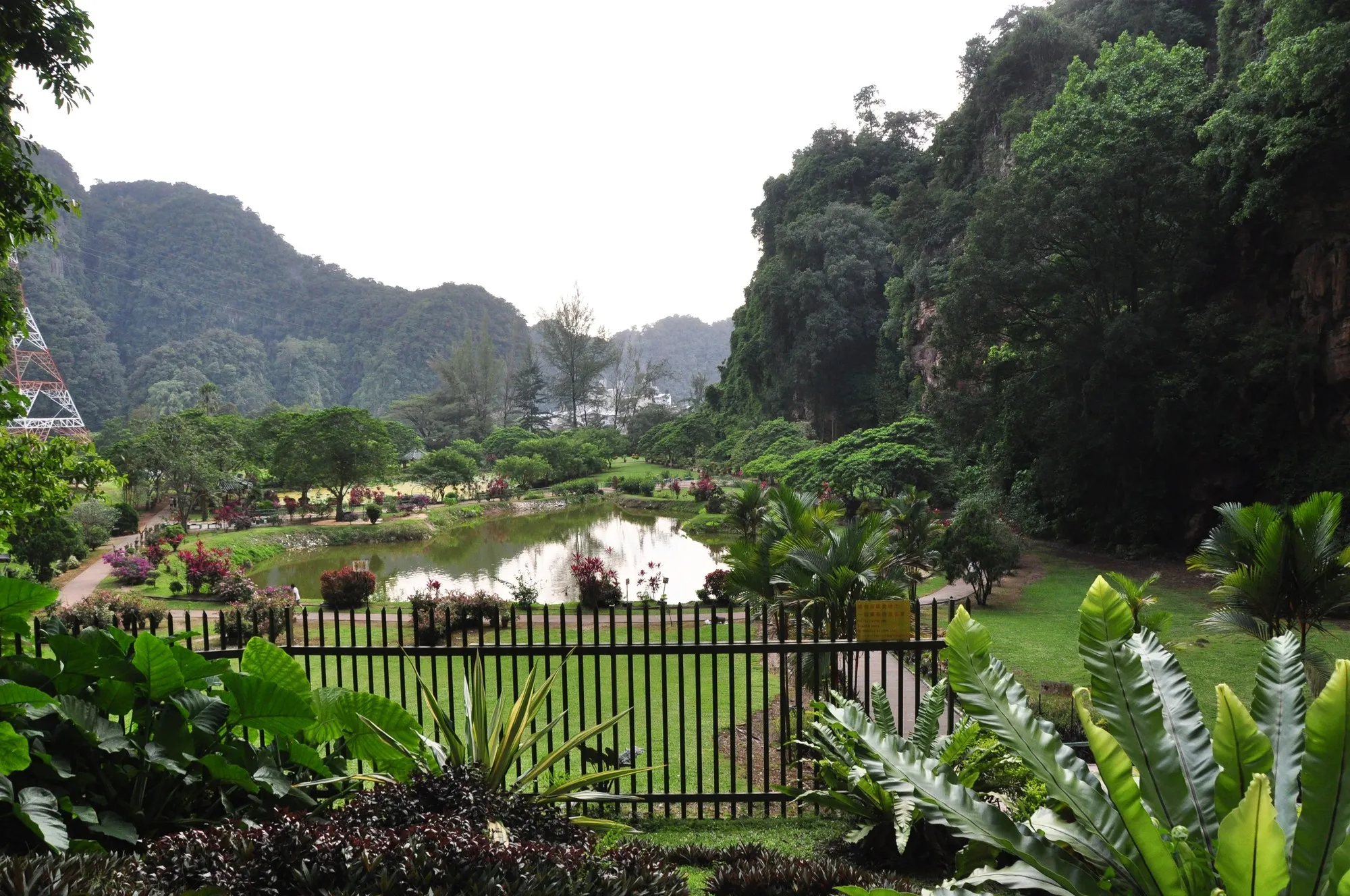
- Arts & Creative Ipoh Mural Art Lane
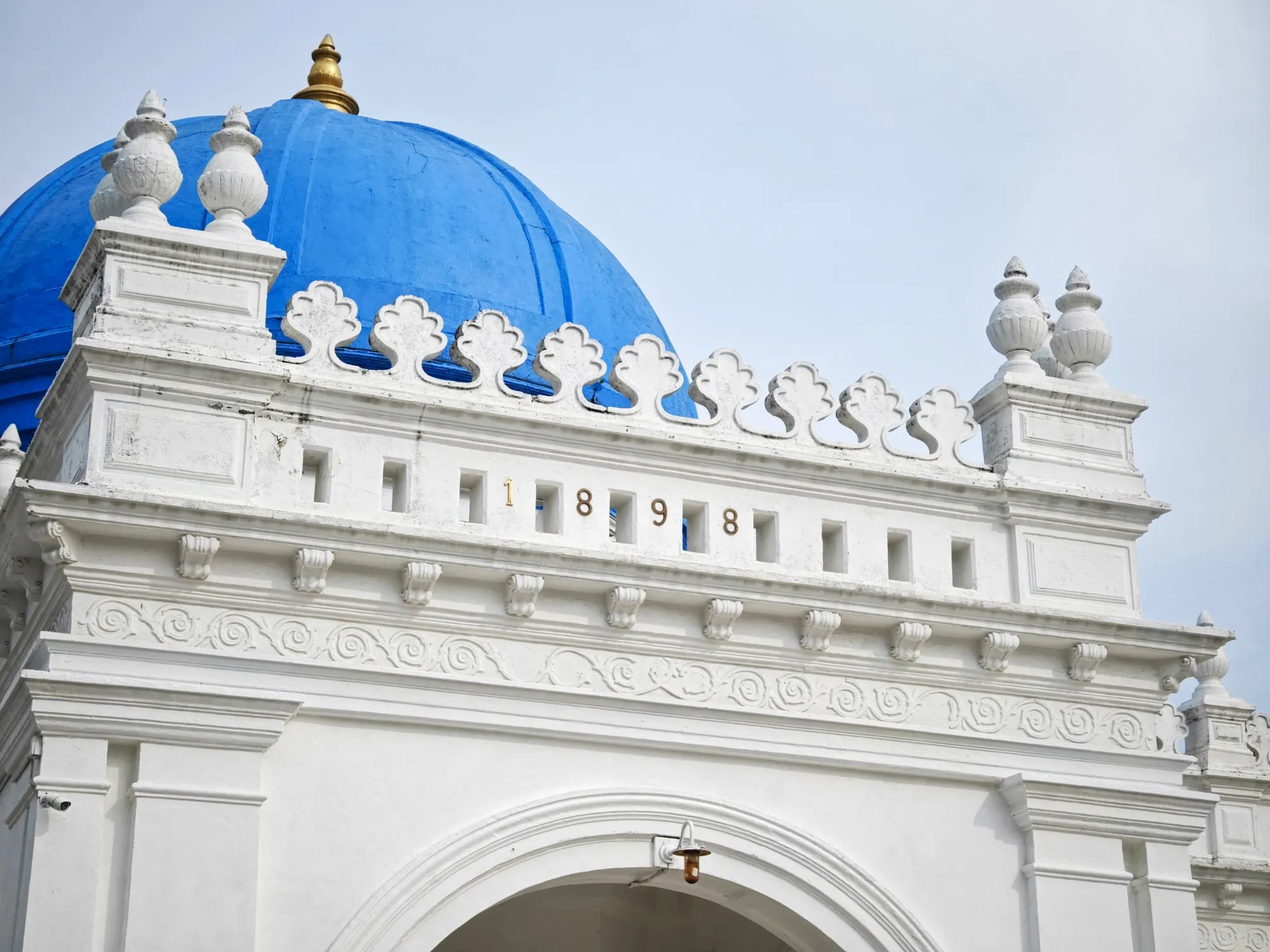
- Religious & Sacred Panglima Kinta Mosque
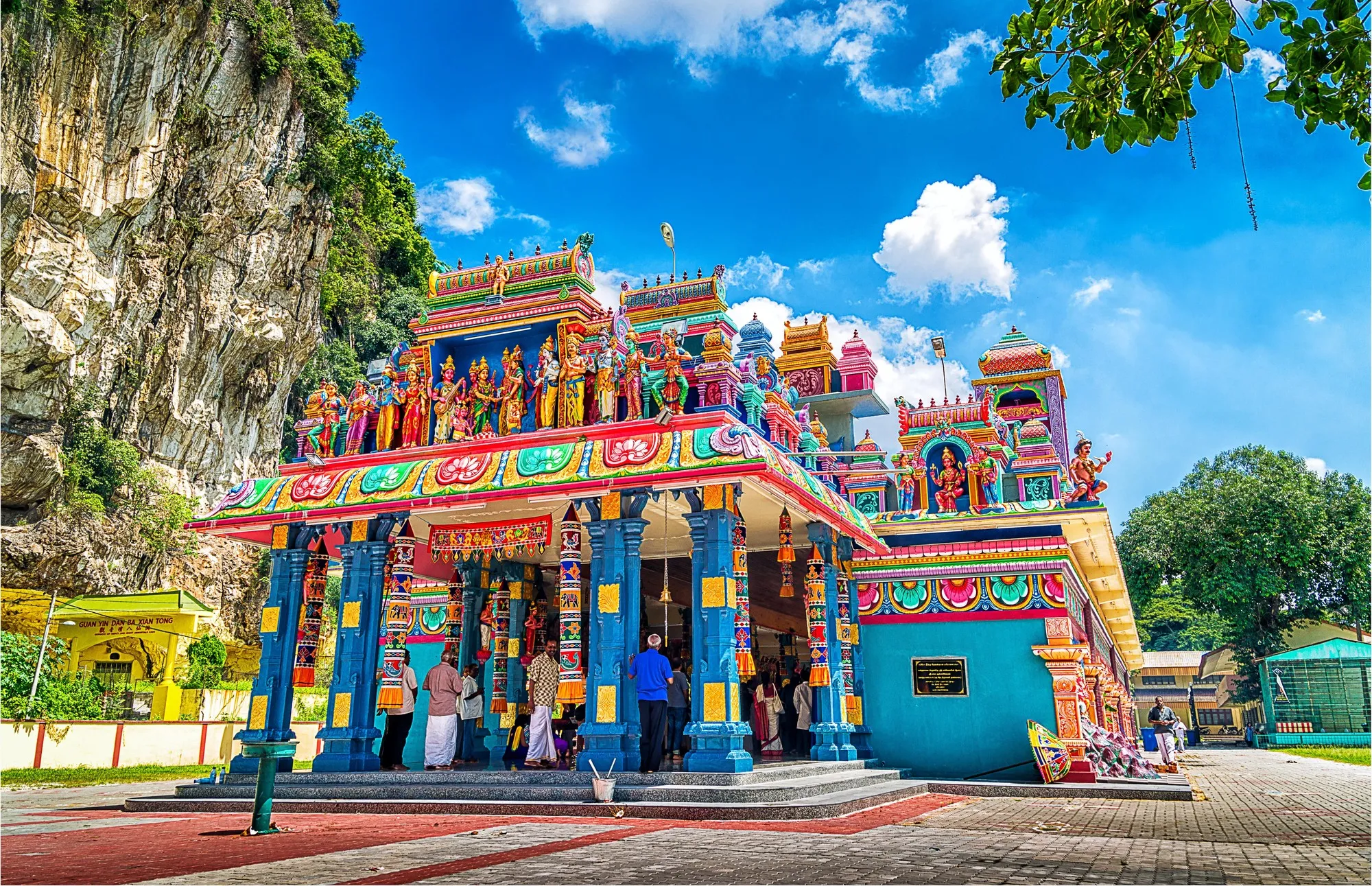
- Religious & Sacred Kallumalai Arulmigu Subramaniar Temple
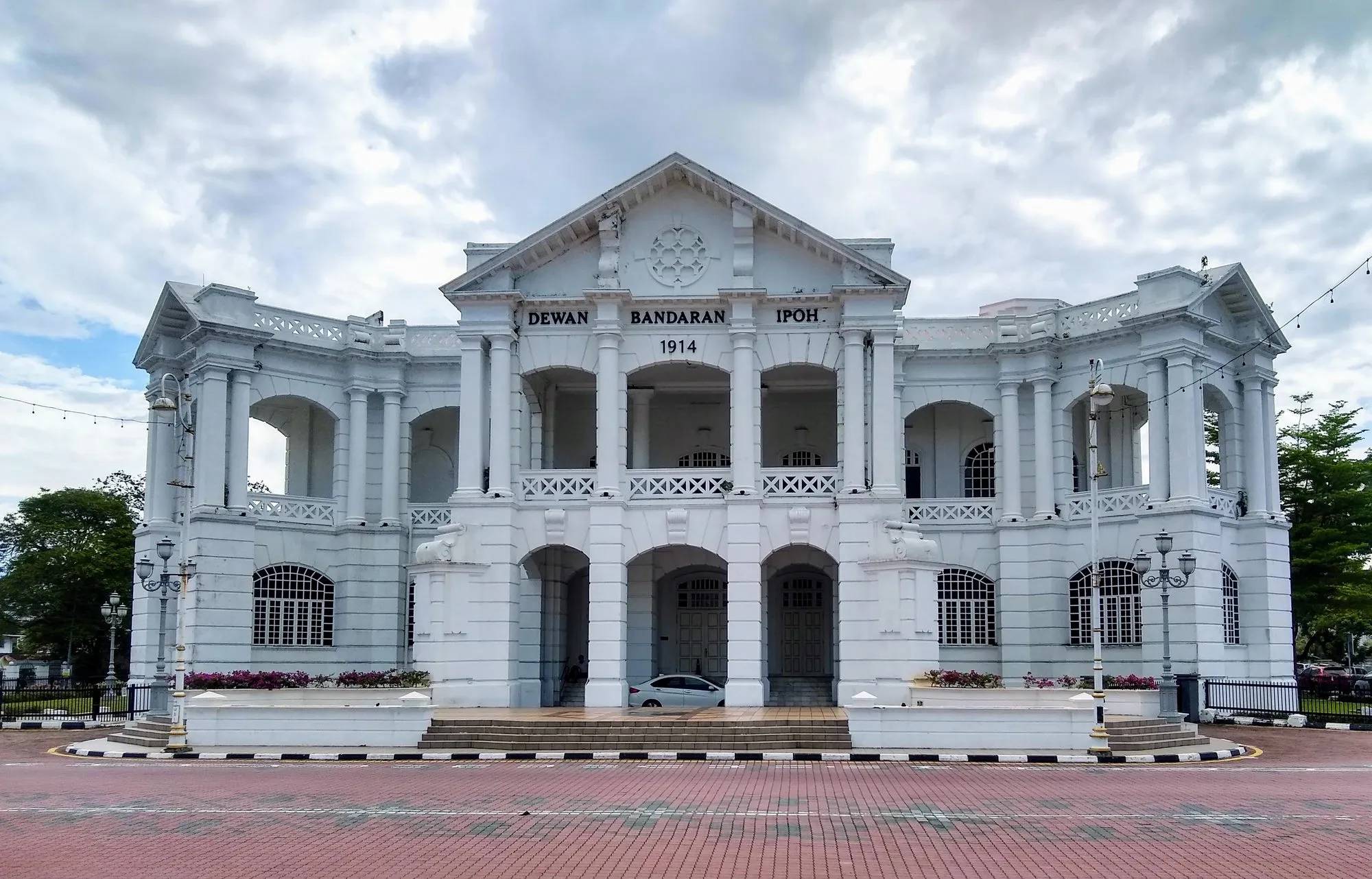
- Heritage & Roots Ipoh Town Hall
- Religious & Sacred Nam Thean Tong
- Religious & Sacred Kwong Fook Ngam
- Gastronomy Heong peng bakers, Gunung Rapat
Download the Aevum app to see all places
The full map of Ipoh, with the story behind every place, is in the app. The app is coming soon.
Download the Aevum app (coming soon)