Gastronomy · Kopitiam
Kong Heng
In short: Kong Heng is a kopitiam, a traditional Malaysian coffee shop, on Jalan Bandar Timah in Ipoh Old Town. It sits in a block of heritage shophouses in the same compact quarter as Concubine Lane and Han Chin Pet Soo.
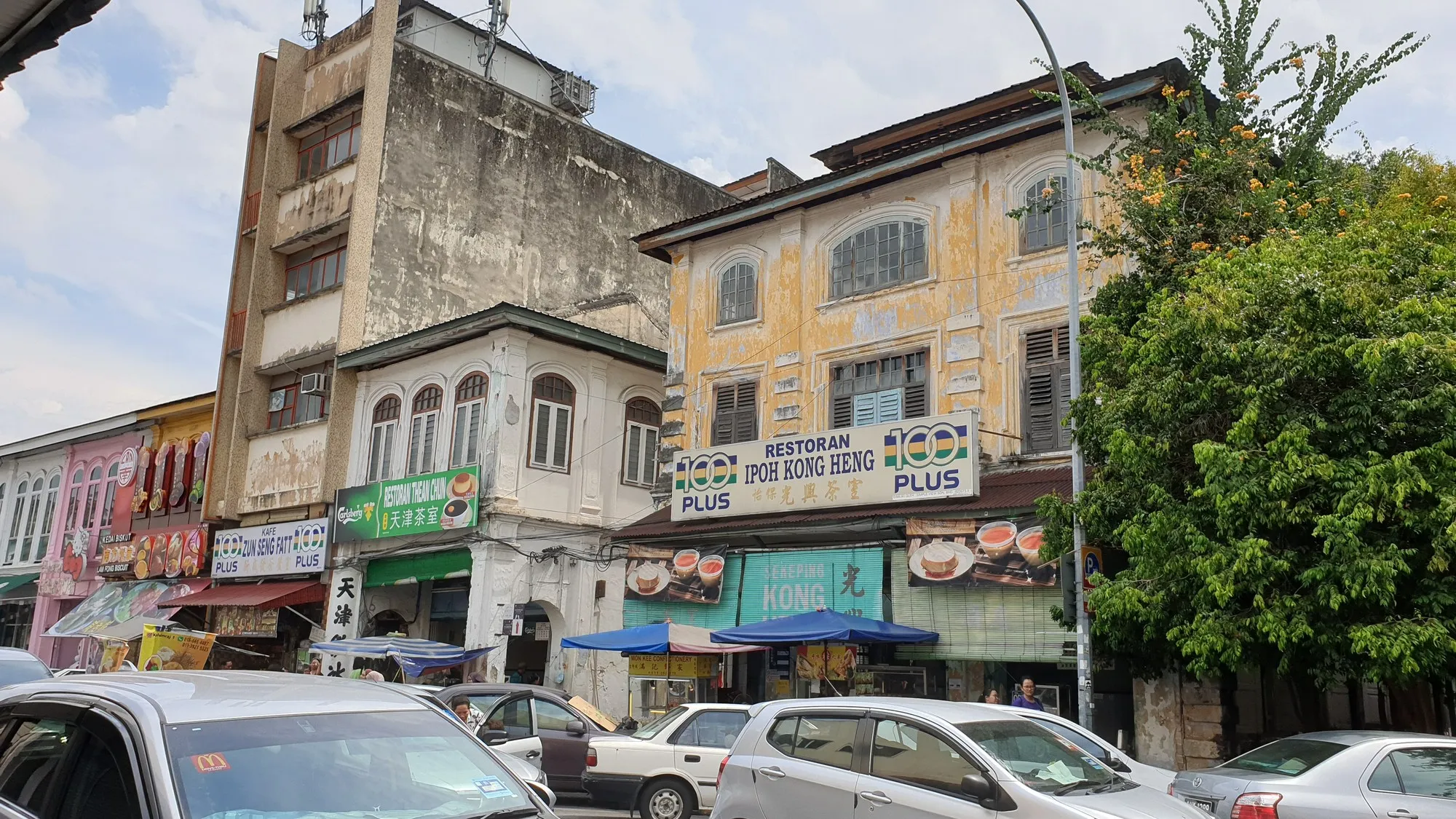
A kopitiam in the old town
Kopitiam means coffee shop: Malay kopi, coffee, joined with Hokkien tiam, shop. Kong Heng is one of the coffee shops in Ipoh Old Town, in the grid of brick shophouses that was rebuilt after the town fire of 1892.
In a kopitiam the drinks counter is usually run by the shop, while hawkers rent stalls inside and sell noodles, rice and snacks. That shop-within-a-shop layout is why one visit can mean coffee from the counter and a bowl from a stall a few steps away.
Why it matters for Ipoh
Ipoh’s coffee shops are often described as the city’s dining room. Many were run by Hainanese migrants, and they are where the city’s white coffee comes from: beans roasted with margarine, served with condensed milk. Our guides explain what a kopitiam is and where Ipoh white coffee comes from.
Around Kong Heng
Kong Heng is in the heart of the old town. Concubine Lane, Han Chin Pet Soo and the other Old Town coffee shops are a short walk away, and the railway station is at the edge of the same quarter.
Questions
What is Kong Heng in Ipoh?
Kong Heng is a kopitiam, a traditional coffee shop, on Jalan Bandar Timah in Ipoh Old Town. It sits among the heritage shophouses of the old town, close to Concubine Lane and Han Chin Pet Soo.
How do I order coffee at an Ipoh kopitiam?
Plain kopi usually comes with sweetened condensed milk. Kopi O is black with sugar and kopi C has evaporated milk and sugar. Add kosong for no sugar and peng for iced. Tea, teh, follows the same pattern.
Facts on this page come from Aevum's researched stories, which list their sources. Details can change, so check before you travel. Sources: Oxford Advanced Learner's Dictionary; Dewan Bahasa dan Pustaka, PRPM (Kamus Dewan, 4th ed.); National Library Board Singapore, BiblioAsia (2018); National Heritage Board Singapore, Roots.gov.sg; Beh May Ting, Asia-Pacific Forum (Academia Sinica, 2020); Khoo Gaik Cheng in Everyday Multiculturalism (Palgrave Macmillan, 2009); Utusan Malaysia (2023); Tourism Malaysia feature on BBC.com; Makansutra (2012); Malaysian Journal of Analytical Sciences (Liew et al., 2001); Ipoh Echo (2018); Bernama (2024); Free Malaysia Today (2019); Tourism Malaysia feature on BBC StoryWorks (n.d.); Malaysia Airlines Going Places (2020); 旅讀 Or via udn (2024); J. M. Pladdet, Wageningen University MSc thesis (2019); Ipoh City Council (MBI), "Info Ipoh"; N. R. Jackson, Journal of Southeast Asian History (1963); Phin-Keong Voon, Malaysian Journal of Chinese Studies (2024); Bernama via Malay Mail (2025); The Star (2011); The Guardian (2017); Sin Chew Daily (2010); Wen Wei Po (2007); Nanyang Siang Pau / eNanyang (2025).
Report an error · Something wrong, incomplete or culturally insensitive? Tell us and we aim to review it within 5 working days.
Also in this area
- Heritage & Roots Han Chin Pet Soo
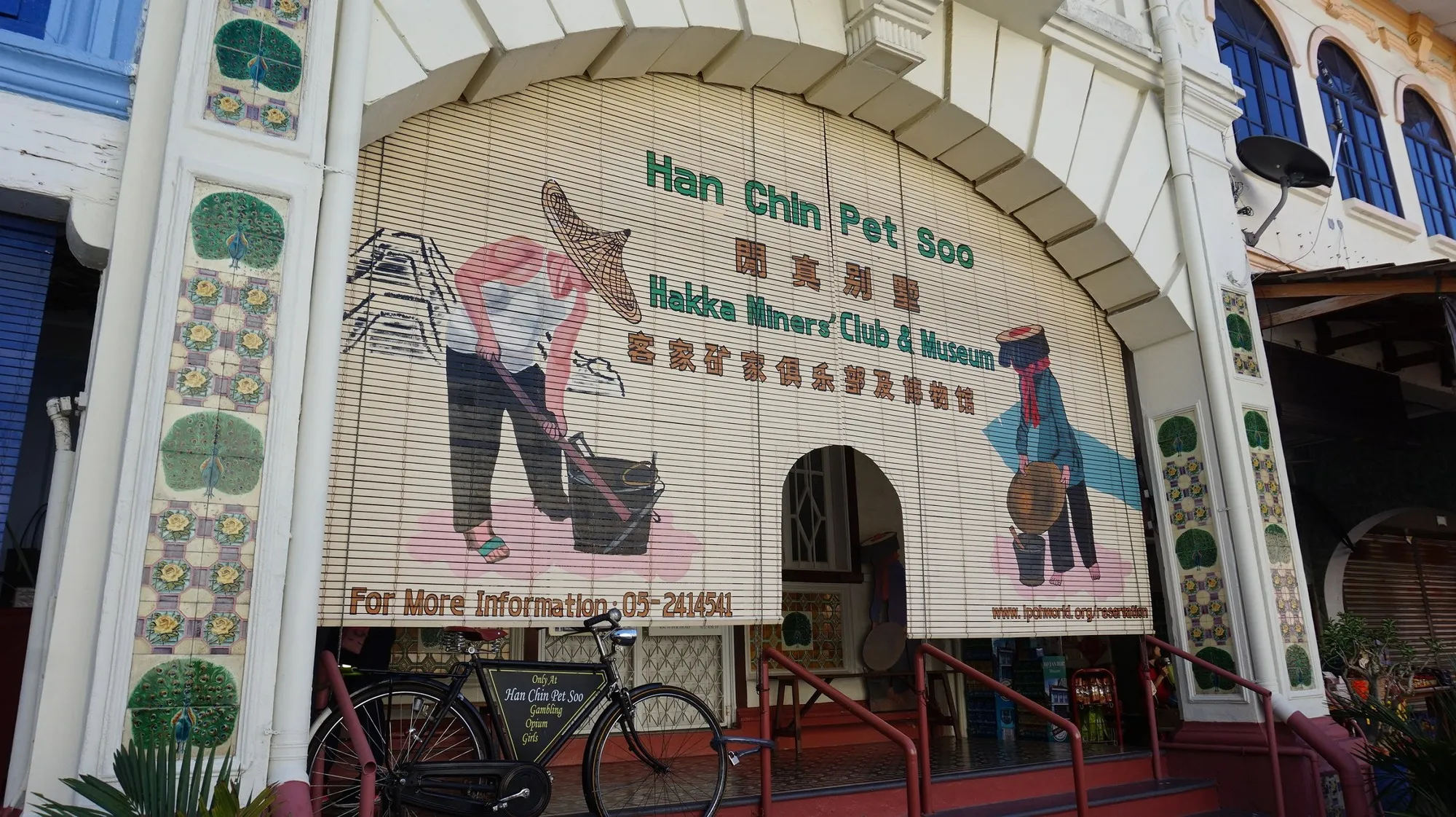
- Gastronomy Sin Yoon Loong
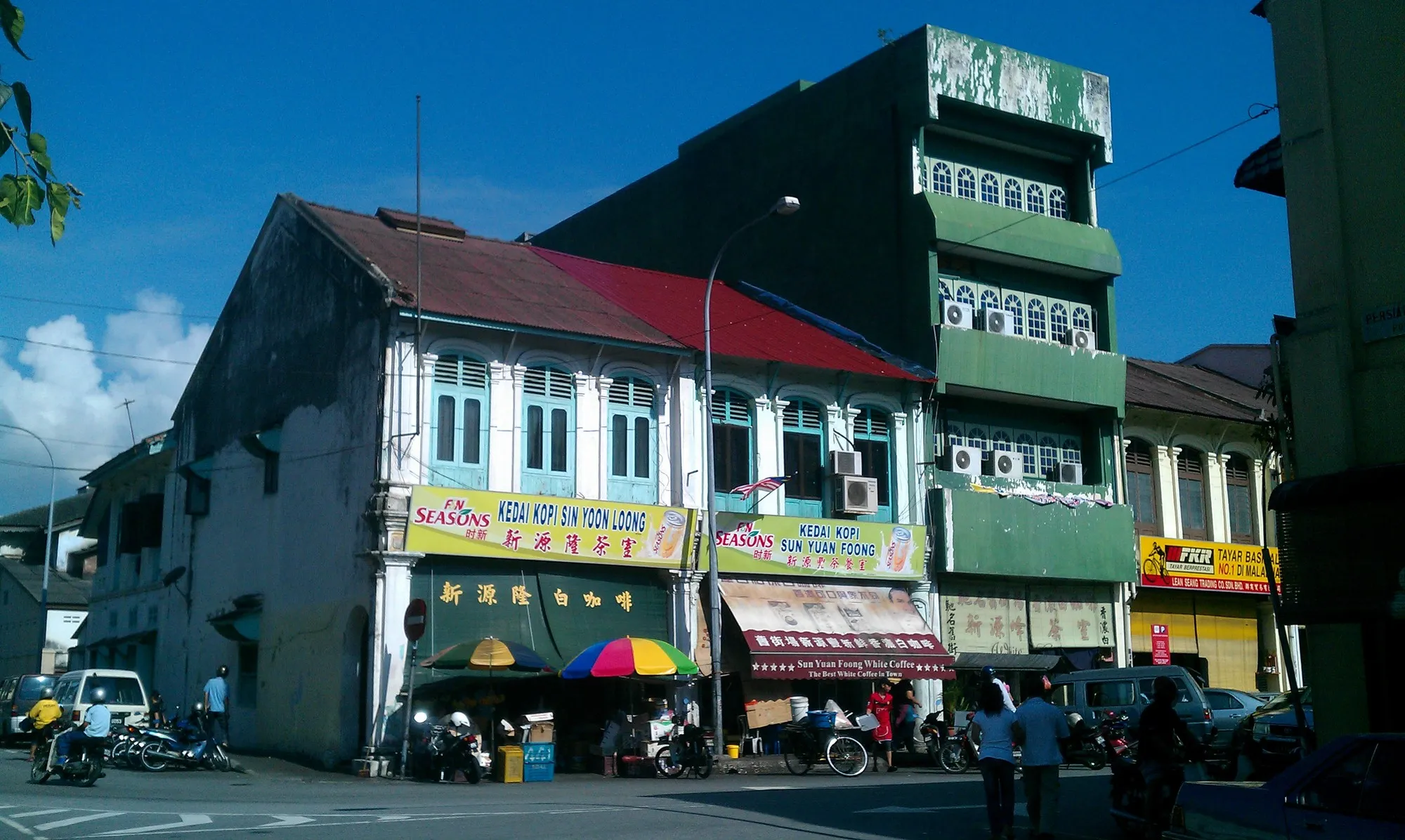
- Heritage & Roots Ipoh Railway Station
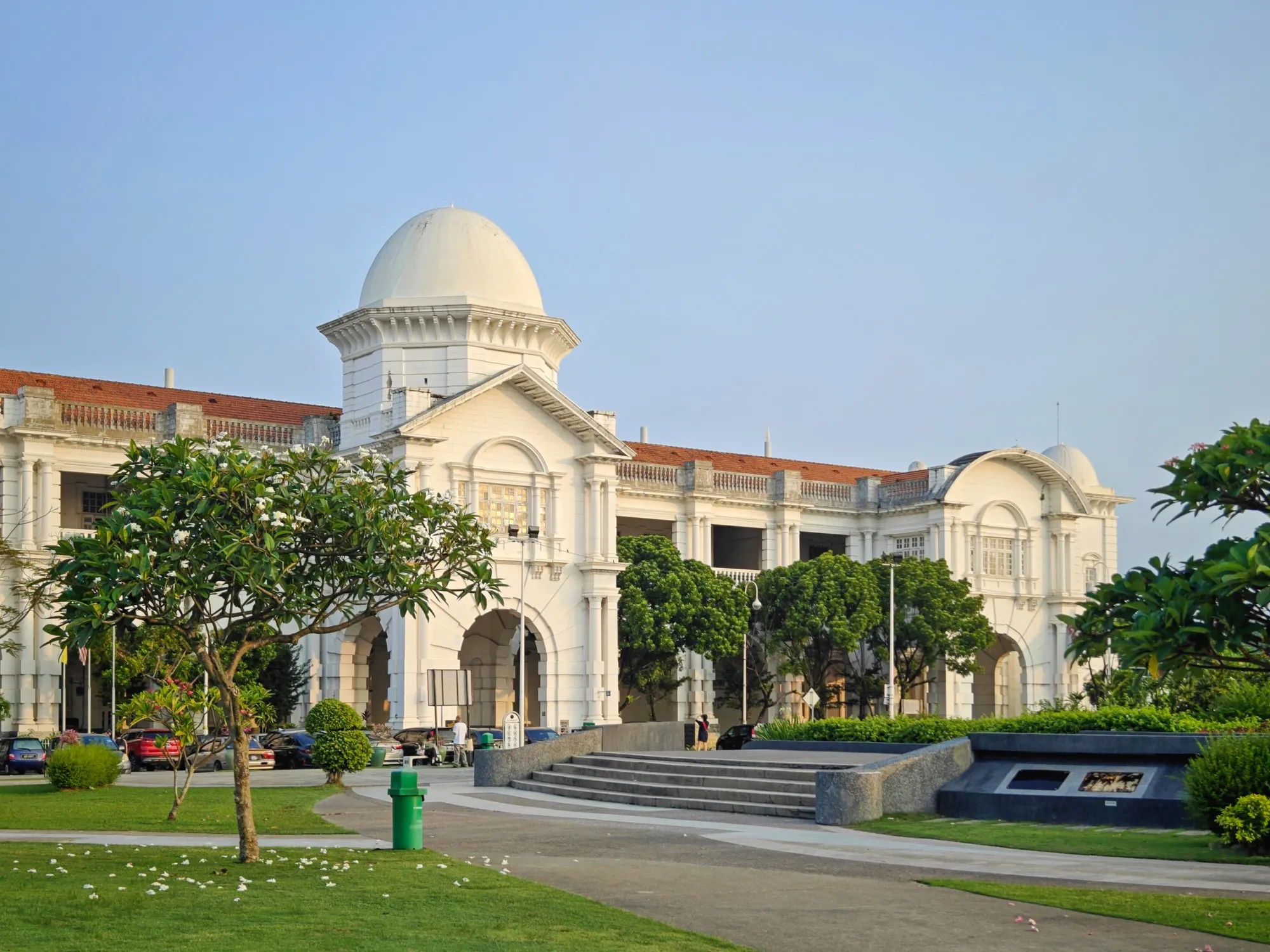
- Heritage & Roots Concubine Lane (Lorong Panglima)
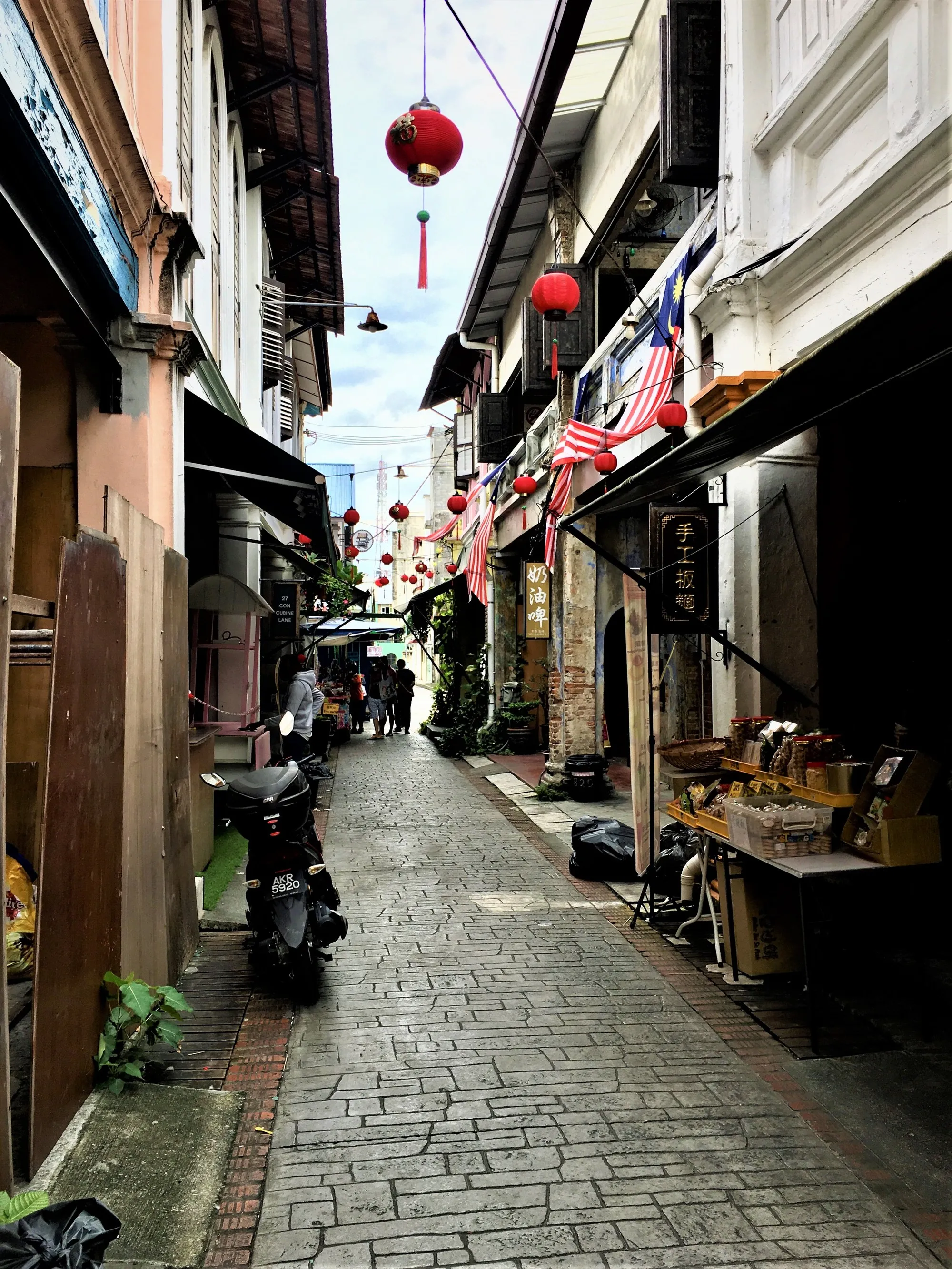
- Gastronomy Nam Heong Nam Heong is an Ipoh Old Town coffee shop linked in travel writing to the start of white coffee, with egg tarts described as a signature.
- Arts & Creative Ipoh Mural Art Lane Ipoh Mural Art Lane is a back lane of murals started by local artist Eric Lai in 2013, launched as a community programme on Jalan Masjid in 2014.
Read the full story
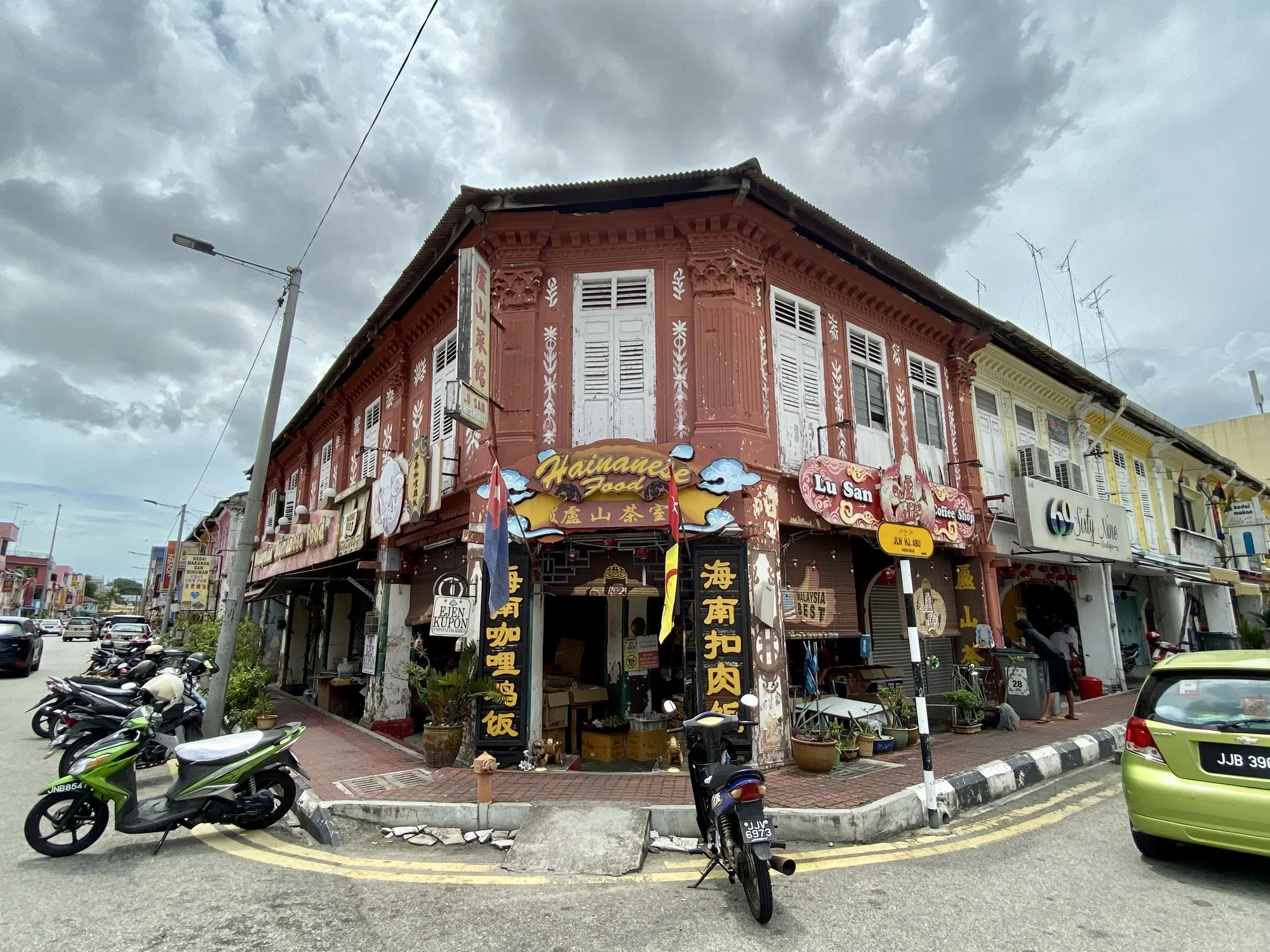
What Is a Kopitiam? Malaysia's Coffee Shop Culture
Ipoh White Coffee, Explained: Why Is It Called White?
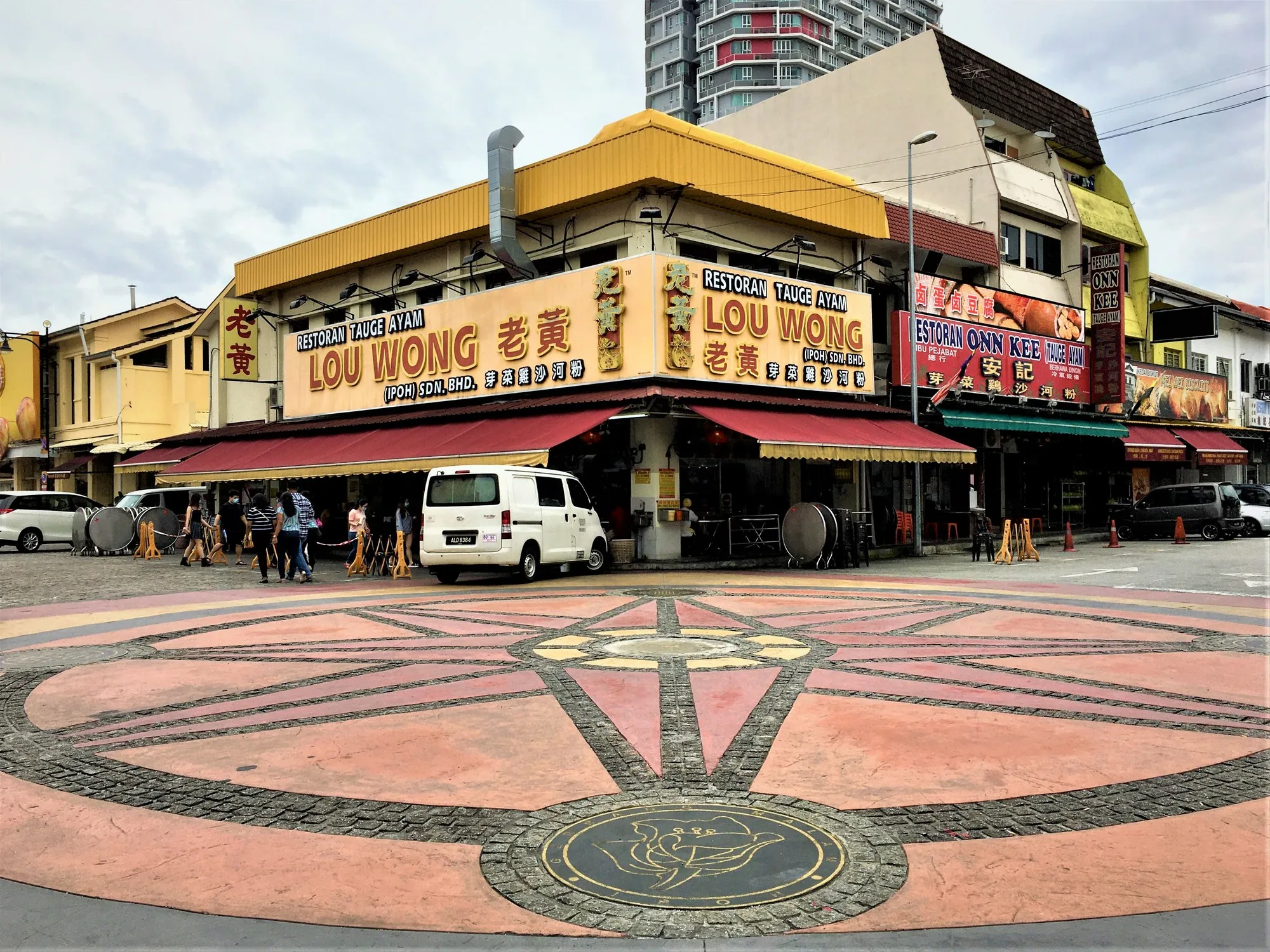
Why Is Ipoh So Famous for Food? The Story Behind It
More places in Ipoh
Landmarks and living heritage on the Aevum map of Ipoh.
- Heritage & Roots Han Chin Pet Soo
- Gastronomy Sin Yoon Loong
- Heritage & Roots Ipoh Railway Station
- Heritage & Roots Concubine Lane (Lorong Panglima)
- Religious & Sacred Sam Poh Tong
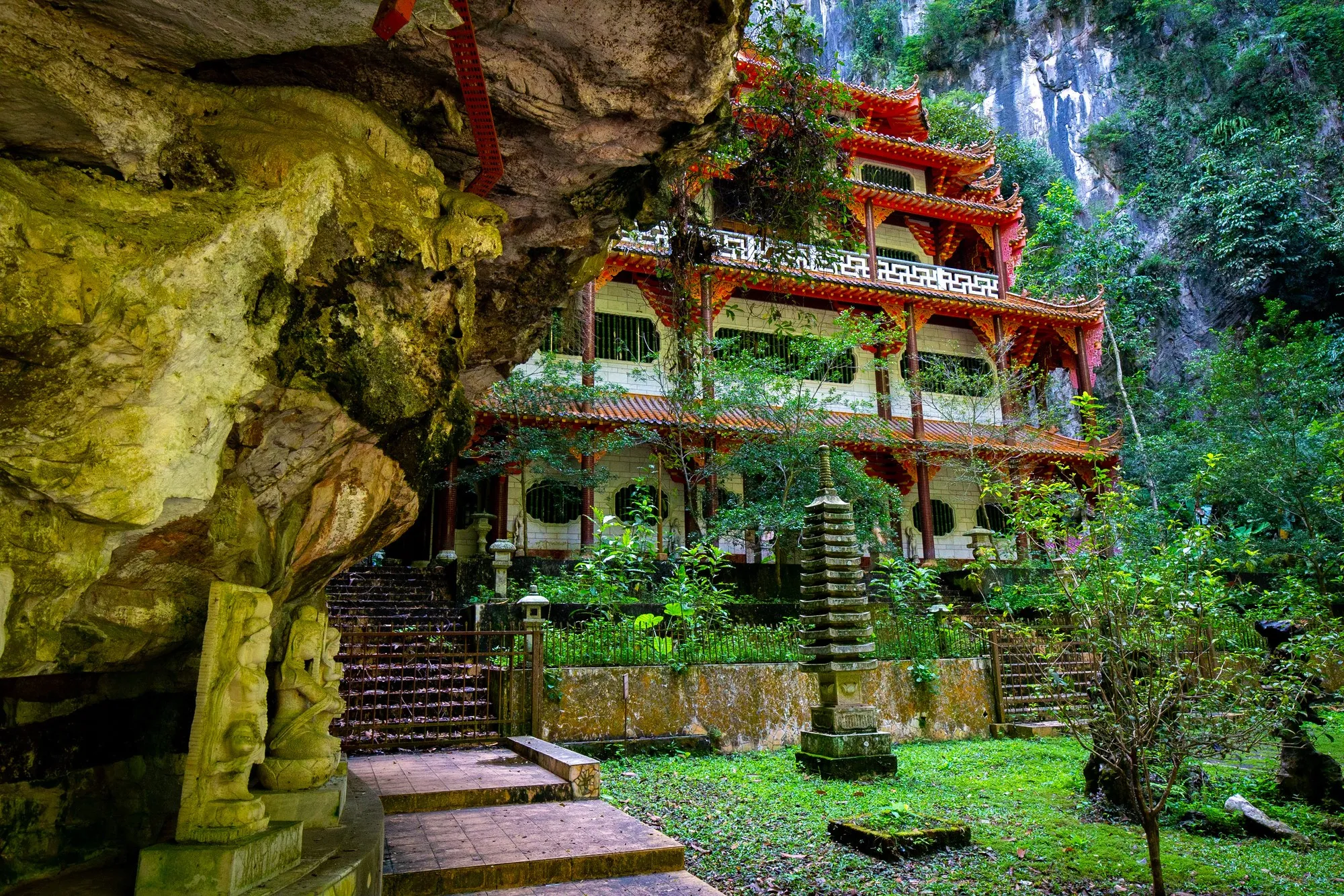
- Gastronomy Funny Mountain (奇峰) Funny Mountain (奇峰) is a tau fu fa stall near Jalan Yau Tet Shin, Ipoh, said to have begun as a 1950s pushcart and now run by a third generation.
- Heritage & Roots Kellie's Castle
- Gastronomy Nam Heong Nam Heong is an Ipoh Old Town coffee shop linked in travel writing to the start of white coffee, with egg tarts described as a signature.
- Religious & Sacred Perak Tong
- Gastronomy Kampung Kacang Putih, Buntong
- Religious & Sacred Kek Lok Tong
- Arts & Creative Ipoh Mural Art Lane
- Religious & Sacred Panglima Kinta Mosque
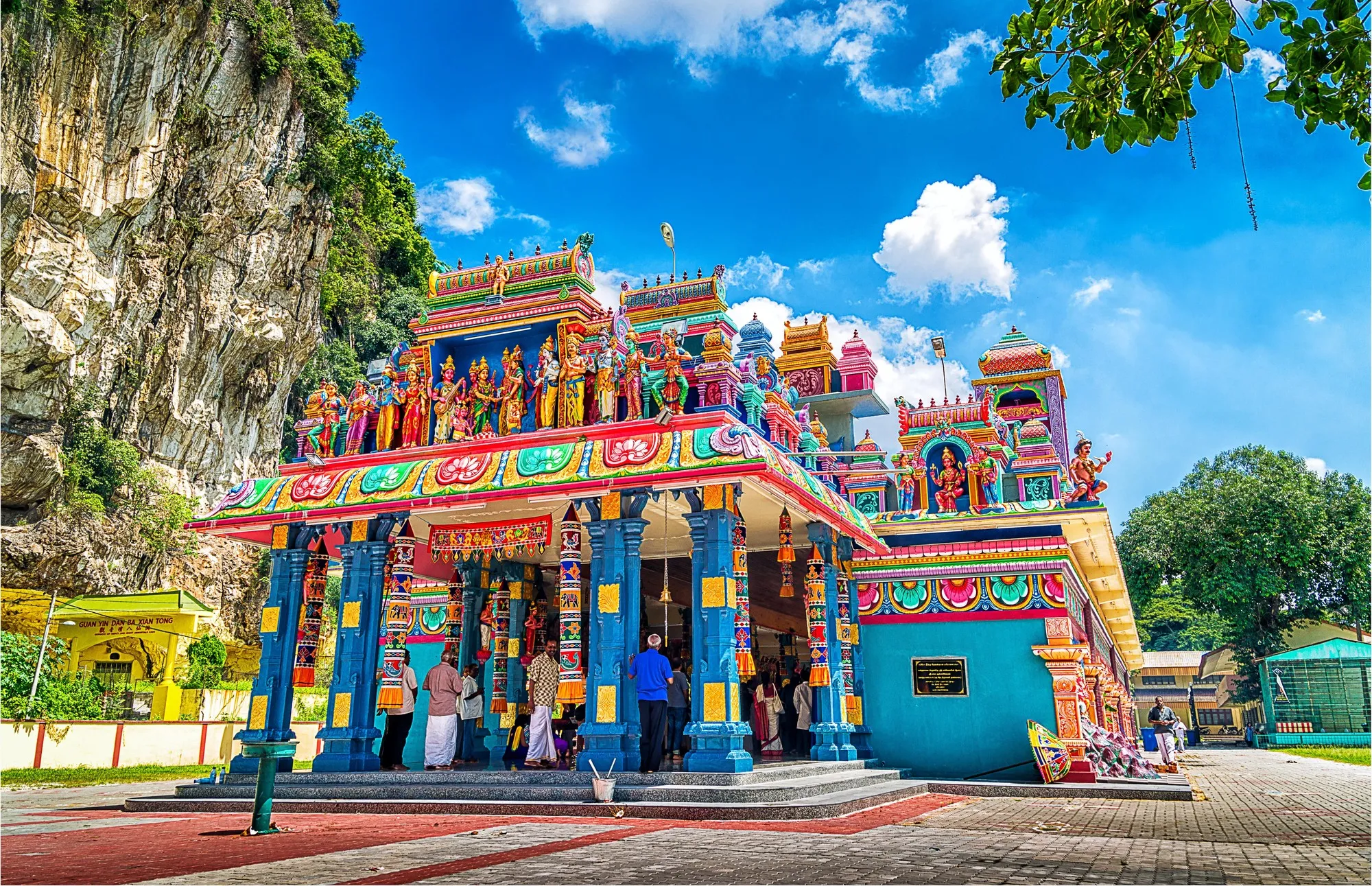
- Religious & Sacred Kallumalai Arulmigu Subramaniar Temple
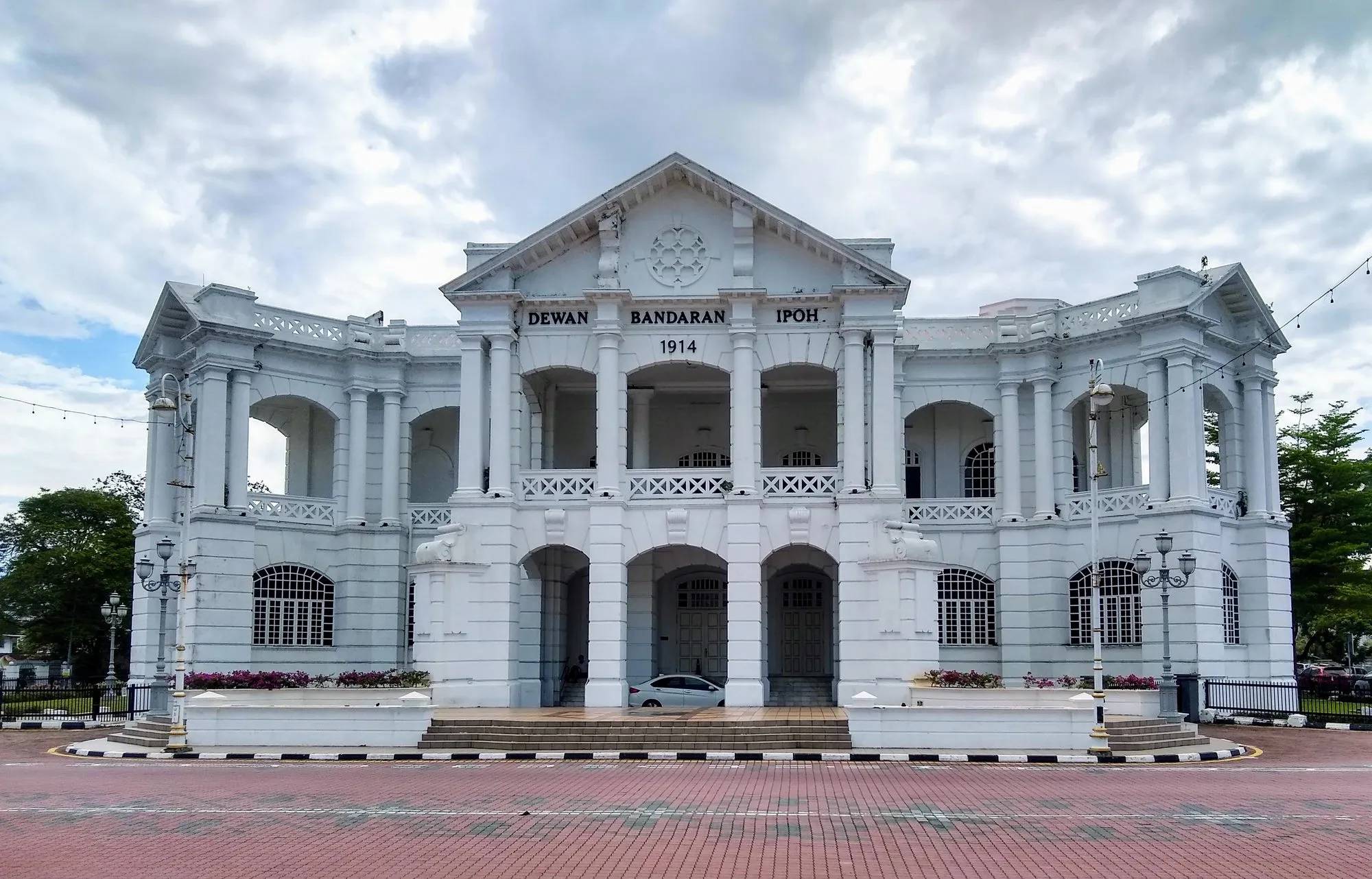
- Heritage & Roots Ipoh Town Hall
- Religious & Sacred Nam Thean Tong
- Religious & Sacred Kwong Fook Ngam
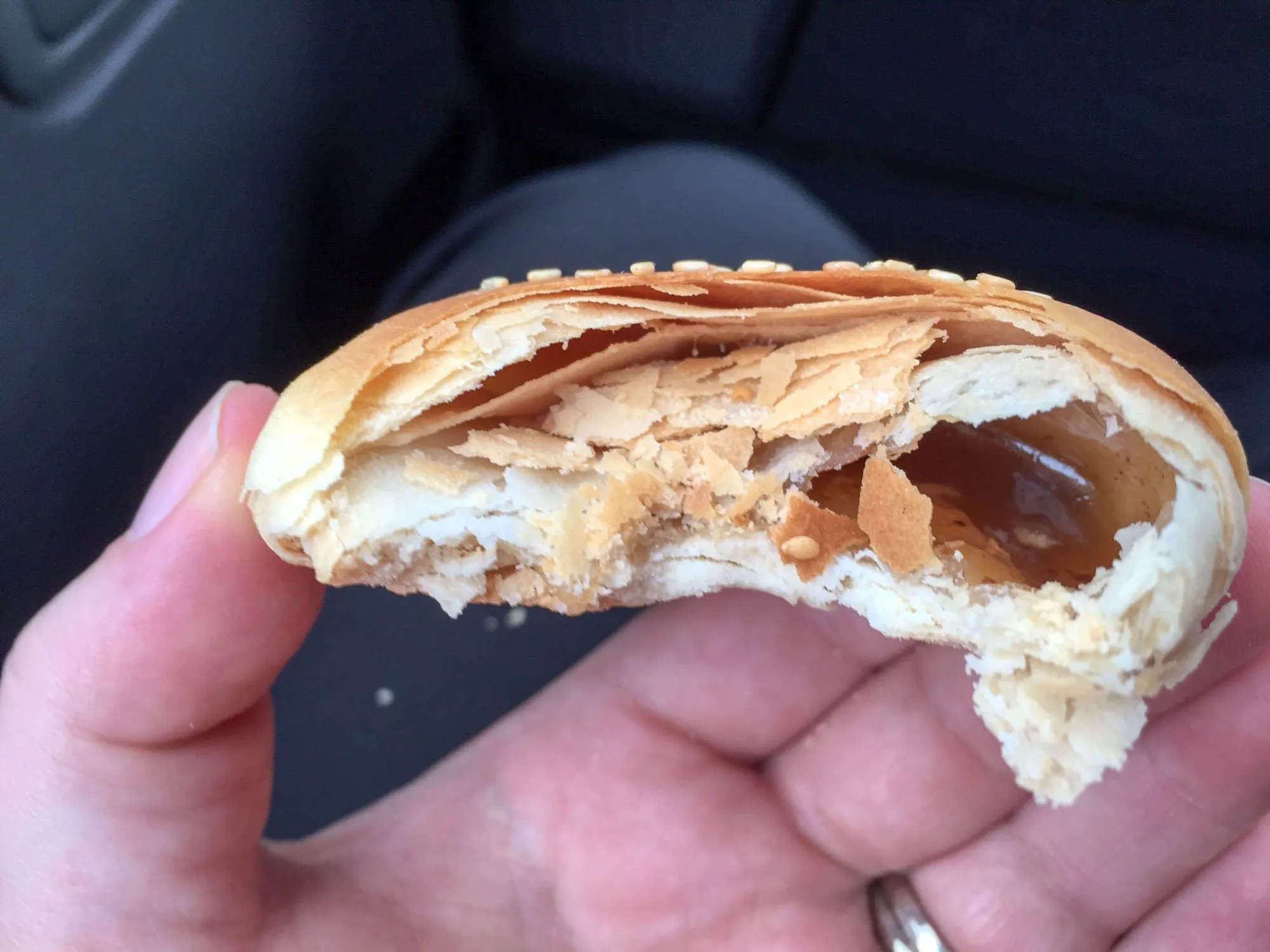
- Gastronomy Heong peng bakers, Gunung Rapat
Download the Aevum app to see all places
The full map of Ipoh, with the story behind every place, is in the app. The app is coming soon.
Download the Aevum app (coming soon)