Heritage & Roots · Railway station
Ipoh Railway Station
In short: Ipoh Railway Station is the white, domed building in Ipoh's Old Town, opposite the Town Hall. The government architect A. B. Hubback designed it, and it was built from 1914. It opened around 1915–1917, earned the nickname "the Taj Mahal of Ipoh", was gazetted as a heritage site in 2020, and trains still stop here.
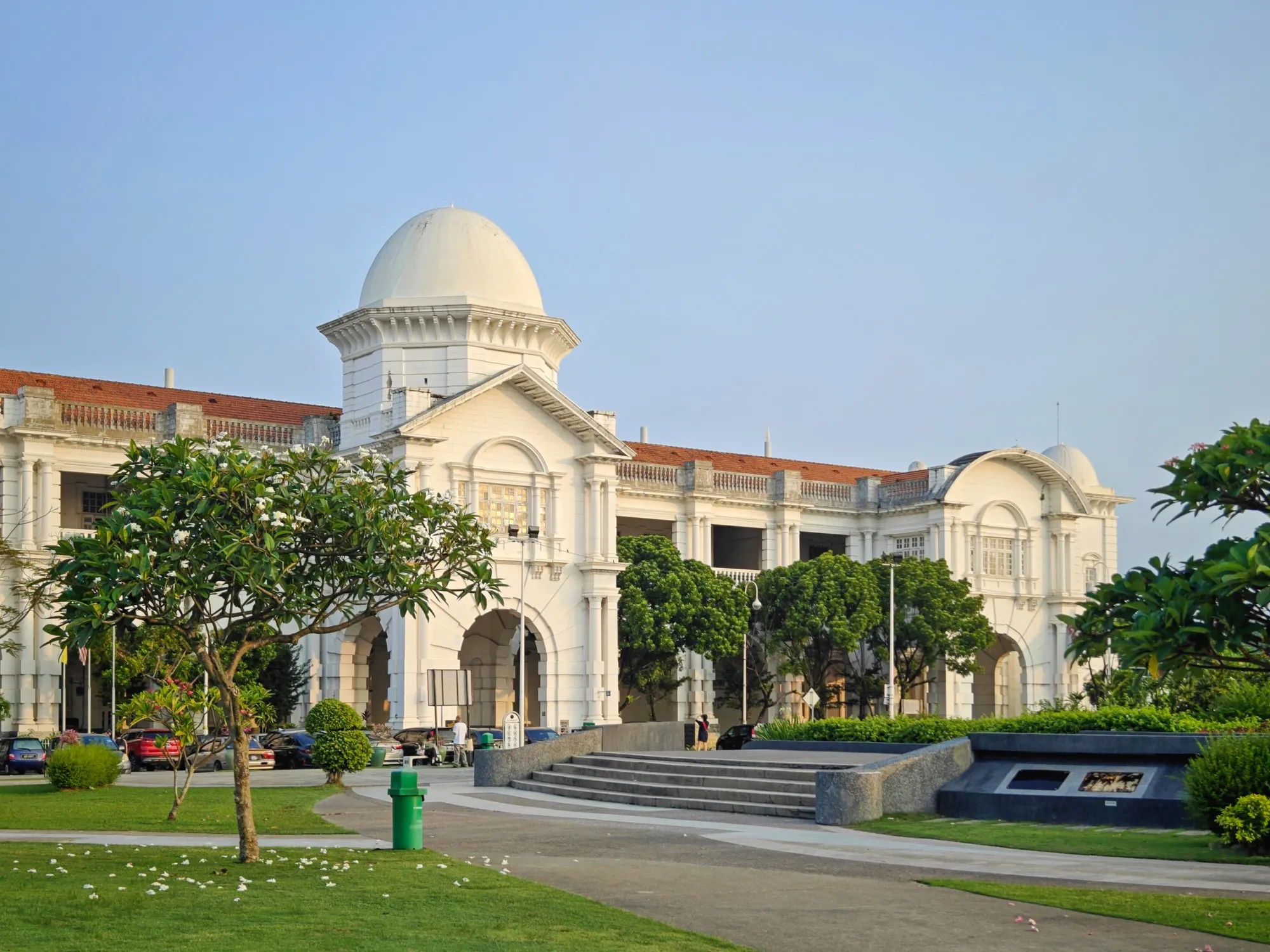
A station to match Kuala Lumpur
Today’s building is Ipoh’s second station; it replaced a modest wooden one. The story goes that after Kuala Lumpur’s grand station opened in 1911, Ipoh’s leading residents called for one that could match it. The job went to Arthur Benison Hubback, the government architect who had designed the Kuala Lumpur station. Construction began in 1914, as the First World War broke out.
What to look for
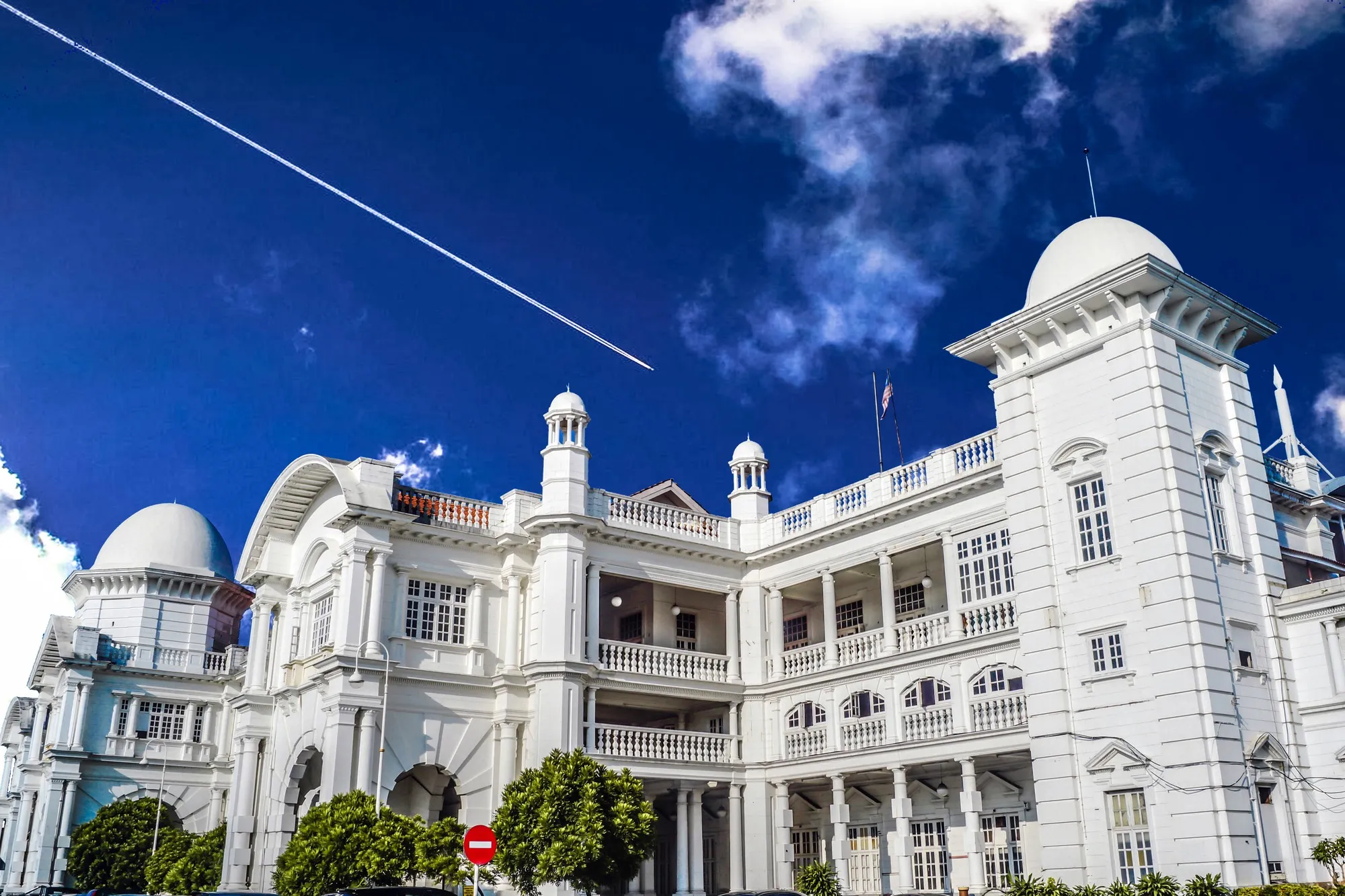
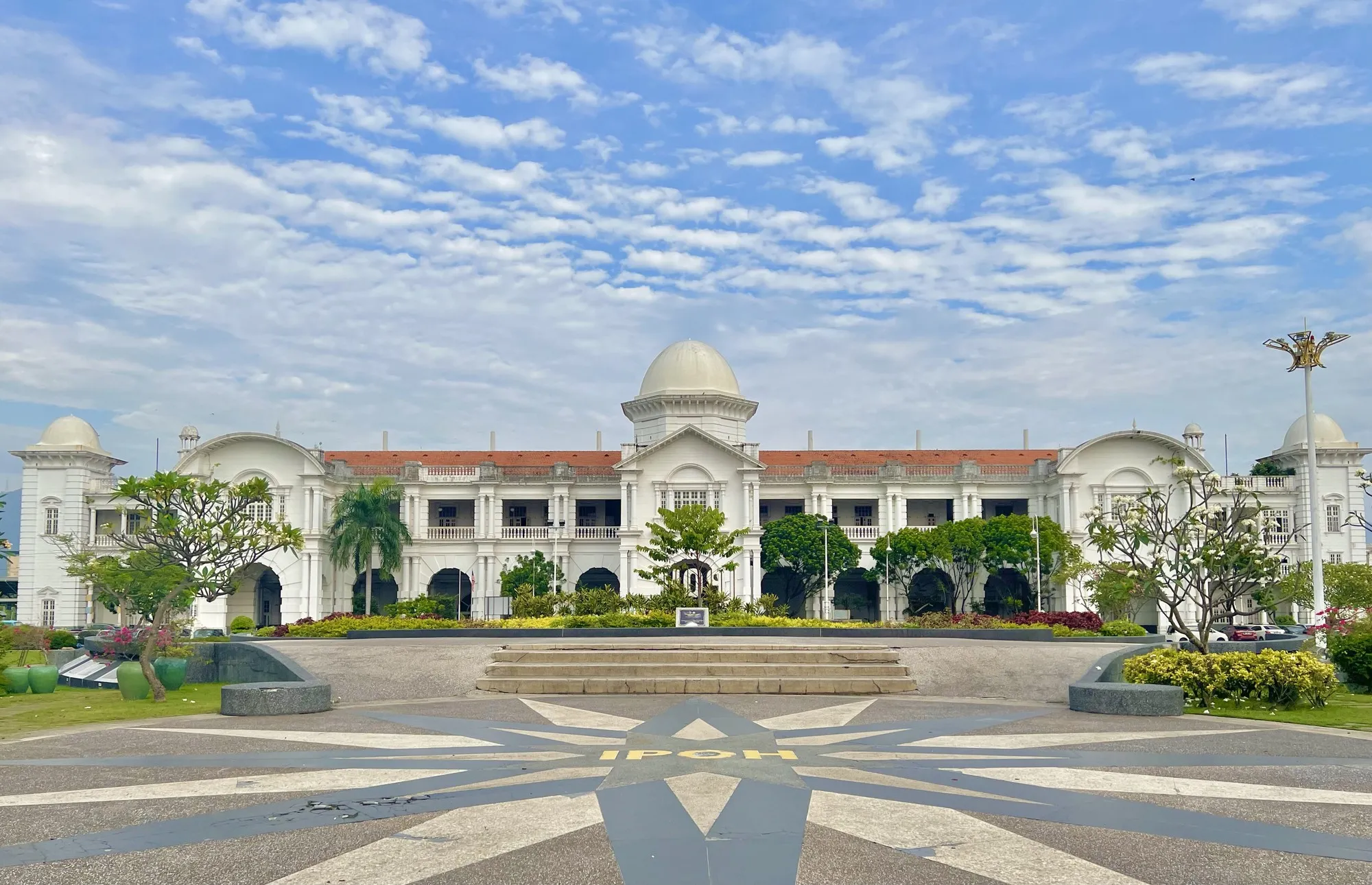
The station is three storeys high, its long white front topped with domes and small domed pavilions, known as chhatri, with rows of arches below. For much of the 20th century the upper floor was a hotel, latterly the Majestic Station Hotel. The open square in front holds a war memorial, and across it stands the Town Hall, also by Hubback.
The station today
The station is still in use. It is listed among Malaysia’s gazetted heritage sites, under a gazette of 20 November 2020. The Railway Assets Corporation, which owns the building, completed works on the station in May 2025 and says it plans to restore the hotel in phases. Read the full history of the station.
Photos
Questions
Why is Ipoh Railway Station called the Taj Mahal of Ipoh?
Because of its domes and small domed pavilions. Some writers call the style Mughal, and the Taj Mahal is the model of Mughal architecture, so the station became the "Taj Mahal of Ipoh". Others call it Indo-Saracenic or Neo-Classical.
When did Ipoh Railway Station open?
1917 is the usual date. Old newspaper reports suggest it opened to the public on 1 October 1915, with the Station Hotel upstairs following in May 1917.
Facts on this page come from Aevum's researched stories, which list their sources. Details can change, so check before you travel. Sources: Jabatan Warisan Negara, Tapak Warisan list; Ipoh City Council (MBI), "Info Ipoh"; Sin Chew Daily (2019); Ipoh Echo (2023, 2025); Free Malaysia Today (2020); britishmalaya.home.blog (2019); "Stesen Keretapi Ipoh" heritage inventory (pdfcoffee.com); Corey Ross, Environmental History (2014); The Star (2011, via Transit Malaysia); Malay Mail (2020); Railway Assets Corporation; Ipoh World; N. R. Jackson, Journal of Southeast Asian History (1963); Ho Tak Ming, Ipoh: When Tin Was King (Perak Academy, 2009), Introduction; Phin-Keong Voon, Malaysian Journal of Chinese Studies (2024); Zakaria et al., Planning Malaysia (2022); Perak Land and Mines Office (PTG Perak), Taiping district history; China Press (2020); 访问 The Interview; Malaysiakini column by Pek Wee Chuan; Malay Mail (2015, 2018); New Straits Times (2022); Ipoh Echo; Ministry of Water, Land and Natural Resources (2019); Lembah Kinta Geopark; Ahmad and Jones, Environment-Behaviour Proceedings Journal (2019); J. M. Pladdet, Wageningen University (2019).
Report an error · Something wrong, incomplete or culturally insensitive? Tell us and we aim to review it within 5 working days.
Also in this area
- Gastronomy Kong Heng
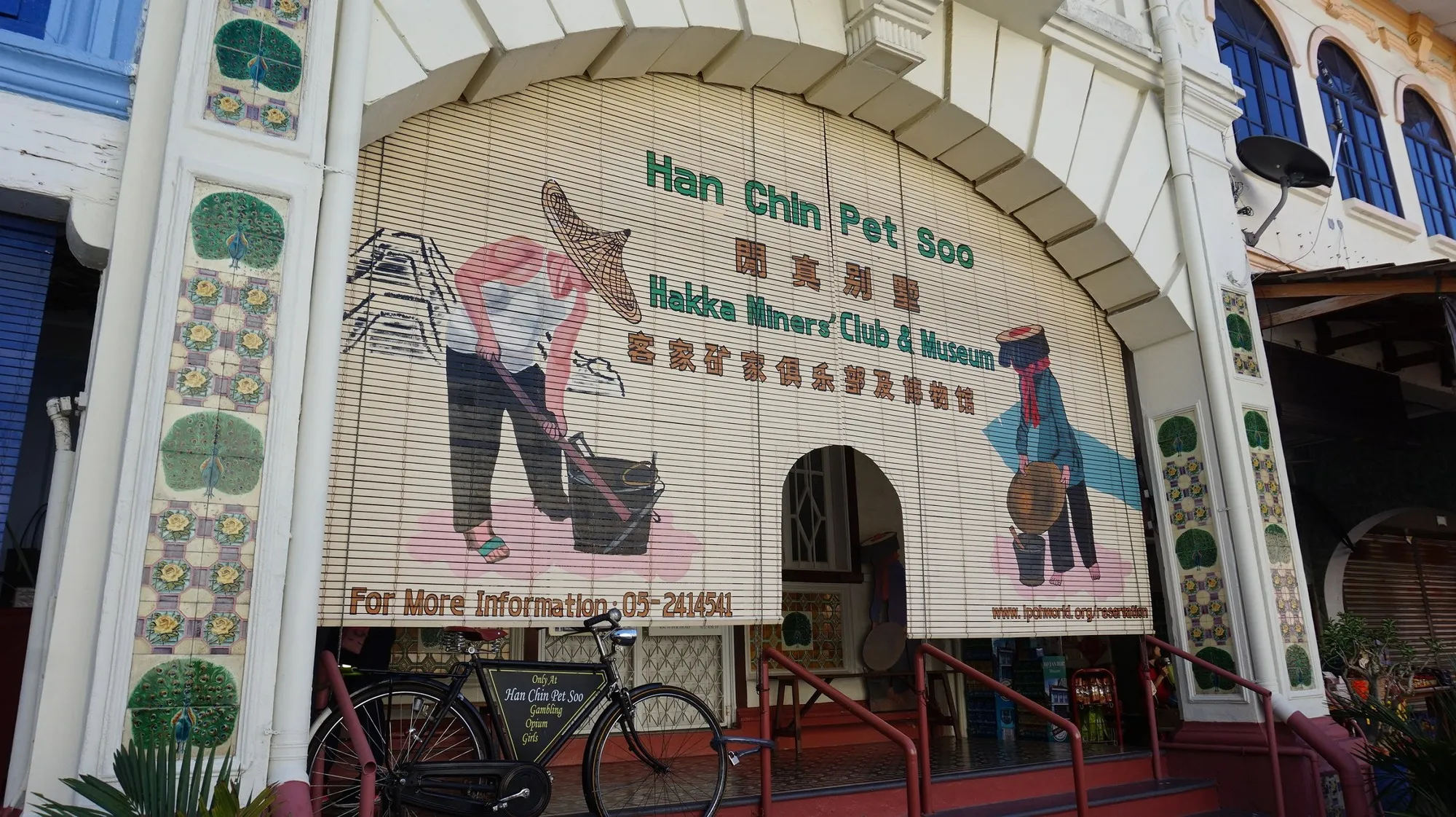
- Heritage & Roots Han Chin Pet Soo
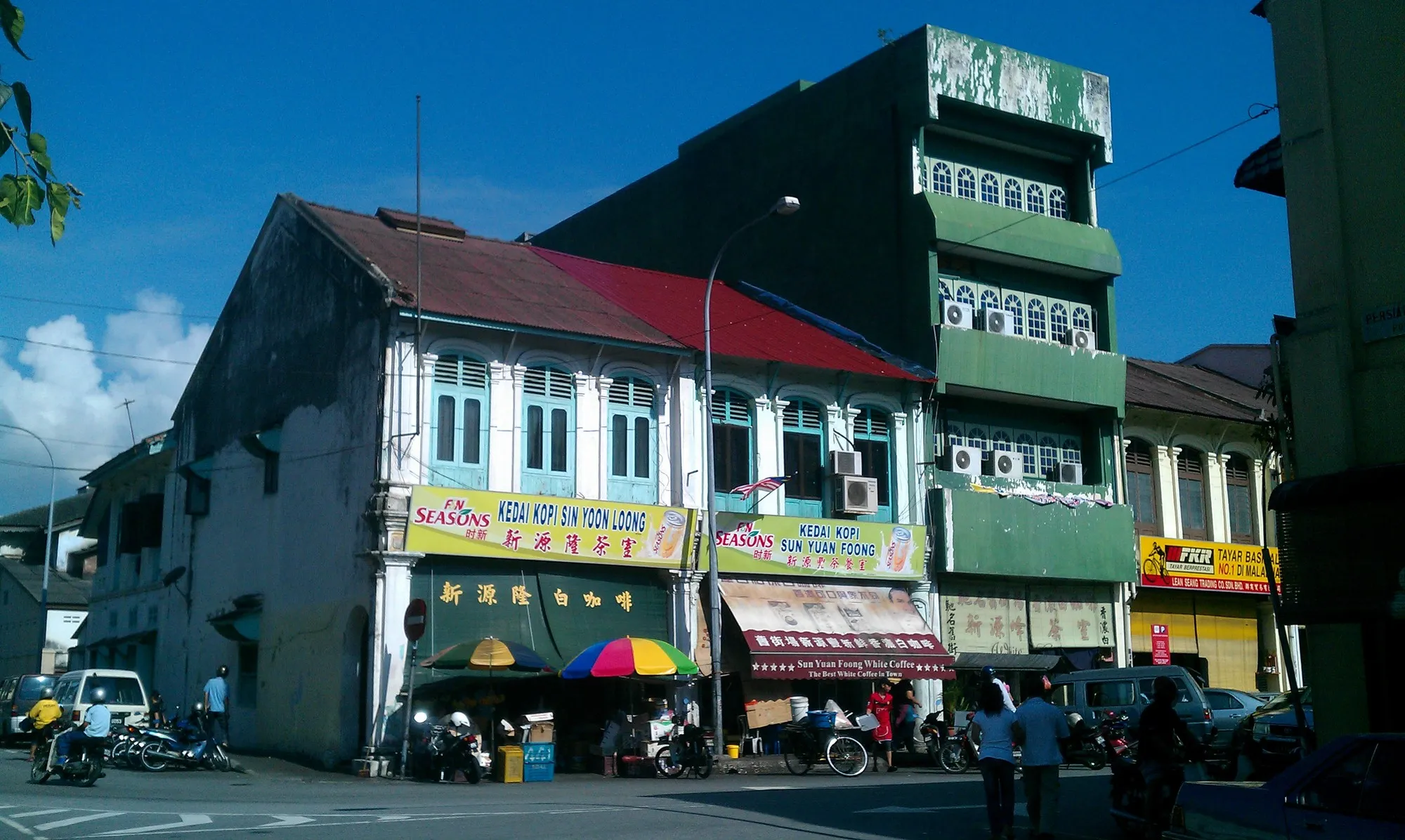
- Gastronomy Sin Yoon Loong
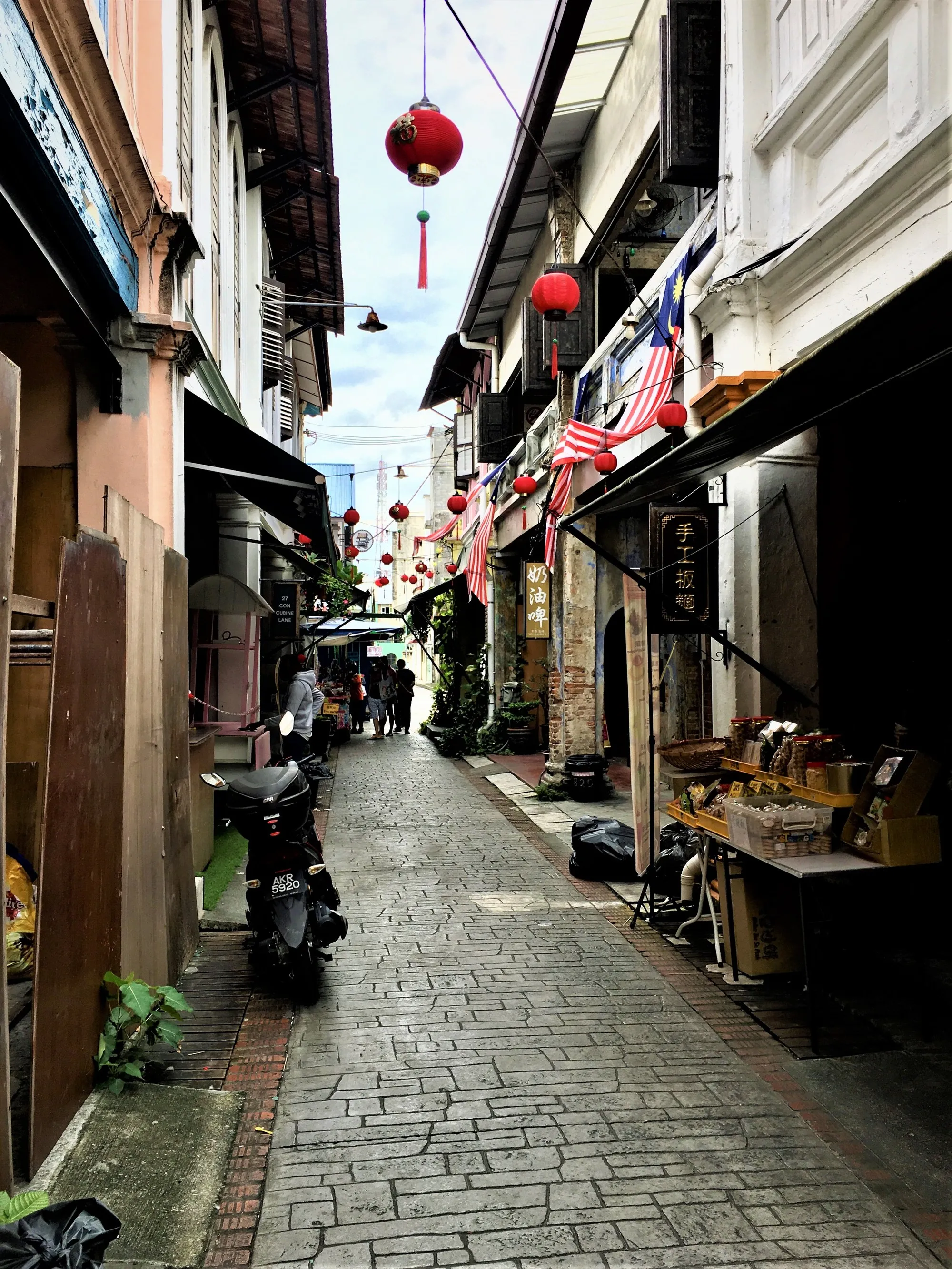
- Heritage & Roots Concubine Lane (Lorong Panglima)
- Gastronomy Nam Heong Nam Heong is an Ipoh Old Town coffee shop linked in travel writing to the start of white coffee, with egg tarts described as a signature.
- Arts & Creative Ipoh Mural Art Lane Ipoh Mural Art Lane is a back lane of murals started by local artist Eric Lai in 2013, launched as a community programme on Jalan Masjid in 2014.
Read the full story
Ipoh Railway Station: The Story of the 'Taj Mahal'
How Tin Made Ipoh: The Kinta Valley Story
More places in Ipoh
Landmarks and living heritage on the Aevum map of Ipoh.
- Gastronomy Kong Heng
- Heritage & Roots Han Chin Pet Soo
- Gastronomy Sin Yoon Loong
- Heritage & Roots Concubine Lane (Lorong Panglima)
- Religious & Sacred Sam Poh Tong
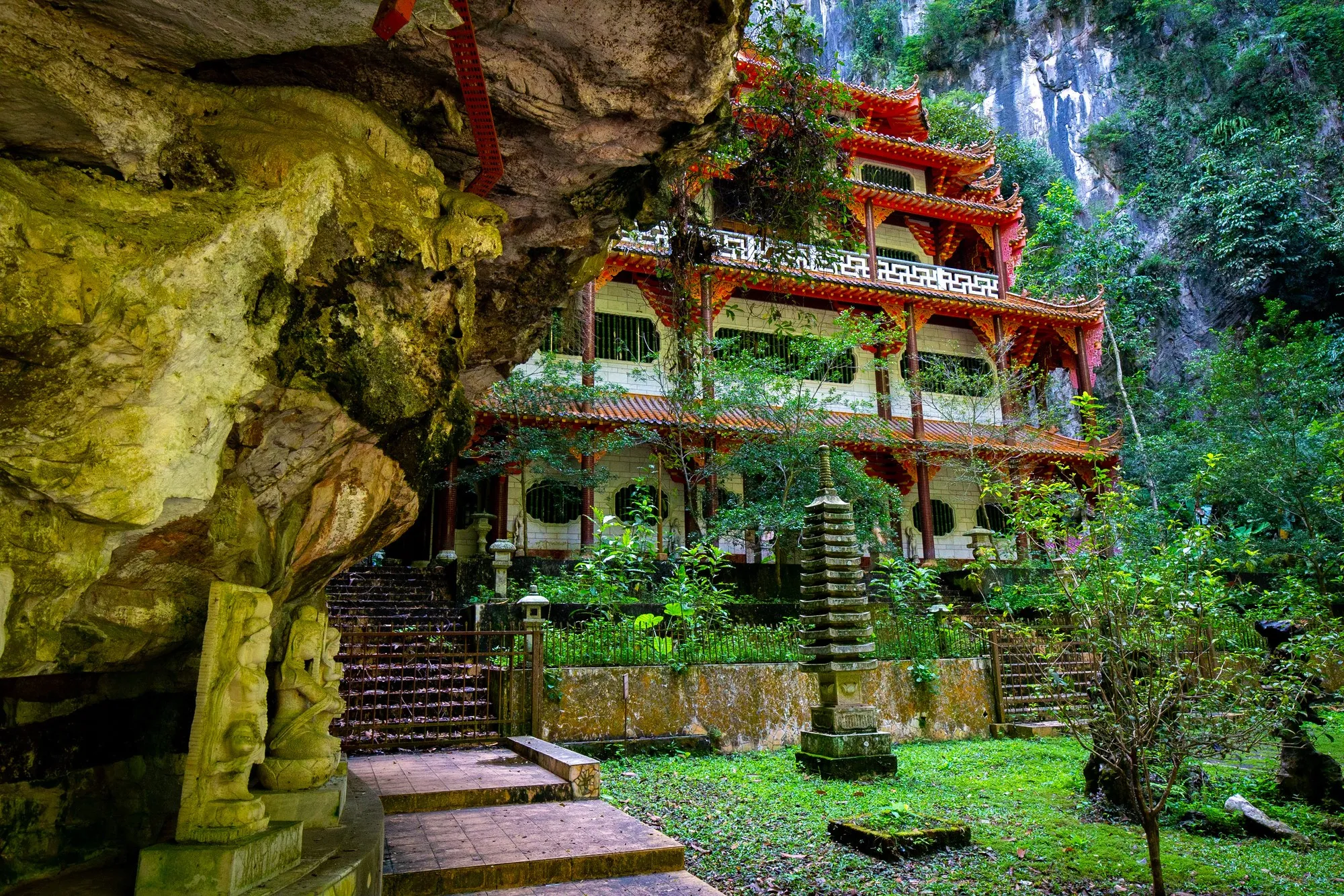
- Gastronomy Funny Mountain (奇峰) Funny Mountain (奇峰) is a tau fu fa stall near Jalan Yau Tet Shin, Ipoh, said to have begun as a 1950s pushcart and now run by a third generation.
- Heritage & Roots Kellie's Castle
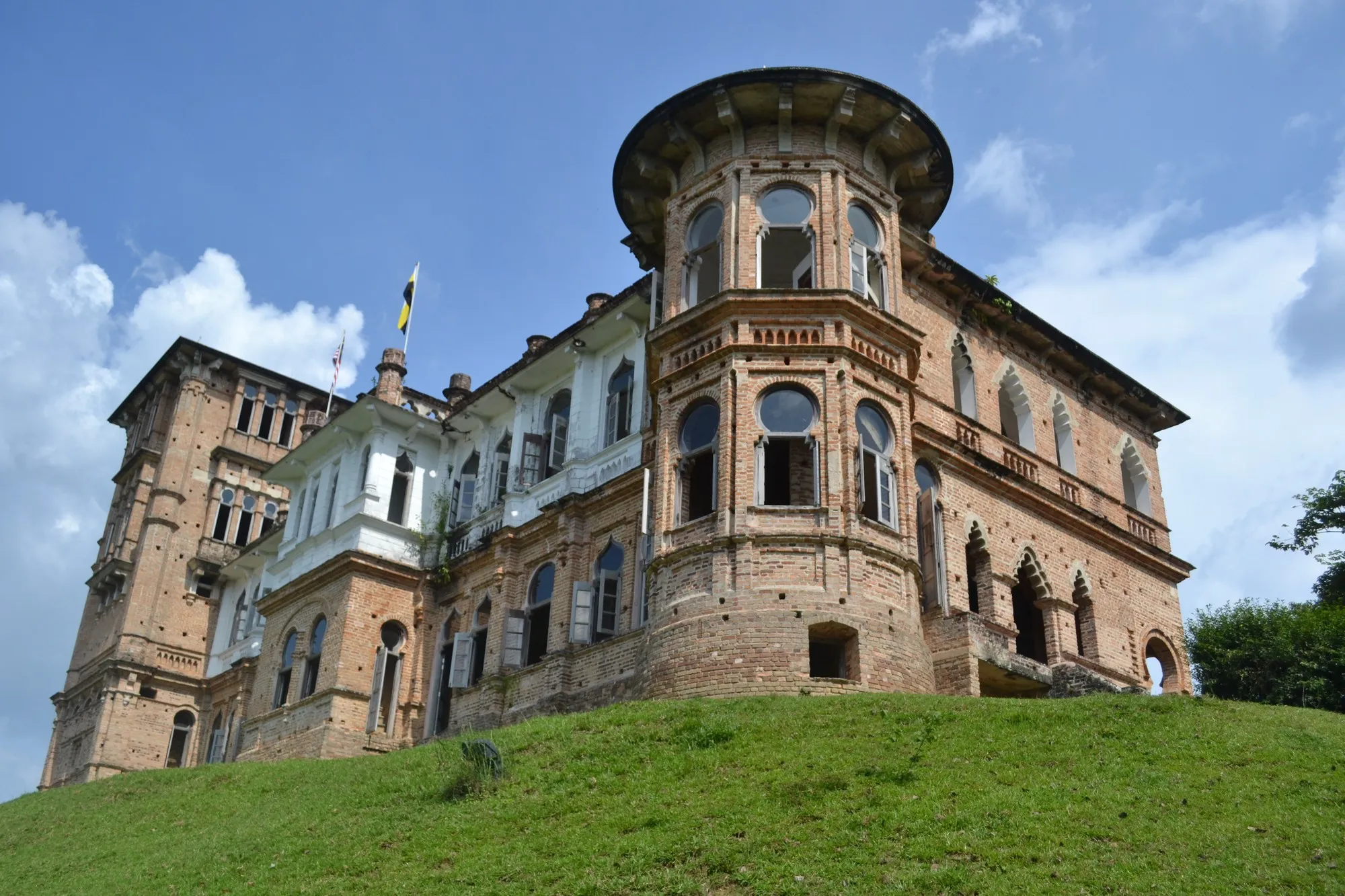
- Gastronomy Nam Heong Nam Heong is an Ipoh Old Town coffee shop linked in travel writing to the start of white coffee, with egg tarts described as a signature.
- Religious & Sacred Perak Tong
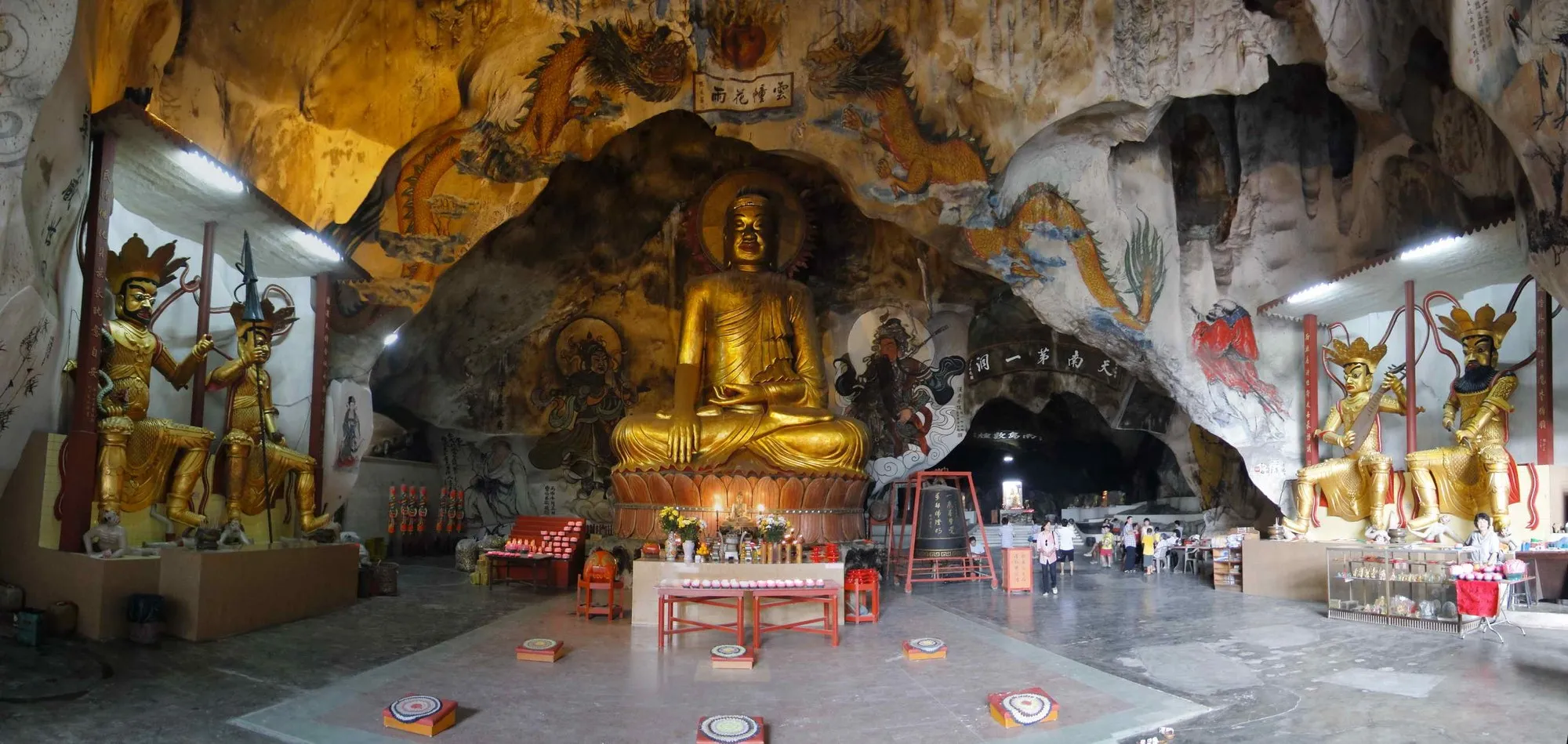
- Gastronomy Kampung Kacang Putih, Buntong
- Religious & Sacred Kek Lok Tong
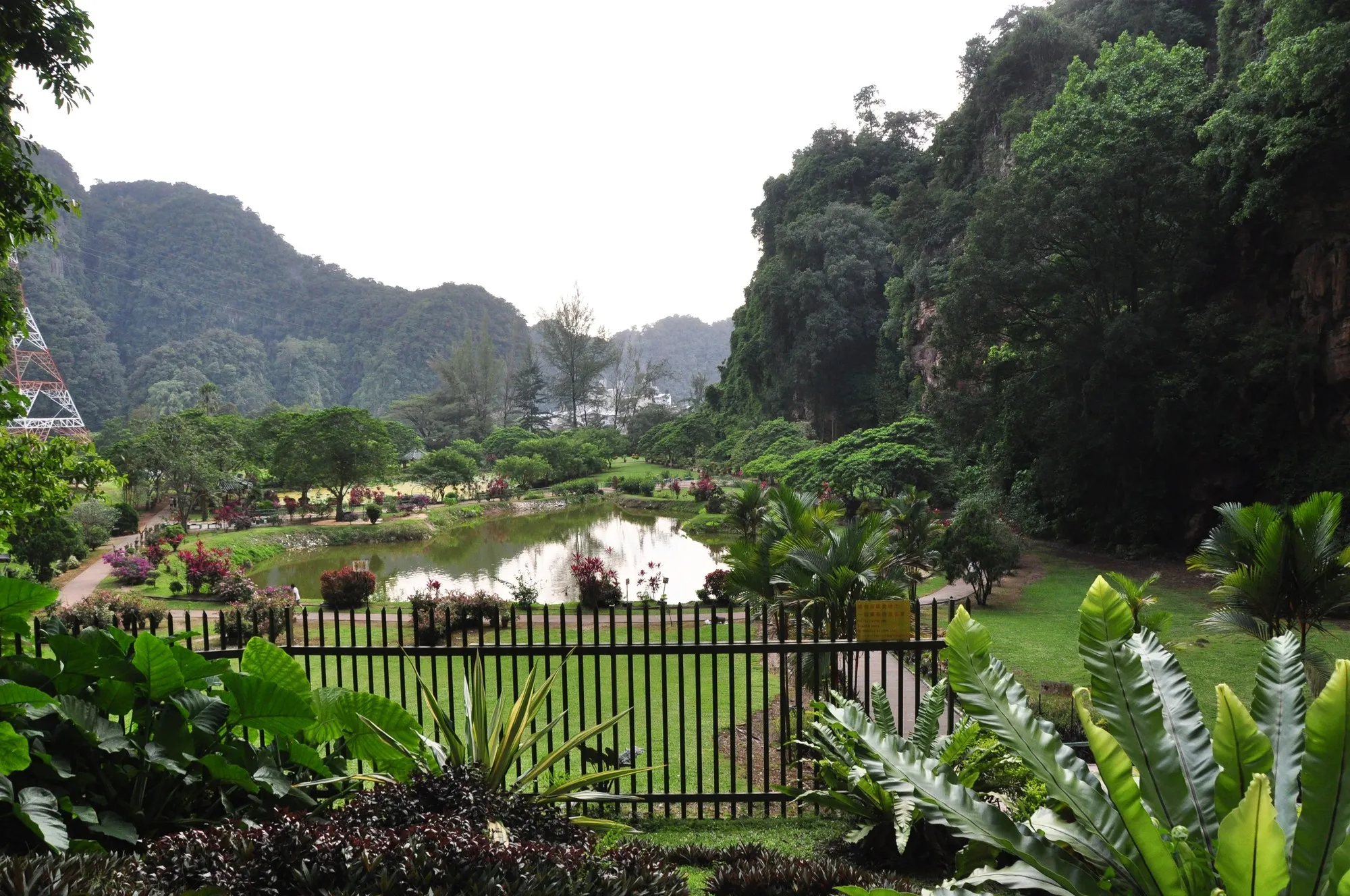
- Arts & Creative Ipoh Mural Art Lane
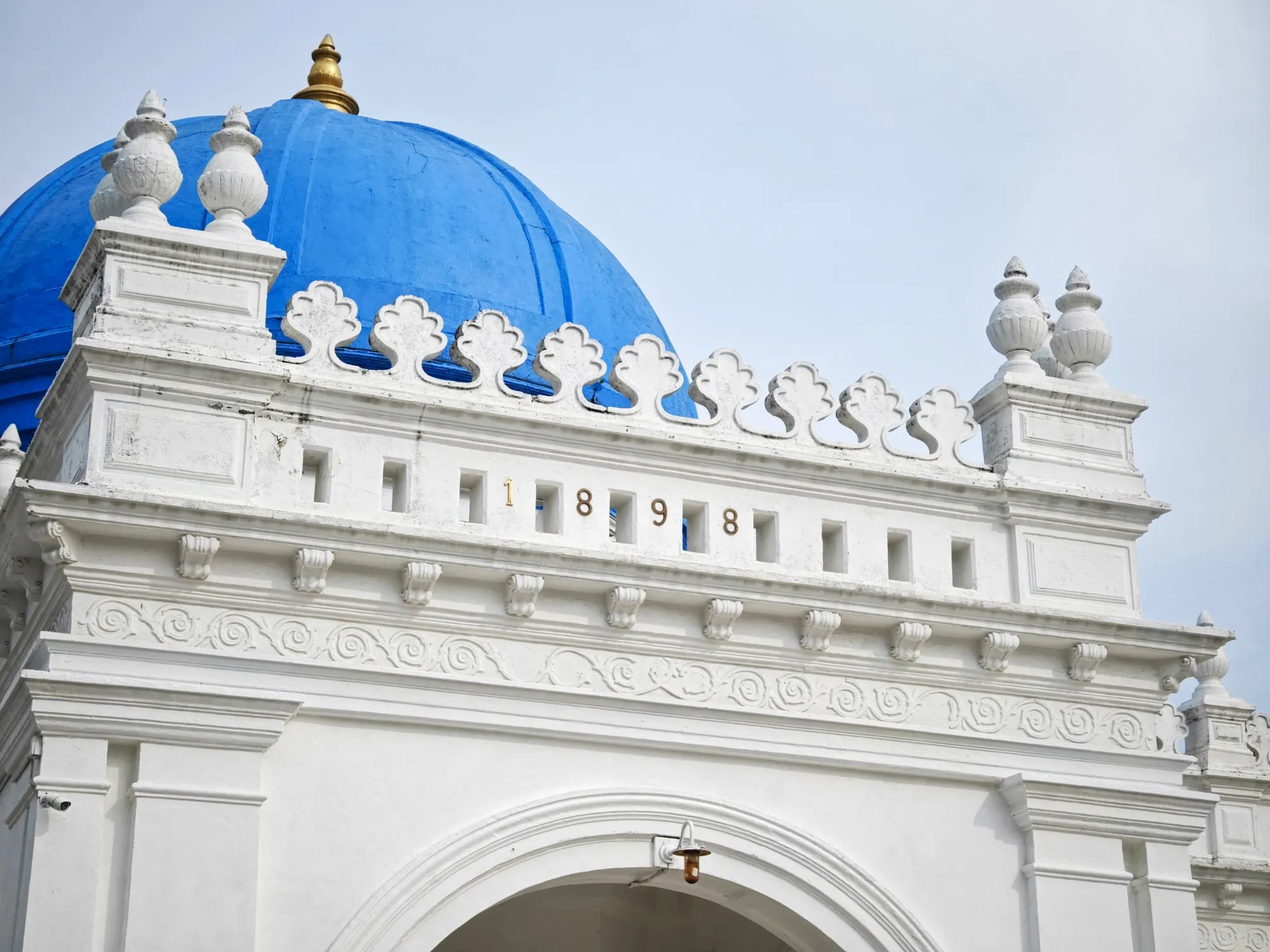
- Religious & Sacred Panglima Kinta Mosque
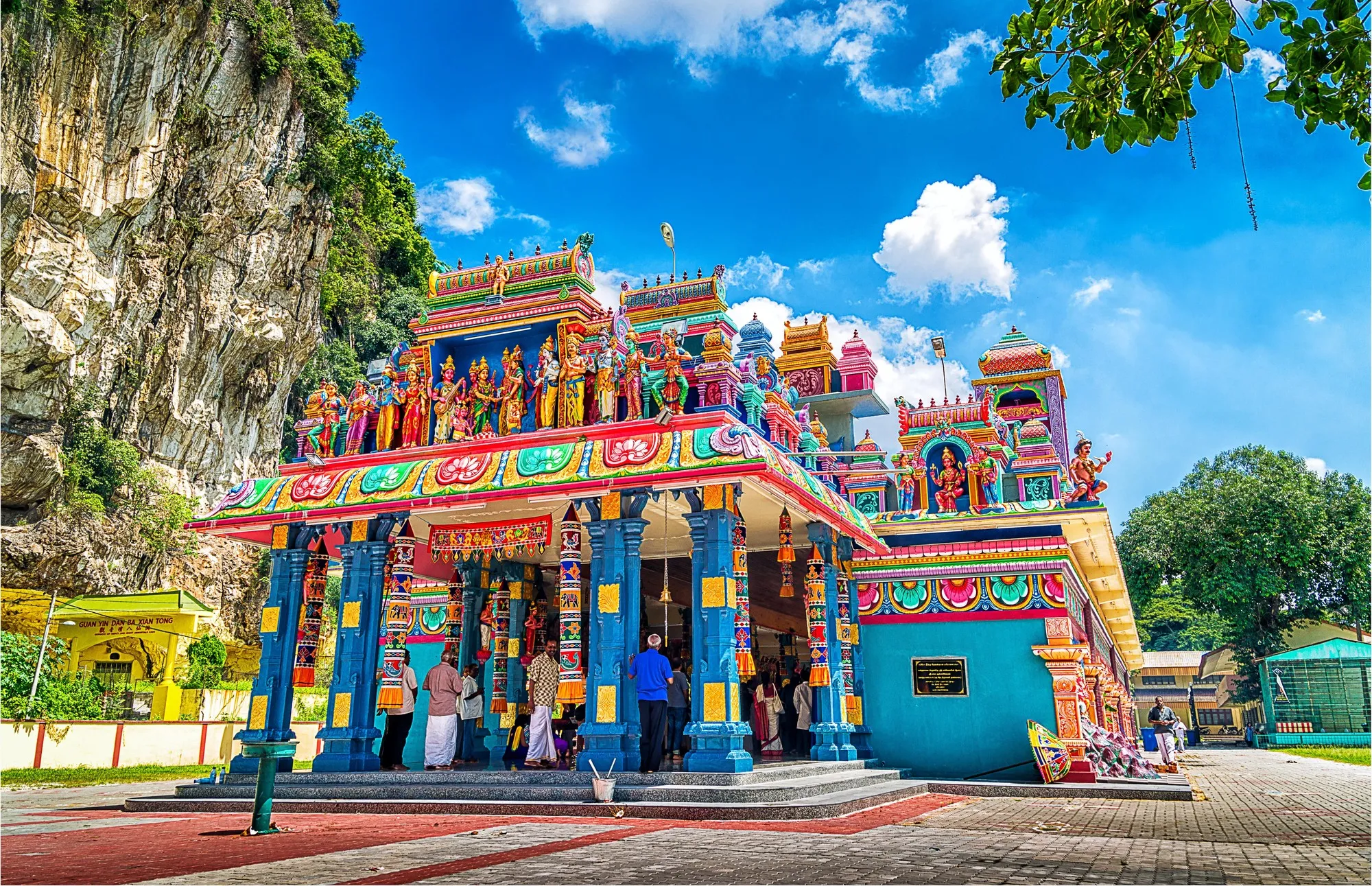
- Religious & Sacred Kallumalai Arulmigu Subramaniar Temple
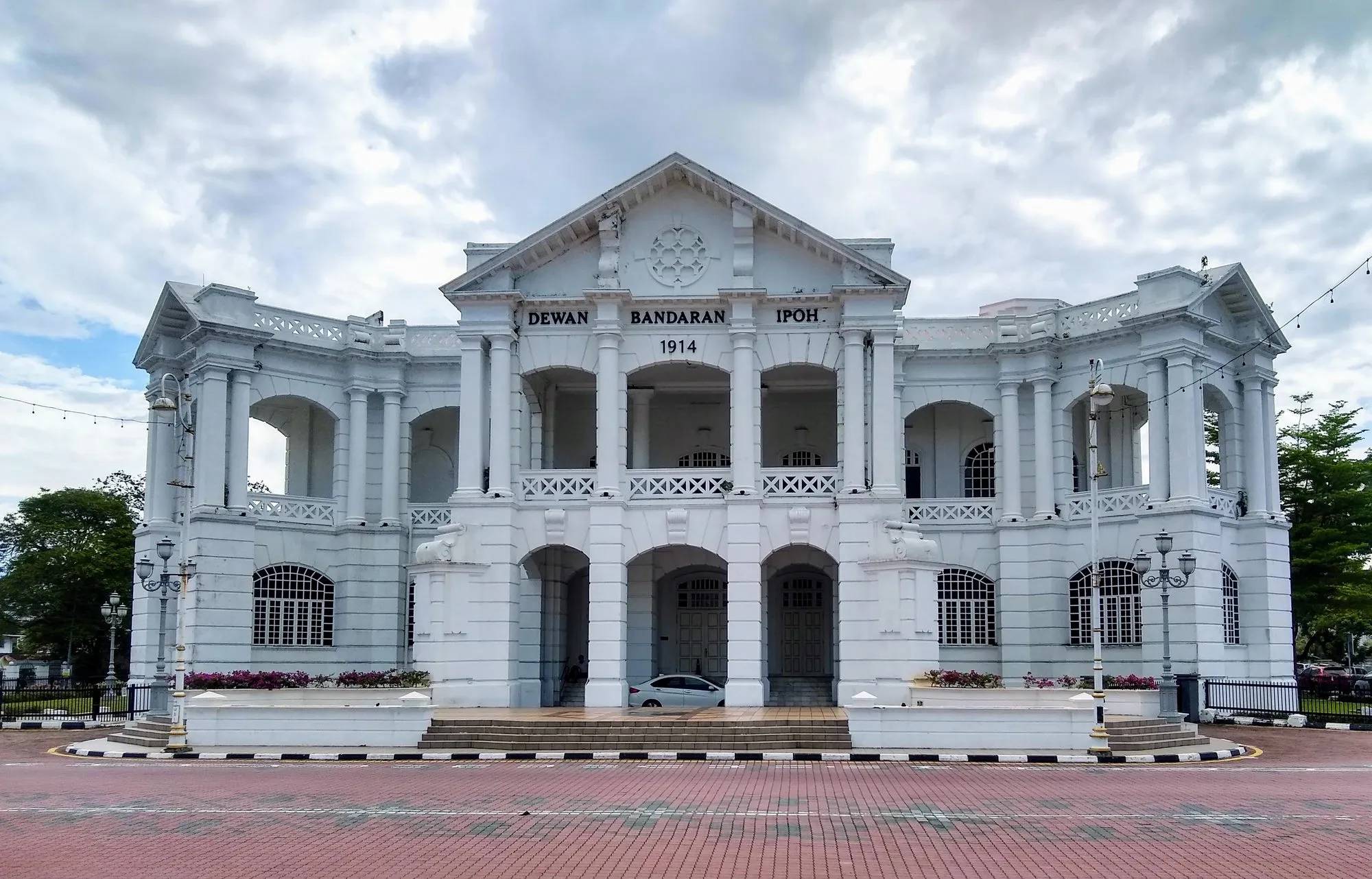
- Heritage & Roots Ipoh Town Hall
- Religious & Sacred Nam Thean Tong
- Religious & Sacred Kwong Fook Ngam
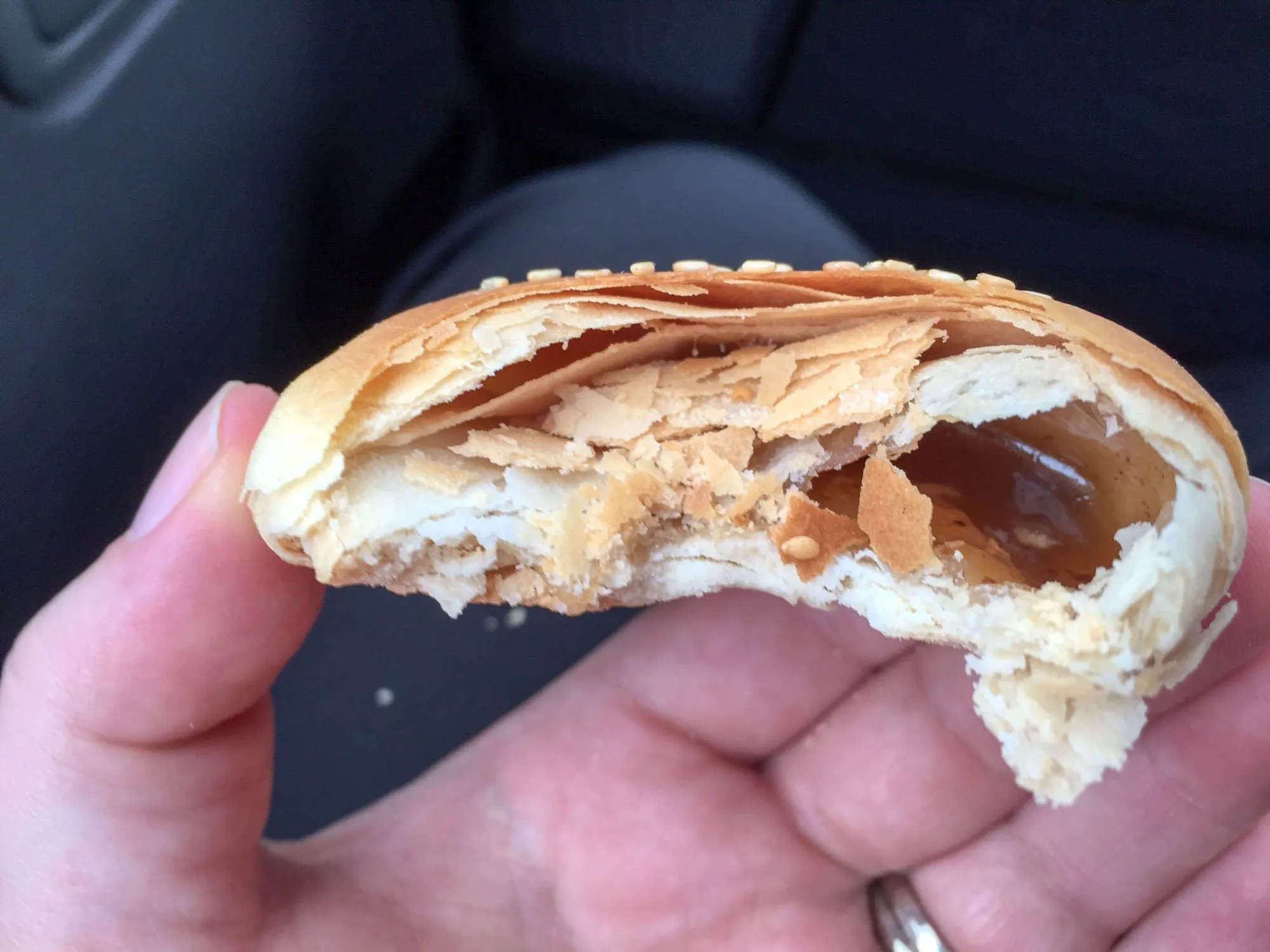
- Gastronomy Heong peng bakers, Gunung Rapat
Download the Aevum app to see all places
The full map of Ipoh, with the story behind every place, is in the app. The app is coming soon.
Download the Aevum app (coming soon)