Religious & Sacred · Hindu temple
Kallumalai Arulmigu Subramaniar Temple
In short: The Kallumalai Arulmigu Subramaniar Temple is a Hindu temple at the foot of the limestone cliffs of Gunung Cheroh, Ipoh. It is the focus of Thaipusam in the city, when celebrations run over three days. The temple's own account says worship began in a cave here in 1889.
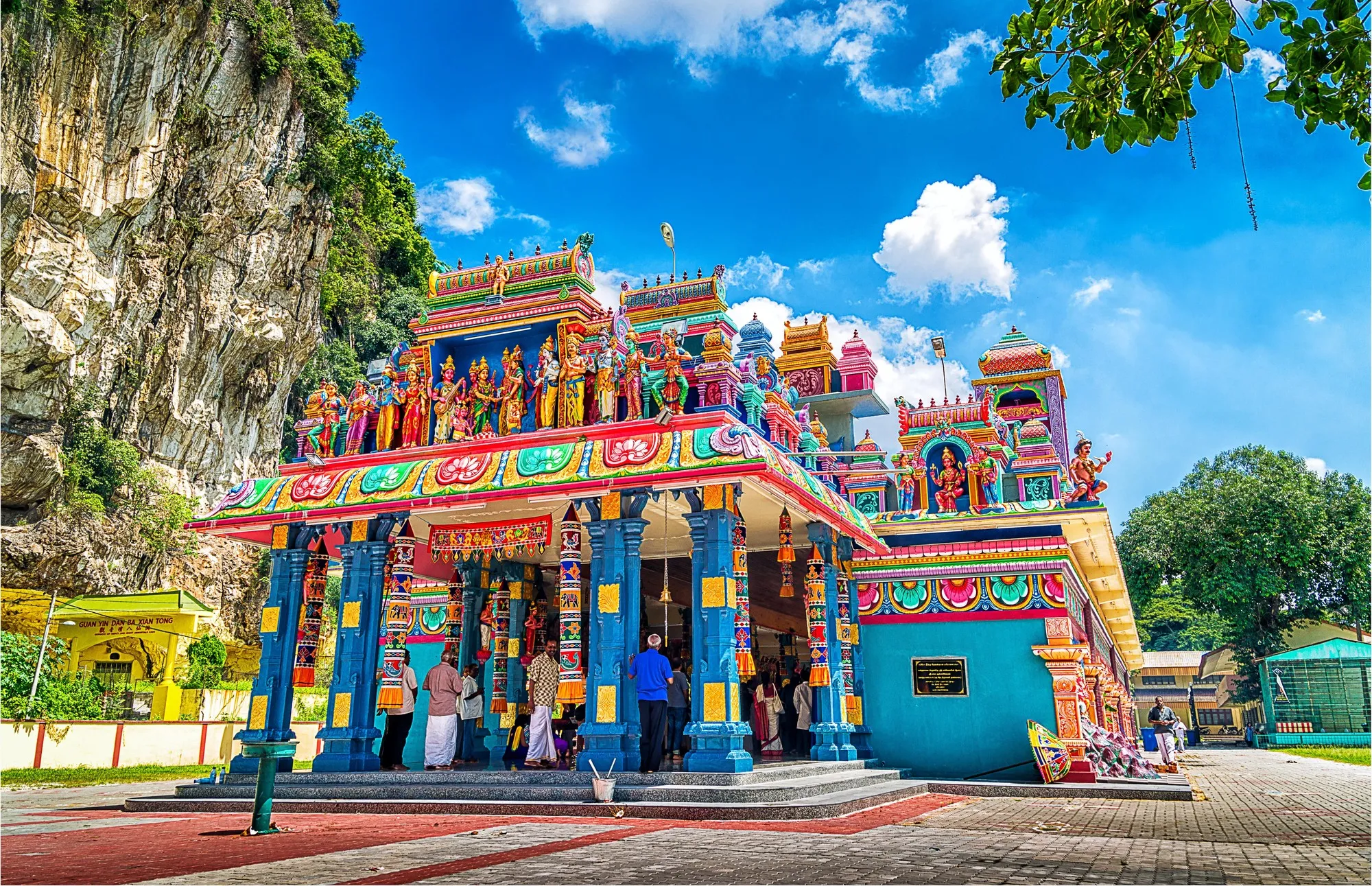
Thaipusam at Gunung Cheroh
The Kallumalai Arulmigu Subramaniar Temple is the focus of Thaipusam in Ipoh. Celebrations run over three days. A chariot procession usually sets out from the Sri Maha Mariamman Temple in Buntong for the hill temple on the eve of Thaipusam.
The temple’s origin story
The temple’s own account says worship began in a cave in 1889, after a stone-breaker heard a voice calling from the hill. This origin story is held as tradition by the temple and its devotees.
Faith in the limestone hills
Ipoh sits among limestone hills, part of the Kinta Valley National Geopark, and many of them hold places of worship. Faith here is living practice: when you visit, dress modestly and follow the guidance of the temple community. Read more in our guide to Ipoh’s cultural scene.
Questions
Where is Thaipusam celebrated in Ipoh?
At the Kallumalai Arulmigu Subramaniar Temple at Gunung Cheroh. Celebrations run over three days, and a chariot procession usually sets out from the Sri Maha Mariamman Temple in Buntong for the hill temple on the eve of Thaipusam.
How old is the Kallumalai temple?
The temple's own account says worship began in a cave in 1889, after a stone-breaker heard a voice calling from the hill. This origin story is held as tradition by the temple and its devotees.
Facts on this page come from Aevum's researched stories, which list their sources. Details can change, so check before you travel. Sources: Ipoh City Council (MBI), "Info Ipoh"; Ipoh World; Malay Mail (2014, 2015, 2018, 2023); Ipoh Echo (2014, 2023); Free Malaysia Today (2020); britishmalaya.home.blog (2019); Zakaria et al., Planning Malaysia (2022); SISMIM mosque registry (Jabatan Kemajuan Islam Malaysia); UiTM Perak symposium paper (2012); Bernama; J. M. Pladdet, Wageningen University (2019); Utusan Malaysia (2023); NUS Libraries (2022); Tourism Perak; Toh Teong Chuan, Malaysiakini column (2017); Tan Ai Boay, International Journal of Heritage, Art and Multimedia (2021); kaumaram.com (temple history); Marketing-Interactive (2014); New Straits Times (2022).
Report an error · Something wrong, incomplete or culturally insensitive? Tell us and we aim to review it within 5 working days.
Read the full story
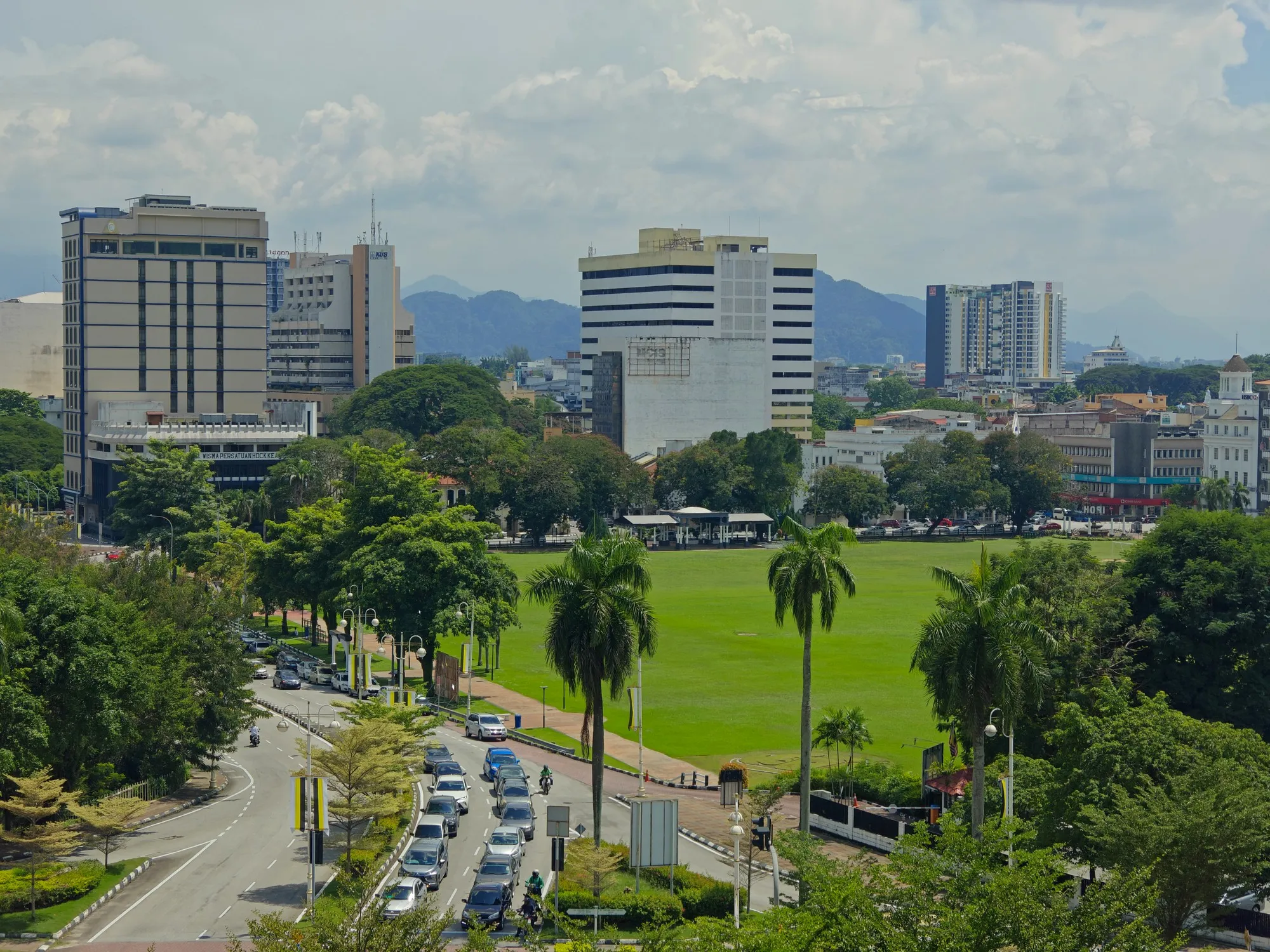
More places in Ipoh
Landmarks and living heritage on the Aevum map of Ipoh.
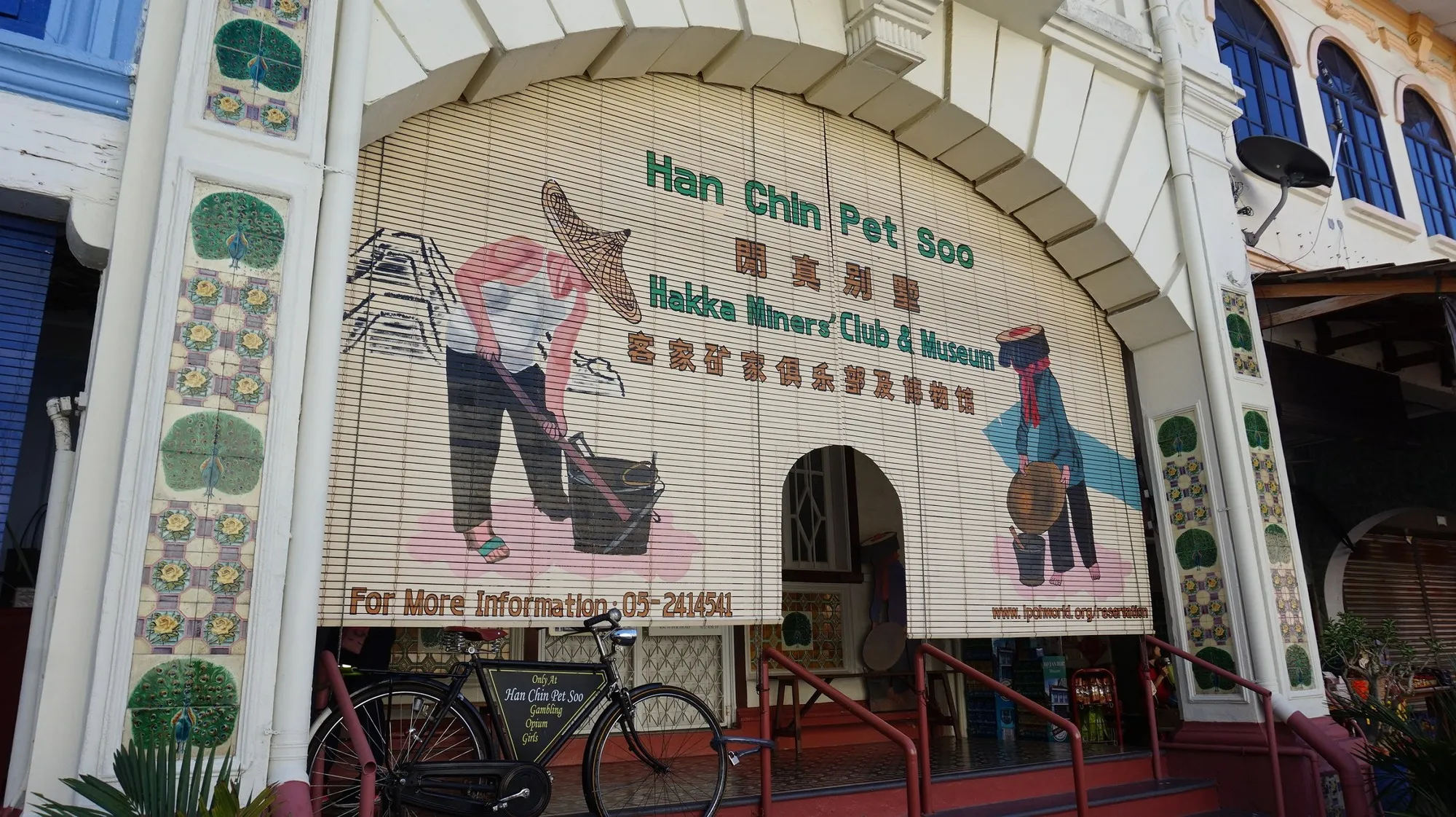
- Gastronomy Kong Heng
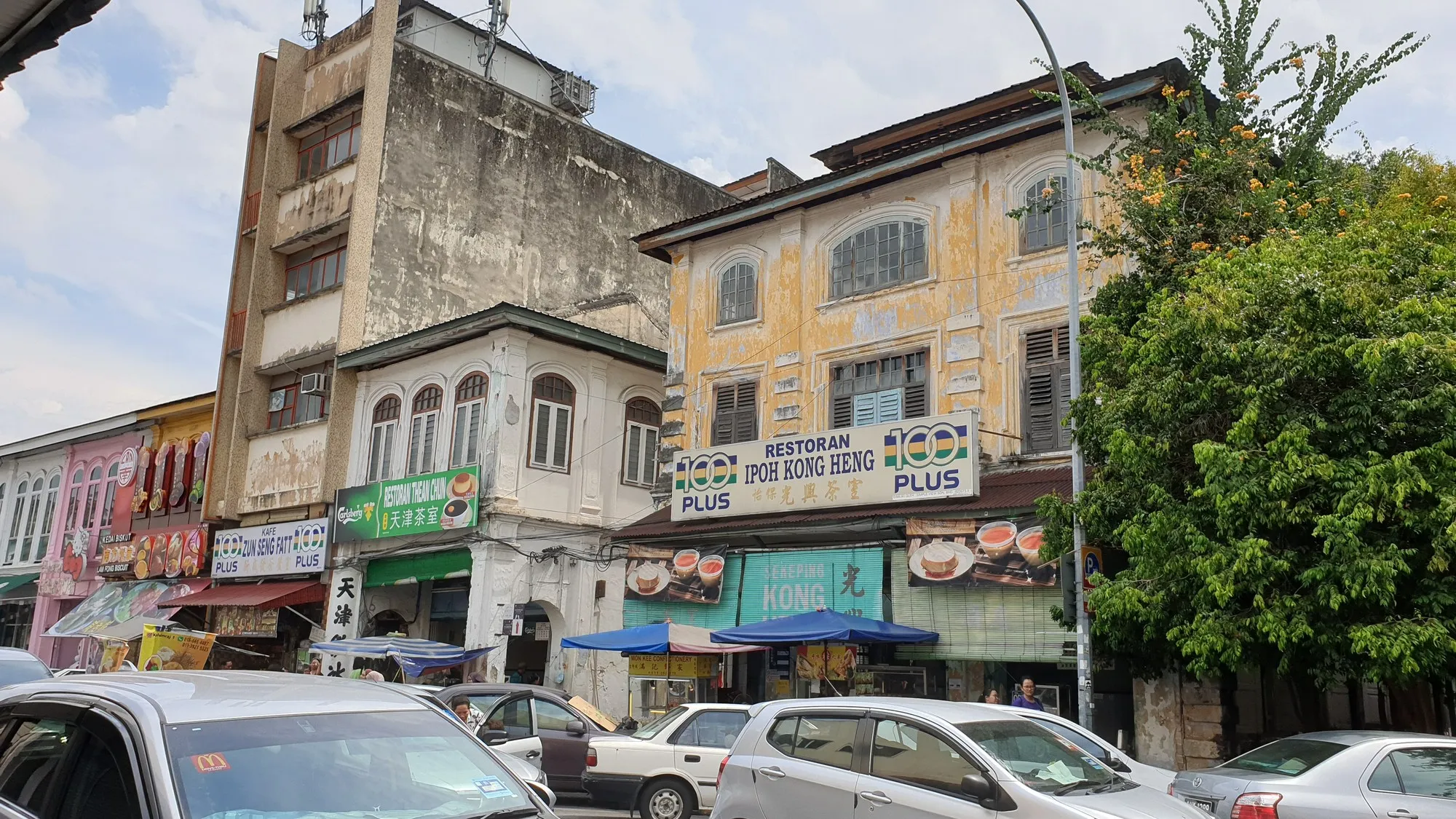
- Heritage & Roots Han Chin Pet Soo
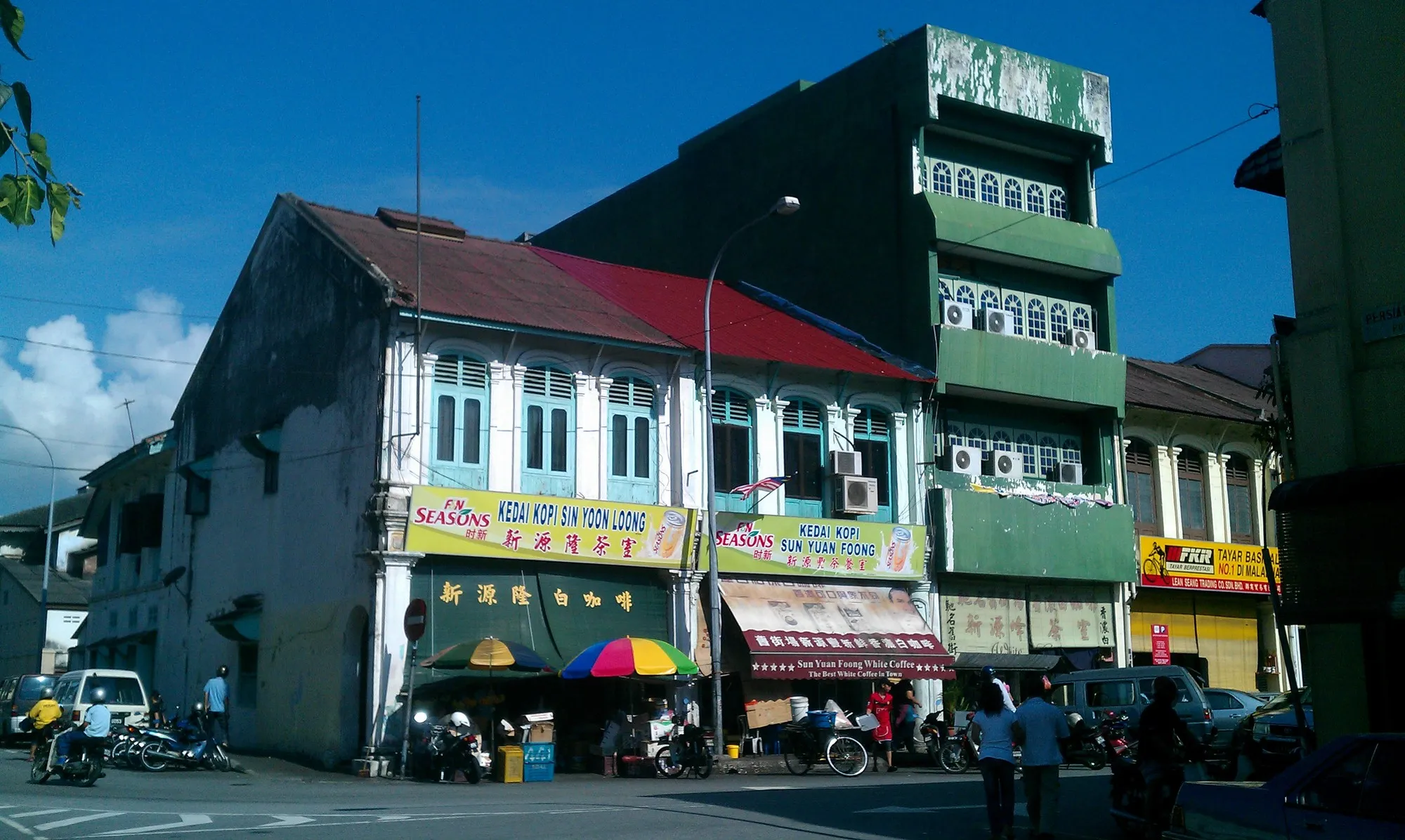
- Gastronomy Sin Yoon Loong
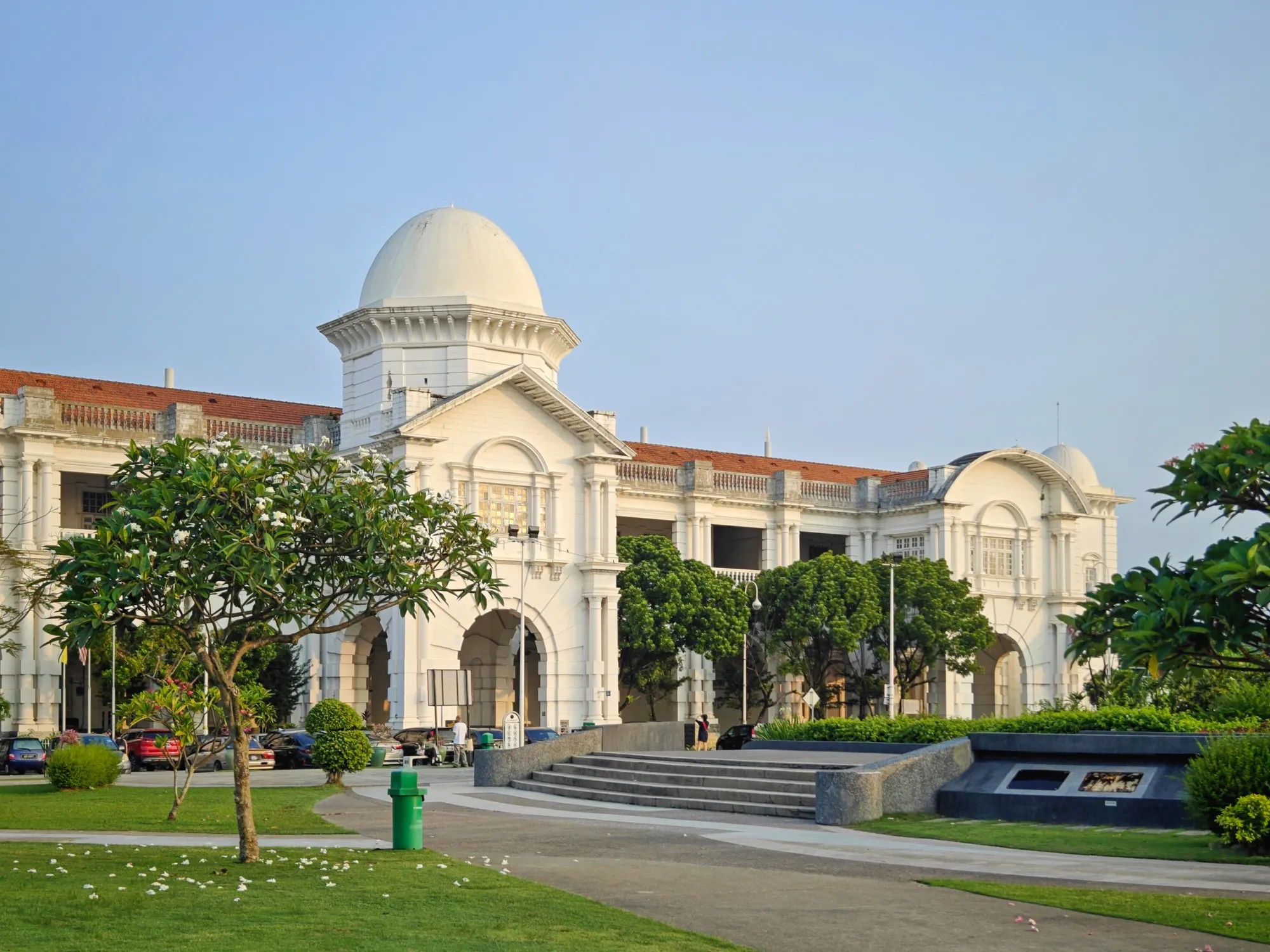
- Heritage & Roots Ipoh Railway Station
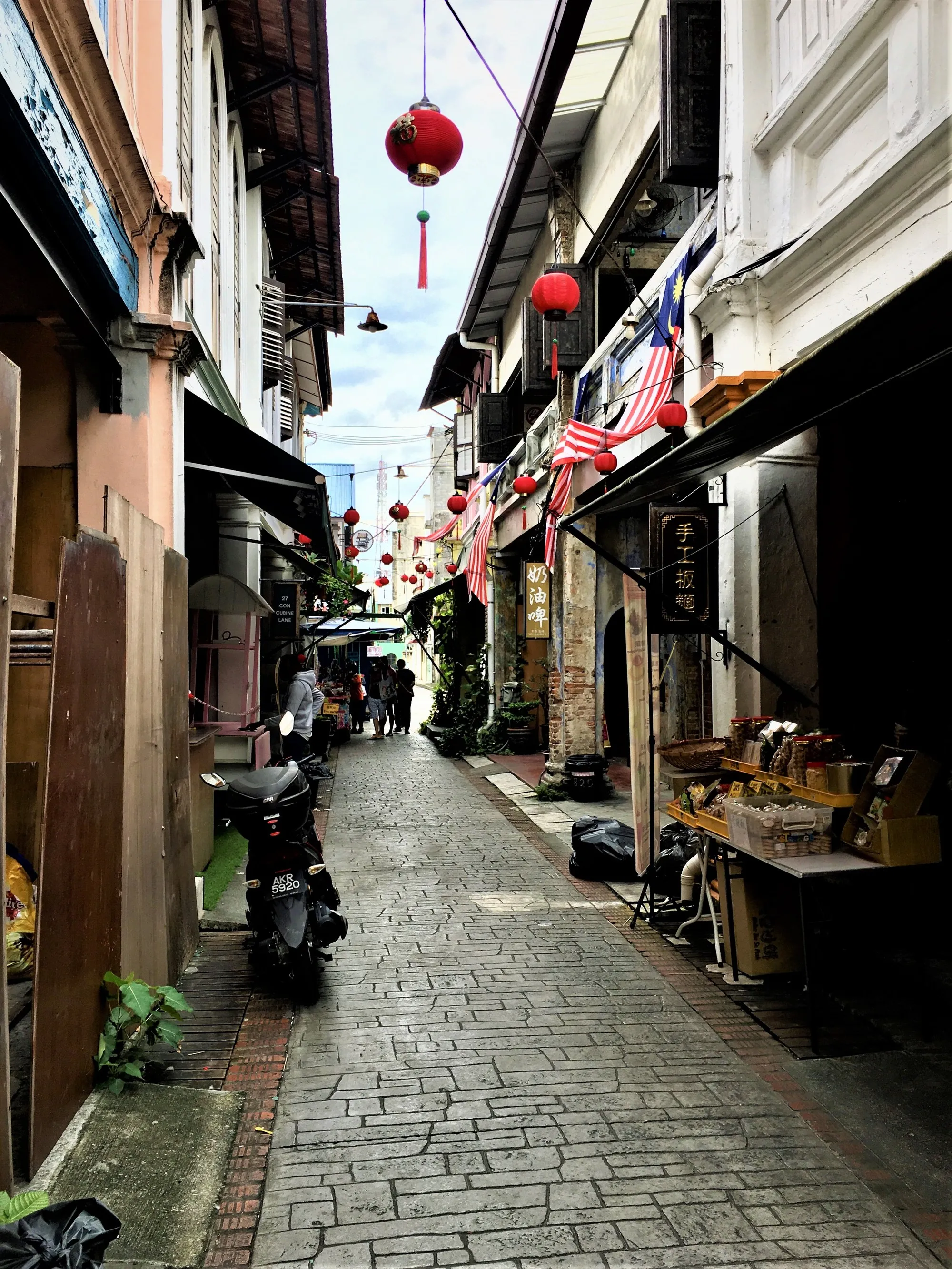
- Heritage & Roots Concubine Lane (Lorong Panglima)
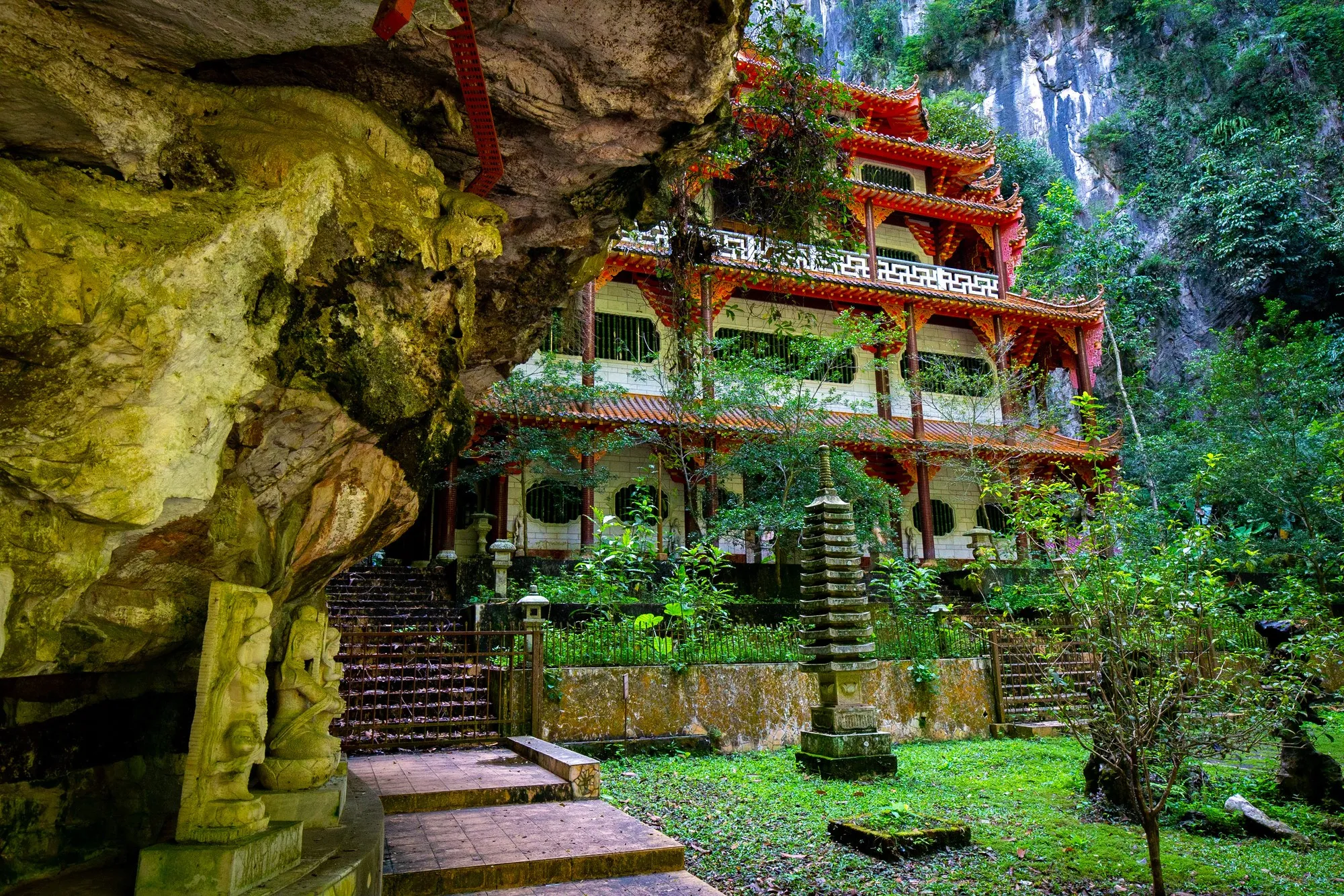
- Religious & Sacred Sam Poh Tong
- Gastronomy Funny Mountain (奇峰) Funny Mountain (奇峰) is a tau fu fa stall near Jalan Yau Tet Shin, Ipoh, said to have begun as a 1950s pushcart and now run by a third generation.
- Heritage & Roots Kellie's Castle
- Gastronomy Nam Heong
- Religious & Sacred Perak Tong
- Gastronomy Kampung Kacang Putih, Buntong
- Religious & Sacred Kek Lok Tong
- Arts & Creative Ipoh Mural Art Lane
- Religious & Sacred Panglima Kinta Mosque
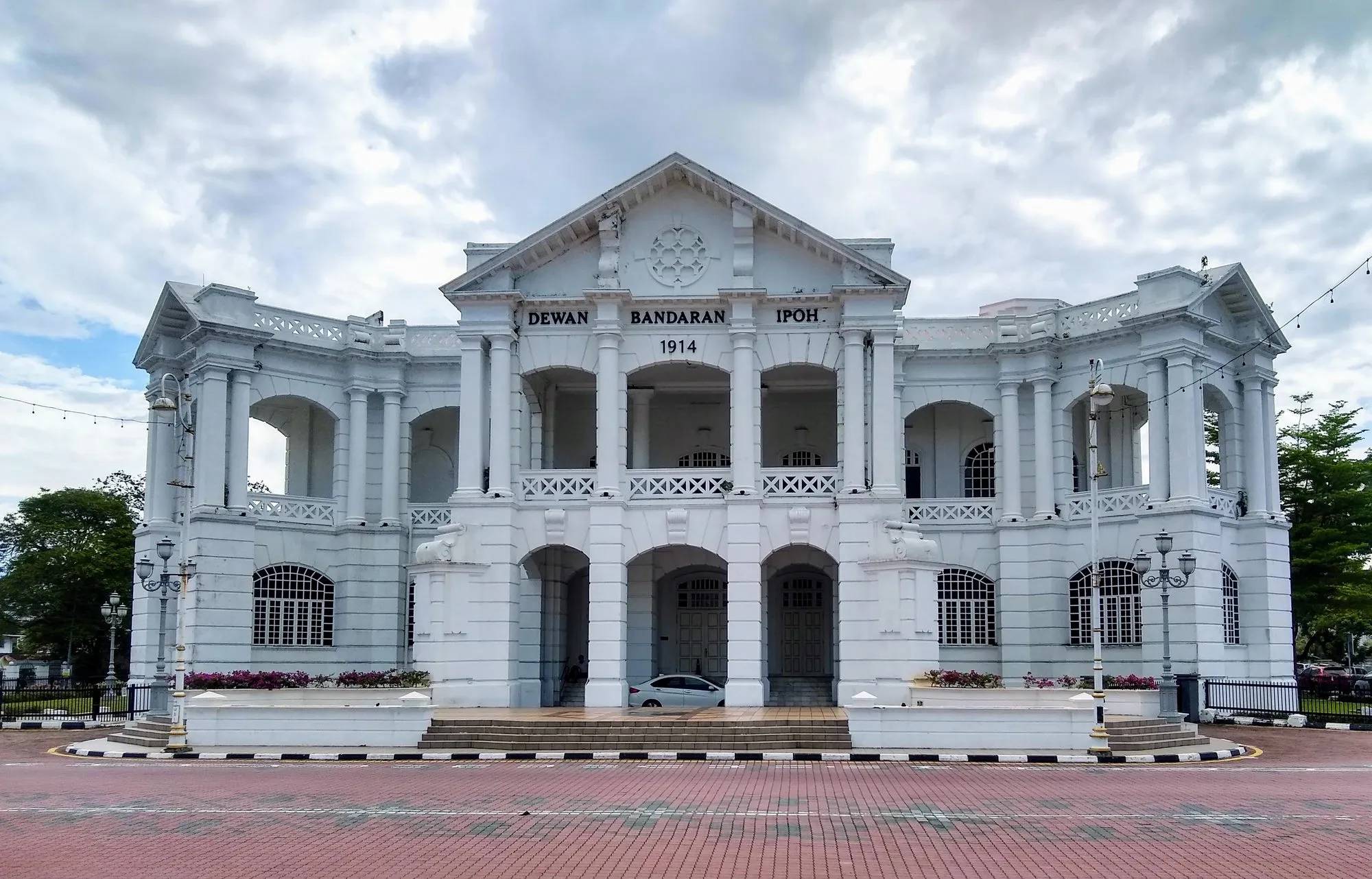
- Heritage & Roots Ipoh Town Hall
- Religious & Sacred Nam Thean Tong
- Religious & Sacred Kwong Fook Ngam
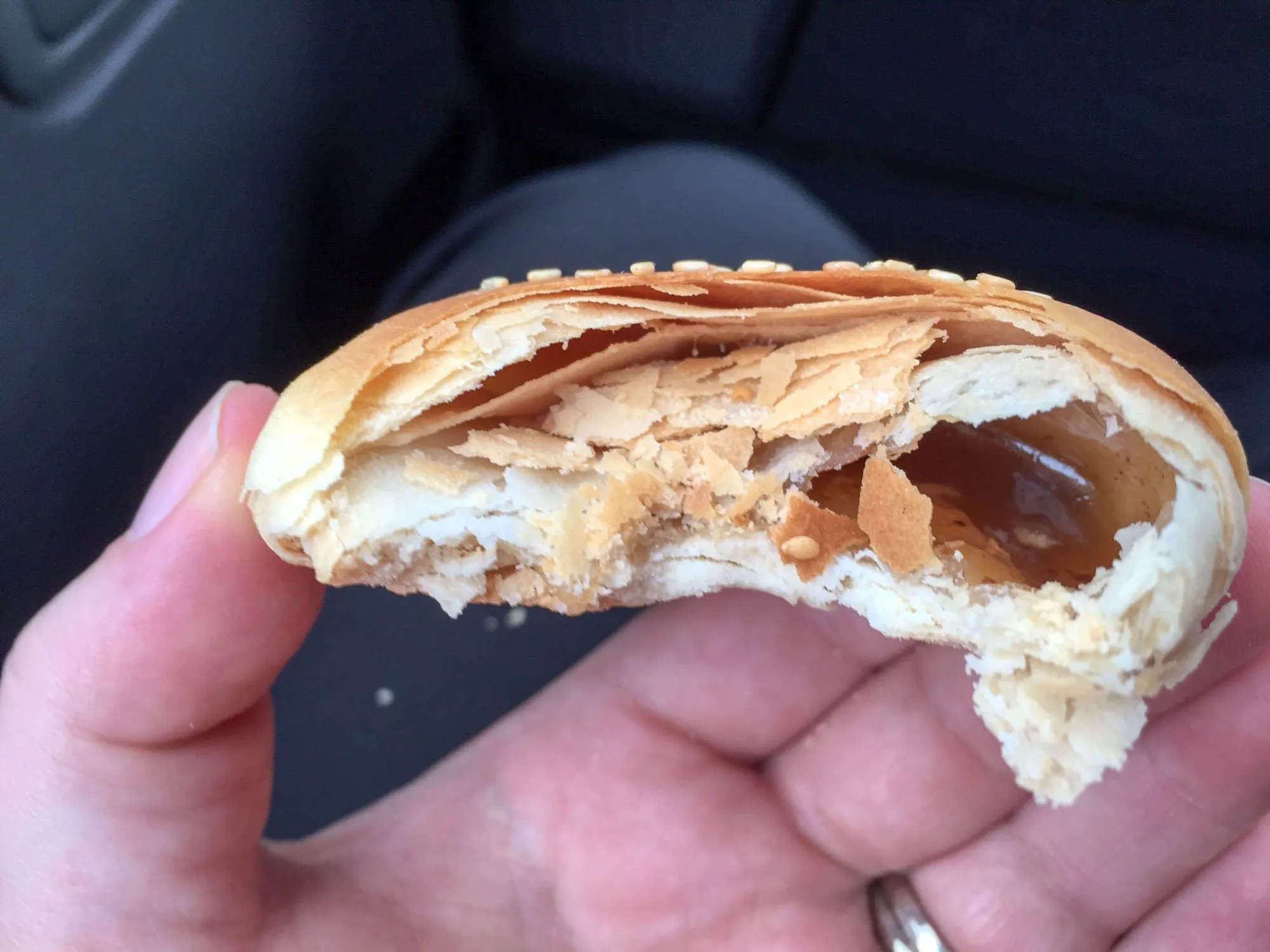
- Gastronomy Heong peng bakers, Gunung Rapat
Download the Aevum app to see all places
The full map of Ipoh, with the story behind every place, is in the app. The app is coming soon.
Download the Aevum app (coming soon)